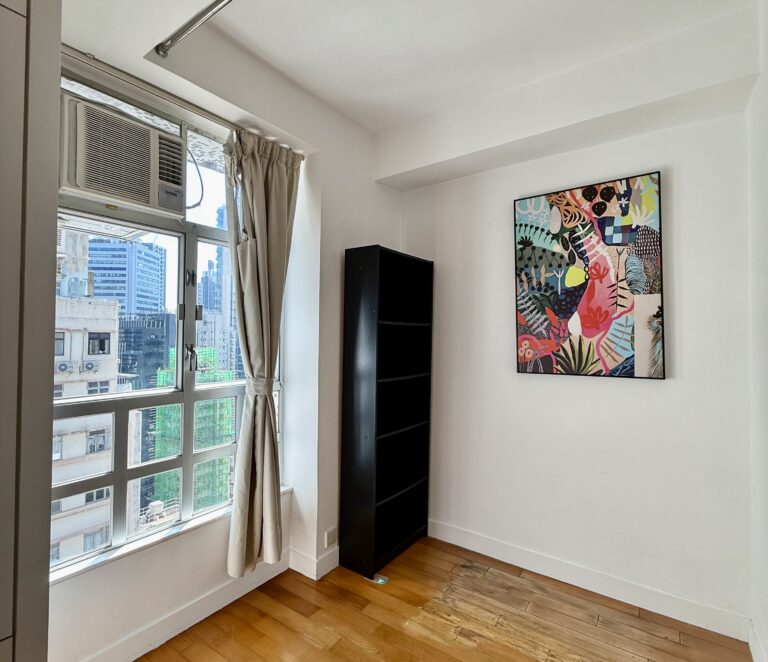

Buying Old Building Versus New Properties
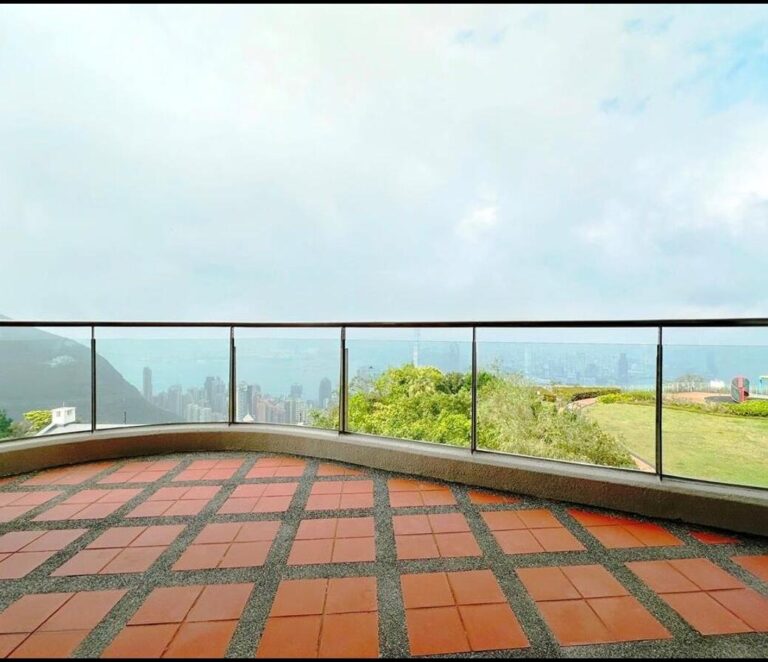
A harbor-view apartment in an established Mid-Levels building can offer generous proportions, mature surroundings, and an address that is hard to replicate. A newer development may bring a polished clubhouse, modern security systems, and less immediate repair uncertainty. When weighing buying old building versus new property, the better choice is rarely determined by age alone. It comes down to how you plan to live, what you can comfortably maintain, and what the building itself can support over time.
For buyers in Hong Kong, this decision deserves closer attention than a showroom visit or a quick comparison of asking prices. Two homes with the same bedroom count can deliver very different daily experiences, ownership costs, and resale prospects.
Buying Old Building Versus New: Start With Location
Older residential buildings often occupy locations that newer projects cannot easily access. They may sit on quieter streets near established transport links, schools, restaurants, waterfront promenades, or business districts. On Hong Kong Island, an older building in a favored neighborhood may offer an especially practical commute and a stronger sense of local character than a newer project farther from daily conveniences.
This location advantage can be meaningful for both owner-occupiers and investors. A well-connected address with limited supply may remain attractive even when the apartment itself needs renovation. Older properties can also offer larger rooms, more usable layouts, higher ceilings, or fewer units per floor than many recent developments.
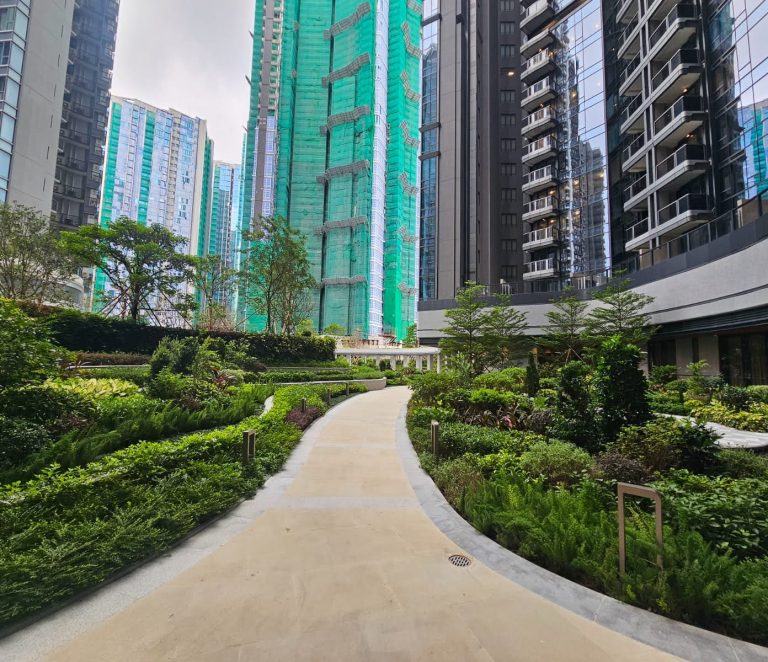
New properties have location strengths of their own. A major redevelopment area may provide upgraded streetscapes, newer retail options, and direct access to transportation infrastructure. For a buyer who values a fresh environment and wants amenities within the development, the convenience can justify a smaller internal layout or a less central setting.
The practical question is not simply whether the neighborhood is desirable. Consider how the location works on an ordinary Tuesday: the walk to transportation, grocery shopping, school drop-offs, building access in wet weather, and traffic at peak hours. A property should support the routine you actually have, not only the lifestyle presented in a brochure.
What an Older Building Can Offer
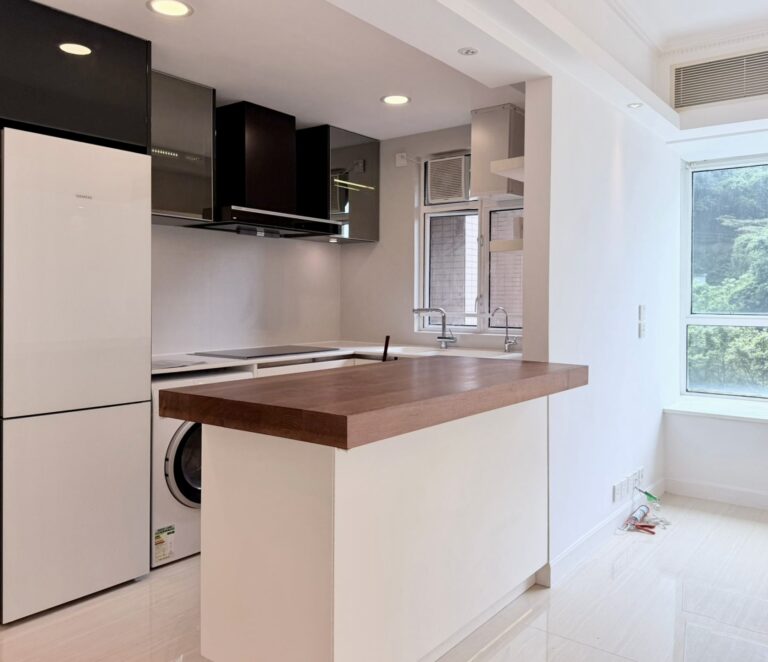
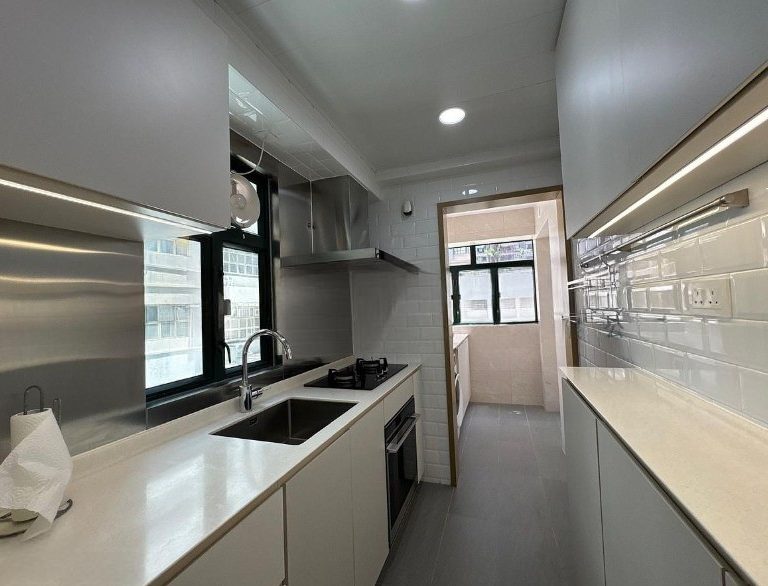
An older building is not automatically a compromise. Many have qualities that remain highly desirable: established communities, solid room proportions, balconies, views protected by the street pattern, and renovation potential. If you enjoy tailoring a home around your own requirements, an older apartment can provide more freedom to improve finishes, storage, kitchen design, and layout, subject to the building’s rules and professional advice.
The financial opportunity may also be appealing. A buyer may pay less for finishes that no longer suit current preferences, then invest selectively in renovations that improve comfort and market appeal. This approach works best when the purchase price, renovation budget, and likely future value are considered together. A low initial price can lose its appeal quickly if major building works or extensive internal repairs are overlooked.
Older buildings also require more careful due diligence. The condition of common areas matters as much as the apartment. Look beyond a freshly painted lobby and ask about the roof, exterior walls, plumbing, electrical systems, lifts, drainage, fire safety equipment, and water pressure. Review the owners’ corporation or management records where available, including meeting minutes, maintenance plans, reserve funds, and discussions of upcoming capital works.
A well-managed older building with a realistic maintenance plan can be a sound long-term home. A poorly managed building can create uncertainty even if the apartment is beautifully renovated.
Maintenance Costs Are About Timing, Not Just Amount
Newer buildings can have higher monthly management fees because of clubhouses, pools, gyms, shuttle services, and larger service teams. Older buildings may have simpler facilities and lower routine fees, but they can face occasional large expenses for repairs, upgrades, or statutory works.
Neither profile is automatically better. The key is to understand what costs are likely, when they may arise, and whether the building has sufficient reserves. Buyers should also account for their own renovation and replacement needs. Older air-conditioning units, windows, appliances, pipes, and waterproofing can all affect the first few years of ownership.
Why New Properties Appeal to Many Buyers
A new property can reduce the number of immediate decisions. The finishes are current, systems are unused, and the development is typically designed around present-day buyer expectations. Smart access controls, package handling, coworking areas, children’s spaces, fitness facilities, and professional on-site management can make daily life easier for busy professionals and families.
For buyers relocating to Hong Kong, the predictability of a newer home can be particularly reassuring. There may be less appetite for coordinating a major renovation while adapting to a new city, managing school transitions, or starting a demanding role. A move-in-ready property lets the household settle faster.
Newer buildings can also be easier to position in the rental market when they offer features that corporate tenants and expatriates commonly request, such as modern kitchens, reliable building management, a clubhouse, and efficient security. That said, rental demand still depends heavily on district, layout, condition, and asking rent. A newer building does not eliminate the need for accurate pricing and attentive property management.
There are trade-offs. New apartments can command a premium for their condition and facilities, while their usable space may feel tighter than the floor plan suggests. View corridors can change as neighboring sites develop. Buyers should assess the actual apartment, its exposure, noise level, lift arrangement, and storage rather than relying only on a model unit or marketing materials.
Compare Usable Space, Not Just the Bedroom Count
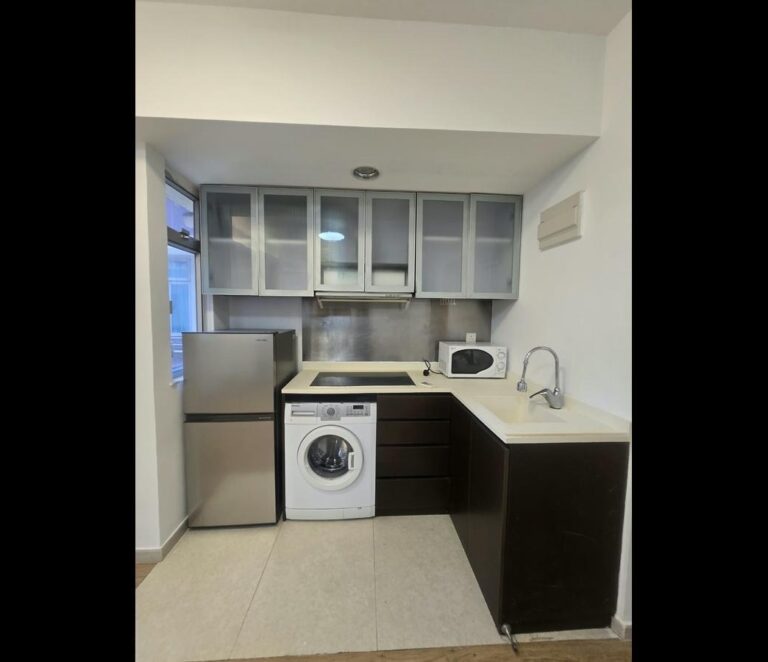
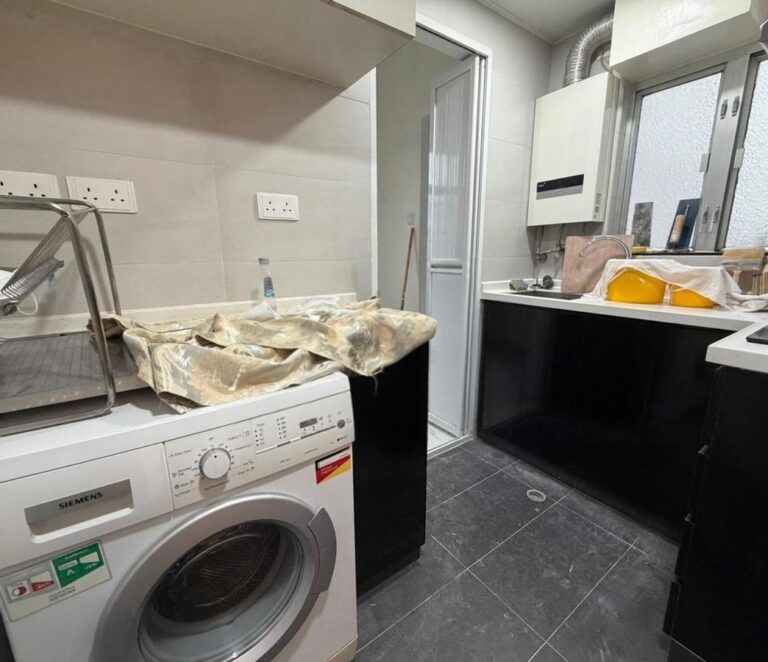
The most expensive mistake is choosing based on labels. “Three bedrooms” can mean three genuinely functional rooms in one property and two bedrooms plus a compact study in another. An older apartment may have a separate utility area, deeper storage, or a larger dining space. A new unit may use a more efficient layout but have less flexibility for a growing family, live-in help, or work-from-home needs.
During viewings, bring practical measurements: the width of your bed, sofa, dining table, desk, and stroller if relevant. Check where luggage, sports equipment, seasonal items, and household supplies will go. Open cabinets, stand in the shower, and notice where doors meet one another. These details reveal whether a home will remain comfortable after the first month.
For investors, focus on the tenant profile most likely to rent the unit. A compact new one-bedroom may suit a single professional, while a larger older two-bedroom can appeal to couples, small families, or sharers. The best rental proposition is not always the newest building. It is the property that serves a clear and durable demand in its district.
Financing, Valuation, and Resale Considerations
Before committing, speak with a mortgage professional about the property rather than assuming eligibility based solely on your personal income. Lenders may assess older buildings differently, particularly where remaining lease terms, building condition, valuation, or redevelopment factors are involved. A strong pre-approval is helpful, but a property-specific valuation can still affect the final loan amount.
Resale should be considered without letting it dictate every decision. New properties may attract buyers seeking convenience and modern facilities, while established buildings can draw those who prioritize location, size, and character. The properties that tend to remain marketable are those with a sensible layout, good light, practical access, competent management, and an address that suits a defined buyer group.
Be careful with the idea that new always means lower risk or old always means better value. A new project can be priced aggressively at launch, and an old building can carry hidden future expenses. Conversely, an older property bought well and renovated thoughtfully may outperform expectations, while a new apartment in a highly competitive development may face many similar resale listings.
A Viewing Checklist for Both Types of Property
Whether the building is five years old or fifty, investigate the fundamentals. Confirm the actual view and orientation at different times of day, listen for road or construction noise, inspect signs of water damage, and ask how the building handles repairs and resident communication. Understand the monthly management fee, any planned works, and the rules that may affect renovations, pets, parking, or leasing.
For an older apartment, arrange a qualified inspection when appropriate and budget for contingencies. For a newer apartment, inspect the handover condition carefully and clarify what is included with the sale. Built-in appliances, warranties, parking rights, and storage arrangements can materially change the value of the offer.
Choose the Home That Fits Your Next Chapter
Buying an older building can reward buyers who value space, location, and the ability to create a home with personality. Buying new can suit those who want immediate convenience, contemporary amenities, and fewer early maintenance decisions. Both can be excellent choices when the building, unit, financing, and ownership costs have been properly examined.
The right property should make sense after the excitement of the viewing fades. Take time to compare the complete picture, ask direct questions, and work with an agent who understands how each building performs beyond its listing photos. A home purchase is not only about the keys you receive on completion day. It is about how confidently the property supports the life, investment goals, and responsibilities that follow.