
Hong Kong Sale Process for Homeowners
A well-priced home can attract serious interest quickly, but a fast offer is only one part of a successful transaction. The Hong Kong sale process requires careful preparation, clear terms, and close coordination between your agent, solicitor, bank, and buyer. For owners, the goal is not simply to achieve a strong price. It is to reach completion with the right buyer, a realistic timetable, and no avoidable surprises.
Prepare Before Your Property Goes to Market
The best time to address questions about title, financing, and condition is before the first viewing. Buyers in Hong Kong’s residential market often move quickly once they find a suitable home, particularly for well-located properties on Hong Kong Island. If essential documents or answers are not ready, momentum can fade.
Start by reviewing your ownership documents, mortgage position, and any tenancy arrangement. If the property is tenanted, confirm the lease expiry date, notice provisions, rental deposit, and whether viewings can be arranged. A vacant home may appeal to buyers seeking immediate occupation, while an existing tenancy can be attractive to an investor. Neither option is automatically better – the right approach depends on the likely buyer and your preferred completion date.
Your agent should also understand the practical details that do not appear on a floor plan: renovation history, building management, monthly outgoings, parking arrangements, outdoor space, and any recent building works. Accurate information builds buyer confidence and helps prevent misunderstandings after an offer is accepted.
Set a Price That Supports Your Timing
Pricing is a market decision, not just a reflection of what you paid or the amount you hope to receive. A sound pricing discussion considers recent comparable transactions, current competing listings, floor level, view, condition, layout, building reputation, and buyer demand in the district.
A higher asking price can be appropriate for a genuinely scarce property, especially one with a distinctive view, private outdoor area, or strong renovation quality. However, a price that is too far ahead of the market can reduce early inquiry, which is often when a new listing receives its strongest attention. If you have already committed to another purchase or need a particular completion date, this trade-off deserves especially careful thought.
Choosing Representation and Marketing the Home
Your estate agency appointment sets the working relationship for the sale. Discuss the proposed asking price, commission, advertising plan, viewing procedures, communication frequency, and whether the appointment will be open or exclusive. An exclusive appointment can create clearer accountability and a more coordinated strategy, while an open arrangement can offer broader agent participation. The better choice depends on the property, the market, and how actively you want to manage multiple points of contact.
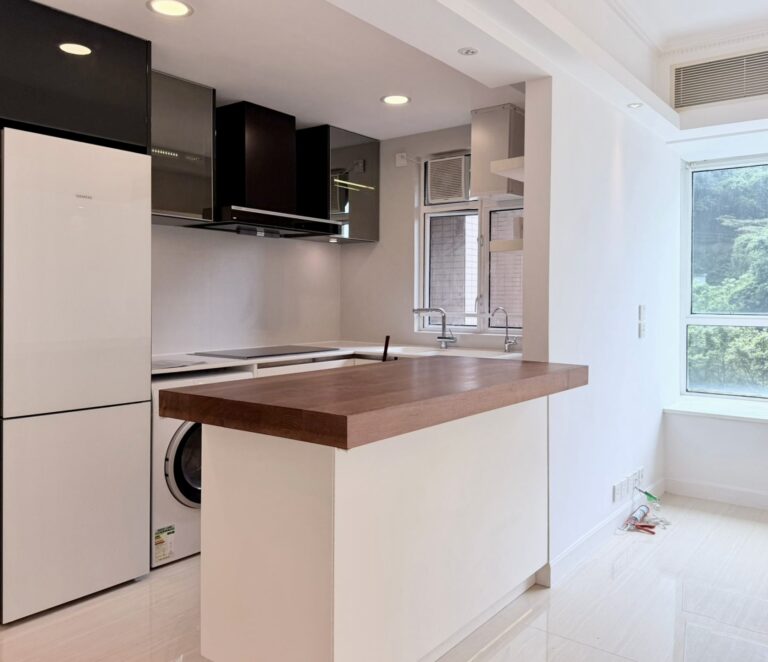
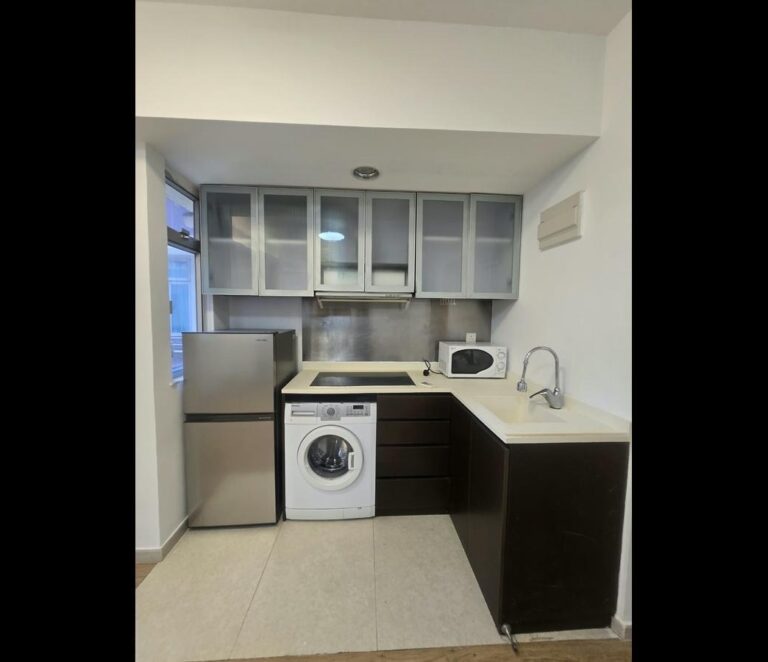
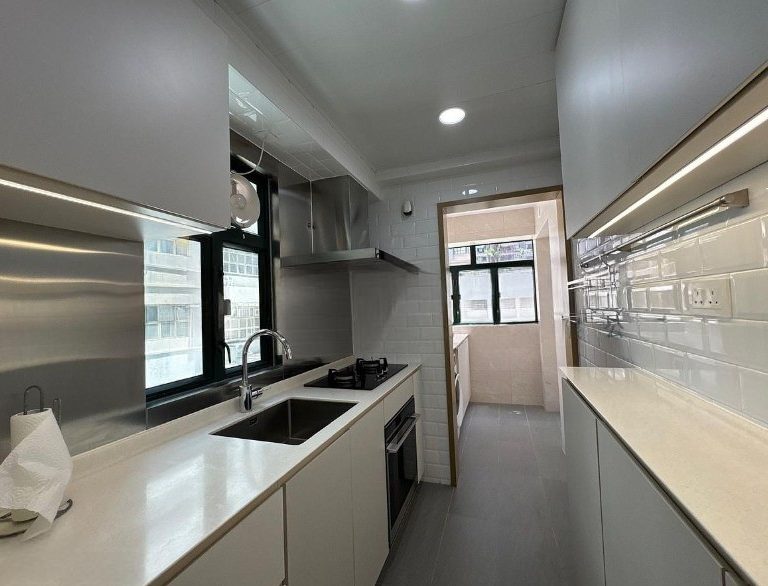
Presentation affects both viewing volume and offers. A luxury residence does not need to look staged beyond recognition, but it should feel orderly, bright, and easy to understand. Remove unnecessary personal items, repair small defects that distract from the home, and make sure lights, air conditioning, appliances, and access arrangements work properly before viewings begin.
Professional photography, accurate property facts, and targeted exposure matter more than broad but unfocused marketing. Buyers should be able to grasp the home’s key value quickly: the location, usable layout, outlook, building facilities, and lifestyle fit. For an owner who lives overseas or has limited time, an attentive agent can also coordinate access, feedback, and property presentation between appointments.
Managing Viewings and Buyer Interest
Viewings are not only an opportunity to showcase the property. They are also a chance to learn how the market is responding. Ask your agent to report more than the number of visitors. Useful feedback includes whether buyers compare the home favorably with alternatives, whether the price is the main objection, and whether concerns relate to layout, condition, noise, or expected renovation costs.
Not every interested visitor is equally ready to proceed. A credible buyer usually has a clear budget, understands the location, and can explain their financing or available cash position. For financed buyers, their ability to obtain a mortgage can affect both certainty and timing. A cash buyer may offer a simpler path to completion, but price and contractual terms still need to be weighed together.
It is reasonable to request that offers be presented clearly, including the proposed price, deposit structure, completion date, fixtures and fittings to remain, and any conditions. A slightly lower offer with a clean timetable and dependable funding may be preferable to a higher offer that depends on uncertain financing or an unusually long completion period.
The Hong Kong Sale Process After an Offer
Once you decide to accept an offer, the transaction usually moves quickly to a Provisional Agreement for Sale and Purchase. This is a binding document, so sellers should be comfortable with the core terms before signing. Your agent can guide the negotiation and coordinate the paperwork, while your solicitor protects your legal position and handles conveyancing.
The provisional agreement typically records the agreed price, parties’ names, deposit amount, date for signing the formal Agreement for Sale and Purchase, and completion date. It may also state what is included with the property, such as appliances, built-in furniture, or a parking space. Do not rely on verbal assumptions about these details. Put them in writing.
Deposit arrangements are commonly structured in stages, with an initial deposit paid on signing the provisional agreement and a further deposit paid when the formal agreement is signed. The exact amounts and dates are negotiated between the parties. Your solicitor should confirm how funds will be held and explain the consequences if either party fails to complete.
Formal Agreement, Title Review, and Mortgage Discharge
After the provisional agreement, the buyer’s solicitor reviews the title and raises legal requisitions where necessary. This process checks whether the seller can give good title and whether there are issues requiring clarification, such as missing documents, outstanding charges, or matters connected to the building.
As seller, you will need to respond promptly through your solicitor. If your property has an existing mortgage, your bank must be involved so the loan can be redeemed at completion and the mortgage released. Allow sufficient time for the bank’s redemption statement and administrative requirements. Delays often arise when sellers leave this step until the last minute.
The formal Agreement for Sale and Purchase sets out the full legal terms. It is generally signed within the period agreed in the provisional agreement. Your solicitor can advise on any special conditions, including vacant possession, tenancy handover, repair obligations, or a sale subject to a related purchase.
Tax and stamp duty rules can change, and their application depends on your ownership history and circumstances. Certain sellers may need to consider potential Seller’s Stamp Duty if the property is disposed of within the applicable holding period. Obtain current advice from your solicitor or tax adviser early, particularly for investment properties, inherited homes, corporate ownership, or homes with multiple owners.
Completion and Handover
Completion is the point at which the balance of the purchase price is paid and ownership is transferred. The seller’s solicitor receives the completion funds, settles the outstanding mortgage where applicable, and releases the necessary title documents and transfer instruments through the legal process.
Before completion, agree practical handover details. If the property is sold with vacant possession, remove personal belongings, clear out unwanted items, and ensure the home is left in the agreed condition. Take meter readings, arrange final utility accounts where needed, and provide keys, access cards, mailbox keys, parking remotes, and building management information.
If the property is sold with a tenancy, the handover should include lease documents, tenant deposit records, rental payment information, and any relevant management correspondence. Clear records protect both parties and help the buyer take over confidently.
A final inspection is often arranged shortly before completion. Small issues can become disproportionately stressful at this stage, so it is wise to confirm early that agreed fixtures remain, appliances are functioning as represented, and the property matches the contractual terms.
Keep Decisions Connected From Start to Finish
A property sale is easier to manage when pricing, marketing, legal preparation, and handover are treated as connected decisions rather than separate tasks. Homewise Realty can provide hands-on guidance for owners who want local market insight alongside attentive coordination through each stage. When the right offer arrives, having the right information and advisers already in place gives you the freedom to decide with confidence.