
Residential Investment Opportunities Hong Kong
A well-located Hong Kong apartment can look compelling on a viewing day: a harbor glimpse, a short walk to transit, and a building lobby that presents well. The investment decision begins after that first impression. Residential investment opportunities Hong Kong require buyers to weigh entry price, tenant demand, ownership costs, financing terms, and the practical work of holding a home in a fast-moving market.
For investors, the strongest purchase is rarely the property with the longest feature list. It is the home that fits a clearly defined strategy, whether that means dependable rental income, a future primary residence, a family asset, or long-term capital preservation. Getting that distinction right helps narrow the search and prevents a promising address from becoming an expensive mismatch.
What Makes Hong Kong Residential Property Different
Hong Kong is a compact, supply-constrained market where district, transport access, building quality, and layout can affect value as much as square footage. Two apartments with similar interiors may perform very differently if one is near an MTR station, established schools, office districts, or everyday amenities and the other is less convenient for the tenant pool it needs to attract.
This is also a market where buyers need to look beyond the advertised price. Acquisition expenses, stamp duties, legal costs, financing arrangements, management fees, government rent where applicable, repair obligations, and vacancy periods all belong in the investment calculation. Rules affecting buyer eligibility, taxes, lending, and tenancy can change, so investors should obtain current advice from qualified legal, tax, and financing professionals before committing.
For overseas buyers and locally based investors alike, the practical question is not simply whether a property can be rented. It is whether it can be rented at a level and on terms that support the owner’s intended holding period. A premium apartment with intermittent vacancy can be less effective than a more modest, well-connected home with consistent tenant appeal.
Residential Investment Opportunities in Hong Kong by District
District selection should begin with the likely occupant. Hong Kong Island offers distinct rental and ownership audiences, and each area carries different advantages.
Central and Western: Convenience for Professionals
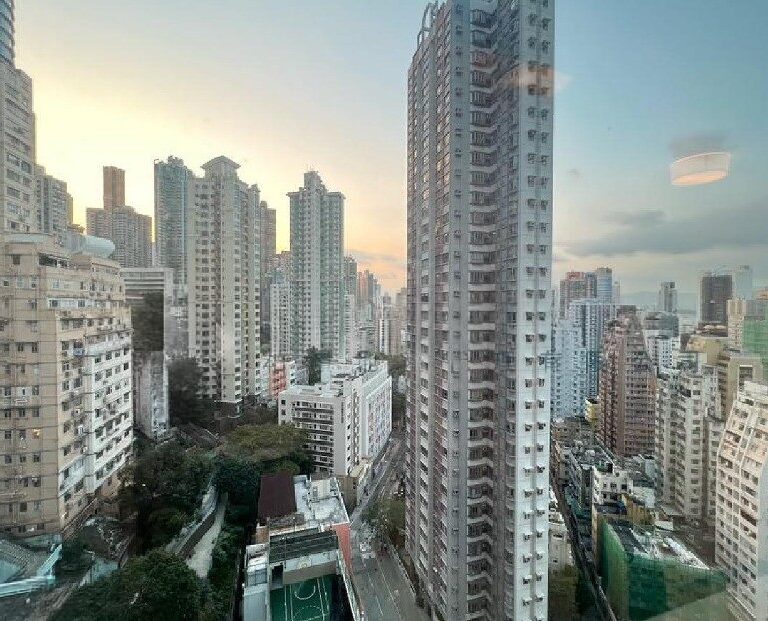
Central and Western District appeal to professionals who value proximity to offices, dining, transport, and established urban neighborhoods. Apartments in areas such as Mid-Levels, Sai Ying Pun, Sheung Wan, and Kennedy Town can attract executives, couples, and expatriate tenants, depending on size, building age, and access.
The trade-off is that buyers often pay for convenience and limited supply. A property here should be assessed carefully for usable layout, lift access, building upkeep, renovation needs, and noise exposure. A compact apartment with excellent transportation and a functional floor plan may have broader rental appeal than a larger unit in a less convenient micro-location.
Eastern District: Practicality and Connectivity
The Eastern District can offer a different value proposition. Areas including North Point, Quarry Bay, Shau Kei Wan, and Chai Wan appeal to tenants seeking access to business hubs, transportation, neighborhood amenities, and comparatively practical living arrangements. Quarry Bay, in particular, can benefit from demand tied to nearby commercial activity.
Investors should avoid treating an entire district as one market. Building age, estate reputation, views, school access, and walking distance to transit can materially change both rent expectations and resale liquidity. Comparing recent transactions and available competing rentals within the immediate neighborhood is more useful than relying on a broad district average.
Southern District: Space, Privacy, and Lifestyle
Southern District serves a more lifestyle-oriented segment. Repulse Bay, Deep Water Bay, Pok Fu Lam, and other southern locations can appeal to families and senior professionals who prioritize space, privacy, outdoor access, and international school proximity. Larger homes and low-density developments may suit longer-term occupants, particularly when the property offers parking, staff quarters, or family-friendly layouts.
That appeal comes with a narrower tenant pool and, in some locations, a greater reliance on private transport. A Southern District investment may be well suited to an owner willing to hold through longer leasing cycles, but it requires realistic vacancy assumptions and a clear understanding of who will rent the home.
Start With Income, Not an Asking Price
Rental yield is useful, but it should not be treated as a standalone answer. Gross yield compares annual rent with the purchase price. Net yield is more revealing because it accounts for recurring ownership costs and likely periods without rental income. The latter is closer to the return an investor can actually use for planning.
Before making an offer, build a conservative cash-flow model using a reasonable rent range rather than the highest current asking rent. Include management fees, rates, maintenance allowances, leasing fees, insurance, mortgage payments where relevant, and a vacancy reserve. If the investment only works under a best-case rent and uninterrupted occupancy, the margin is too thin.
Lease structure matters as well. A longer tenancy may provide income stability, while a shorter arrangement can create flexibility but more frequent turnover costs. The right balance depends on the target tenant, the owner’s plans for the property, and current market conditions.
Due Diligence That Protects the Investment
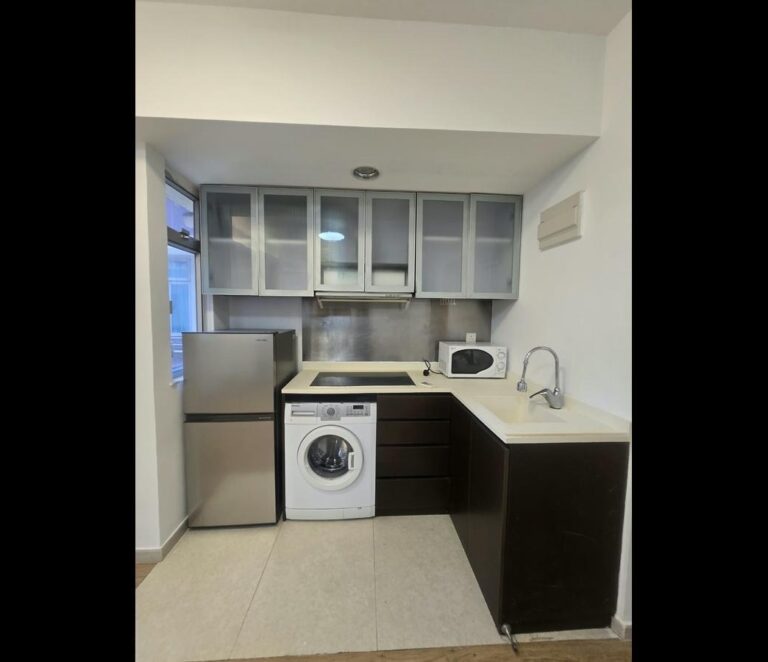
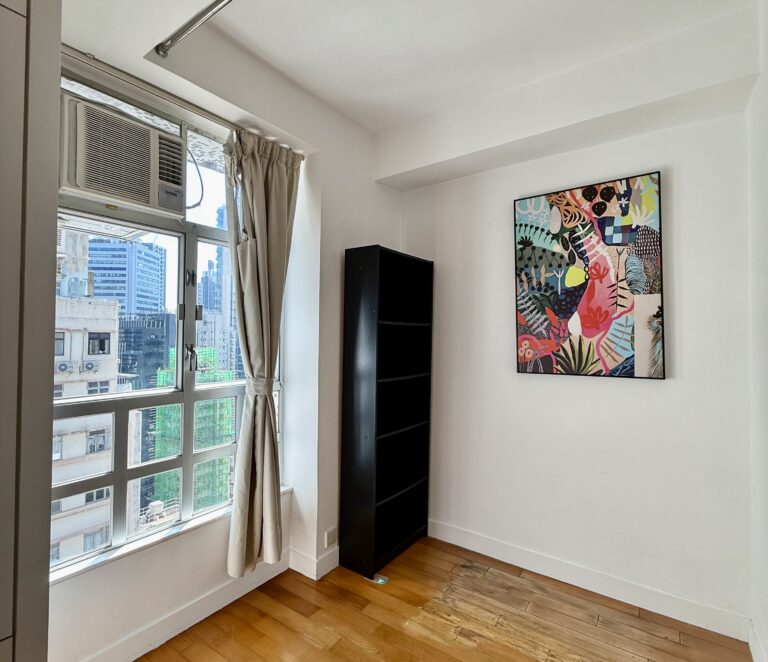
A polished renovation should never replace property due diligence. Review the condition of air-conditioning systems, plumbing, windows, appliances, waterproofing, and any alterations. In older buildings, upcoming capital works or major repair programs can affect future expenses. In newer developments, buyers should still consider management standards, common-area maintenance, and the number of comparable units likely to compete for tenants.
The legal review should confirm title, permitted use, occupancy matters, and any encumbrances or restrictions. Investors should also understand the building’s deed of mutual covenant and house rules, particularly where leasing, pets, renovation work, or parking are relevant to the intended tenant profile.
Financing deserves the same care. Loan availability and terms vary according to buyer circumstances, property type, valuation, income profile, and prevailing policy. Allow room for changes in interest costs rather than treating an initial mortgage payment as fixed for the entire investment period.
Property Management Is Part of the Return
An investment home needs attention after completion. Tenant screening, lease administration, handover documentation, rent collection, maintenance coordination, renewal discussions, and move-out inspections all influence the owner’s experience and the condition of the asset.
Professional property management is especially valuable for owners who live overseas, travel frequently, or hold a property as a long-term investment rather than a hands-on rental business. Responsive maintenance protects tenant relationships, while clear records and periodic inspections can identify small issues before they become costly repairs.
For landlords, the goal is not simply to fill a vacancy quickly. It is to place a suitable tenant at a sustainable rent, keep the home properly maintained, and preserve the property’s position when it is time to renew, sell, or move back in. Homewise Realty Ltd approaches this work with the local coordination and follow-through that a high-value residential asset requires.
Choose a Strategy You Can Hold Through Change
Residential markets move in cycles, and an investor cannot control every interest-rate shift, policy update, or change in tenant sentiment. What can be controlled is the quality of the purchase decision: buy a home with a clear audience, realistic carrying costs, sound building fundamentals, and a location that remains useful beyond a single market moment.
The right property should make sense on an ordinary weekday, not only during a strong market. When the layout works, the location supports daily life, and the ownership plan allows for real-world costs, an investment has a stronger foundation for the years ahead.