
How to Market Luxury Apartment Listings in Hong Kong
A luxury apartment can have an exceptional view, a respected address, and carefully finished interiors, yet still sit without the right inquiries. Knowing how to market luxury apartment listings means presenting more than square footage and amenities. It means giving qualified buyers or tenants a clear reason to picture their life in that particular home.
In Hong Kong’s premium residential market, people are comparing more than properties. They are comparing privacy, convenience, building standards, commute patterns, school access, lifestyle, and the confidence they feel in the transaction. A successful campaign brings those considerations together with accurate information and timely, attentive service.
How to Market Luxury Apartment Listings Starts With Positioning
Luxury is not a single buyer profile. A couple moving from overseas may prioritize a managed building, practical storage, and a straightforward commute to Central. A family may focus on bedroom layout, school routes, clubhouse facilities, and whether the home works for everyday routines. An investor may be more interested in tenant appeal, building reputation, and the property’s long-term position within the district.
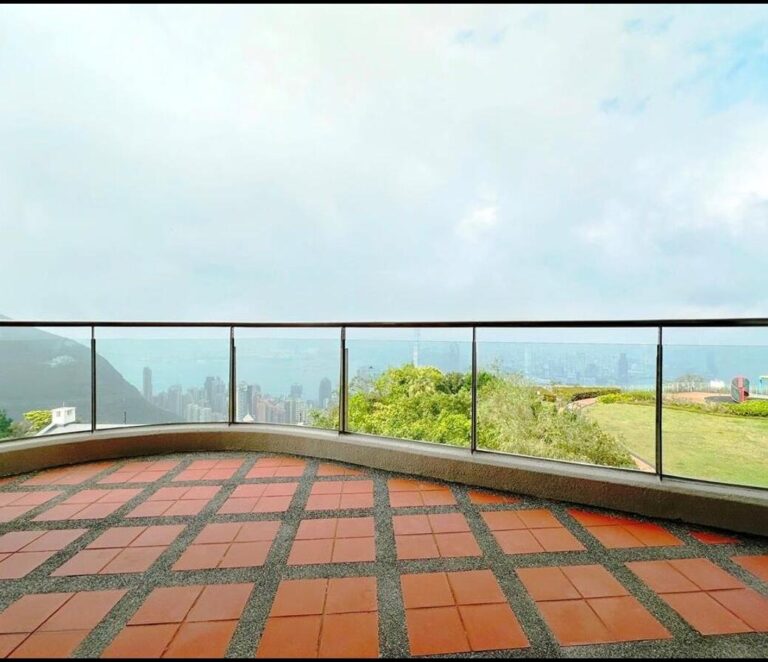
Before photography is booked or an advertisement is written, define the apartment’s strongest market position. Consider what is genuinely difficult to replicate: a harbor outlook, a quiet floor plan in a busy neighborhood, an unusually large terrace, a renovated kitchen, a prestigious building, or a location within easy reach of business districts and transport. The goal is not to call every feature exclusive. It is to identify the details that make this residence preferable to realistic alternatives.
Price must support that position. An aspirational asking price can be reasonable when an apartment has distinctive advantages and the market supports them. But pricing well above comparable homes without a persuasive difference often reduces early interest, which is when a new listing attracts the most attention. Review recent transactions, competing available homes, condition, floor level, view, layout efficiency, and lease or sale terms before setting expectations.
For owners, this is where local advice matters most. Districts can behave differently even when they are close together. Demand for a family-sized home in the Southern District may not follow the same pattern as demand for a compact executive apartment in Central or the Eastern District.
Create a Presentation That Earns a Viewing
At the luxury level, listing presentation is a filter. It should encourage serious prospects to inquire while helping unsuitable prospects understand the apartment’s value before taking up the owner’s time.
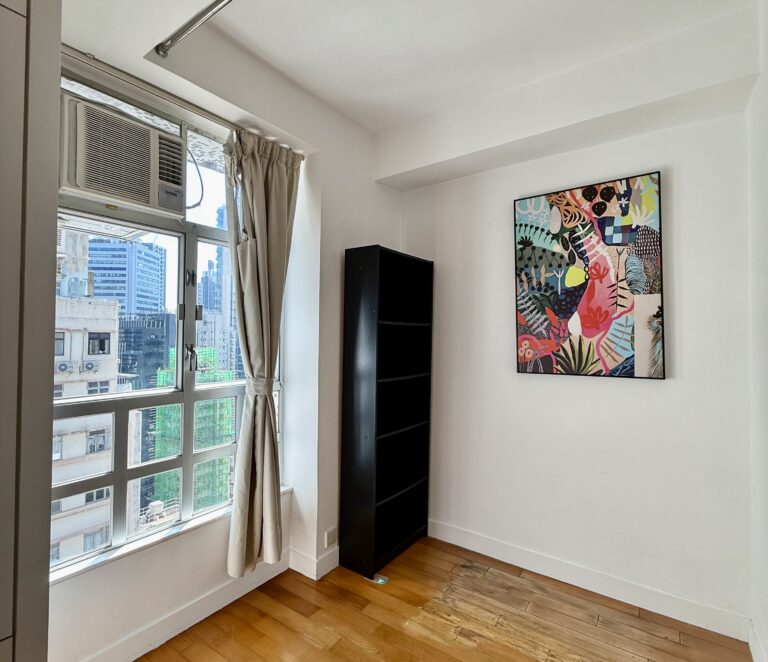
Begin with preparation. Clear personal items, reduce visual clutter, repair small defects, and make sure lighting, curtains, appliances, and air conditioning are functioning for photography and viewings. This does not always require a full staging project. A well-maintained owner-occupied residence may need only thoughtful editing, while an empty or dated unit may benefit from furniture rental, fresh paint, or modest styling. The right choice depends on the asking price, target audience, and condition of competing stock.
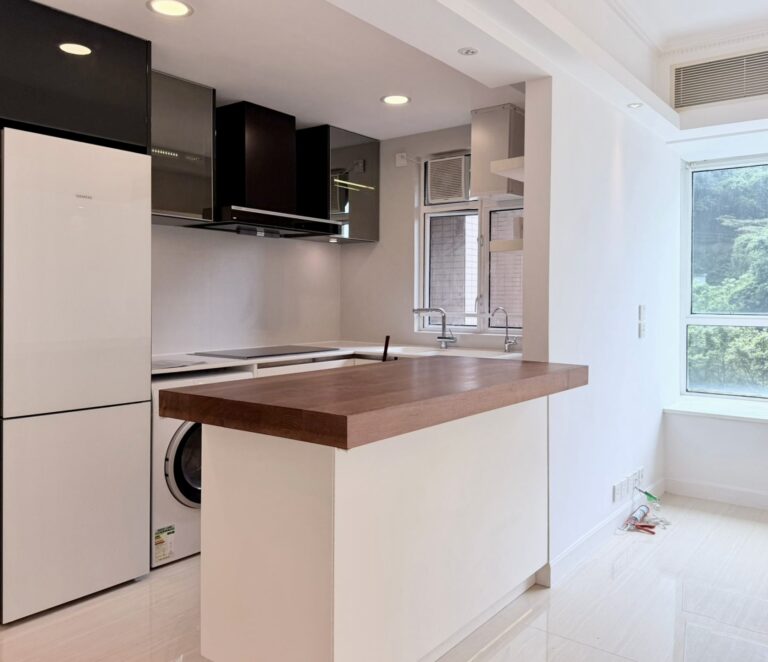
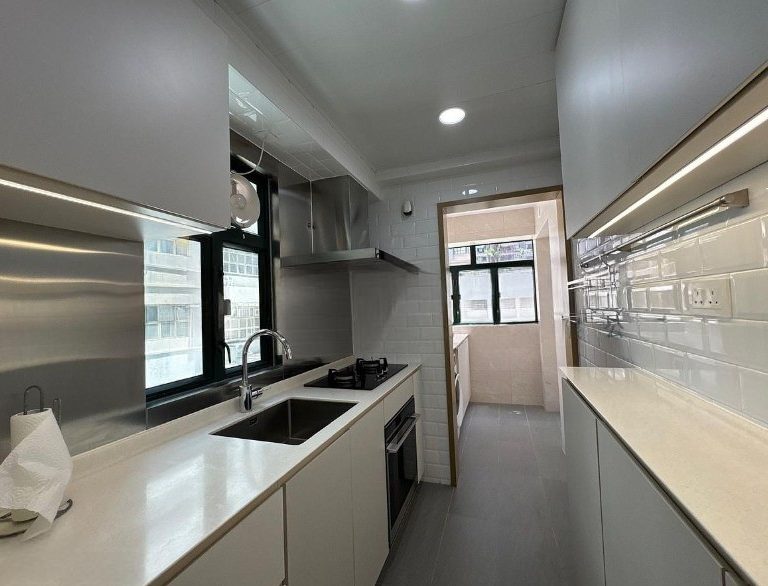
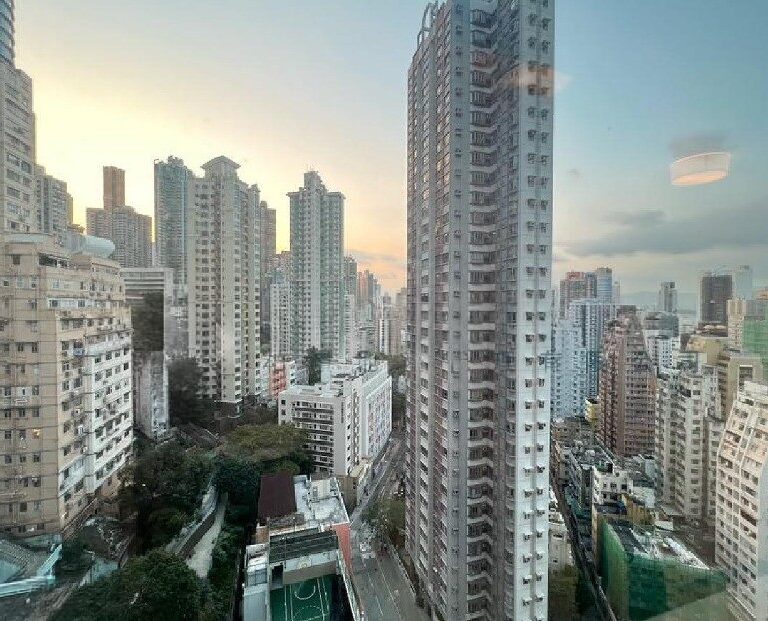
Professional photography should show the home as it feels, not just as it measures. Wide shots are useful for establishing room proportions, but details also matter: quality cabinetry, natural materials, ceiling height, built-in storage, and the outlook from the living area and principal bedroom. Twilight images can strengthen a view-focused property, while a bright daytime approach may better suit a family home with open interiors.
A floor plan is essential where available. It answers practical questions that photos cannot: bedroom separation, bathroom access, utility spaces, and whether a living-dining room can accommodate real furniture. For premium apartments, a short, polished video or guided virtual tour can further help overseas clients and busy executives decide whether an in-person viewing is worthwhile.
The written description should be factual, specific, and restrained. Rather than relying on broad claims about luxury, describe what the resident receives: a three-bedroom layout with an enclosed kitchen, a private roof terrace, a renovated bathroom, a residents’ gym, or a quiet setting near daily conveniences. Confirm which features are included and distinguish clearly between furnished, partially furnished, and unfurnished terms. Trust is built when the online listing matches the apartment a client sees.
Reach the Right Audience, Not Every Audience
A premium listing needs visibility, but wide exposure alone does not create the best result. The strongest marketing combines a complete listing presence with direct outreach to people whose requirements match the property.
For a high-value rental, this may include corporate housing contacts, relocation needs, and existing tenants whose leases are approaching renewal. For a sale, it may include qualified local buyers, investors looking for a specific building or neighborhood, and clients already searching within a defined budget. An experienced agent’s active client relationships can be as valuable as the public listing itself.
Use the apartment’s likely resident to guide the message. A residence with generous entertaining space and a landmark view should be marketed differently from a pet-friendly family home with practical bedroom proportions. Both may be premium homes, but their most compelling stories are not the same.
This also affects viewing strategy. Some luxury clients prefer discreet private appointments, while others are comfortable with scheduled viewing windows. A vacant apartment can accommodate more flexibility. An occupied home may require fewer, better-qualified appointments and clear notice procedures. Protecting the owner’s privacy and the resident’s routine is part of good representation.
Make Every Inquiry Part of the Sales Process
Marketing does not end when a prospect submits an inquiry. Slow replies, vague answers, or an unprepared viewing can weaken the impression created by excellent photographs. Respond promptly with the key information a serious client needs, including availability, size, asking terms, furnishing status, parking or storage where relevant, and building facilities.
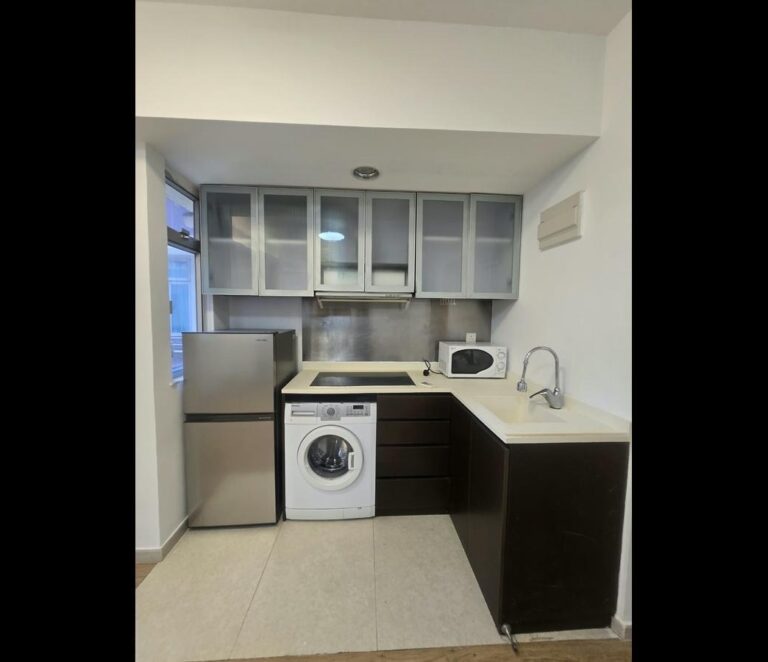
Agents should be ready to explain the apartment’s practical strengths without overselling. If the unit has a compact kitchen but an outstanding location, address the trade-off honestly and bring the conversation back to the buyer or tenant’s priorities. If a view is partly affected by nearby construction, provide accurate context. Clear communication may occasionally rule out a prospect, but it protects the transaction and strengthens confidence with qualified clients.
A viewing should feel organized rather than scripted. Arrive early, ensure the apartment is comfortable and well lit, and know the building access process. Walk clients through the layout in a natural order, then allow them time to take in the space. For owner-occupied homes, the best showing experience is often calm, tidy, and minimally intrusive.
After each viewing, seek useful feedback. Comments about price, layout, furnishing, or building perception can reveal whether a listing needs a change in positioning, presentation, or terms. Not every objection calls for a price reduction. Sometimes better photos, a clearer floor plan, or a more precise description resolves uncertainty. If feedback consistently points to value, however, owners should be prepared to reconsider their strategy while the listing remains competitive.
Adjust the Strategy for Leasing and Sales
The fundamentals are similar, but leasing and sales require different emphasis. Rental prospects often make decisions quickly and want clarity on move-in timing, furniture, maintenance responsibilities, and lease conditions. Fast follow-up and a smooth application process can be decisive.
Buyers usually need more time to compare alternatives and consider financing, transaction costs, building history, and future flexibility. The marketing material should support that deeper evaluation with reliable facts and responsive guidance. For investors, it may also be helpful to discuss the kind of tenant profile the apartment can attract, without making unsupported promises about returns or occupancy.
Property management can add meaningful value after a lease is signed. Owners who offer a well-maintained apartment, clear handover standards, and reliable support are better positioned to preserve the home’s appeal for future tenants as well. Homewise Realty approaches this as an ongoing relationship, not simply a listing that ends when paperwork is complete.
Let the Property Experience Match the Promise
The best luxury apartment marketing is precise, not loud. It combines a credible price, a clear property story, polished materials, qualified outreach, and professional follow-through from first inquiry to handover.
For an owner, the practical question is not whether the apartment is impressive. It is whether every part of the marketing process helps the right client understand why it is the right home. When the answer is yes, attention becomes stronger inquiries, and stronger inquiries create better opportunities to lease or sell with confidence.