
Central District Homes: What Buyers Should Know
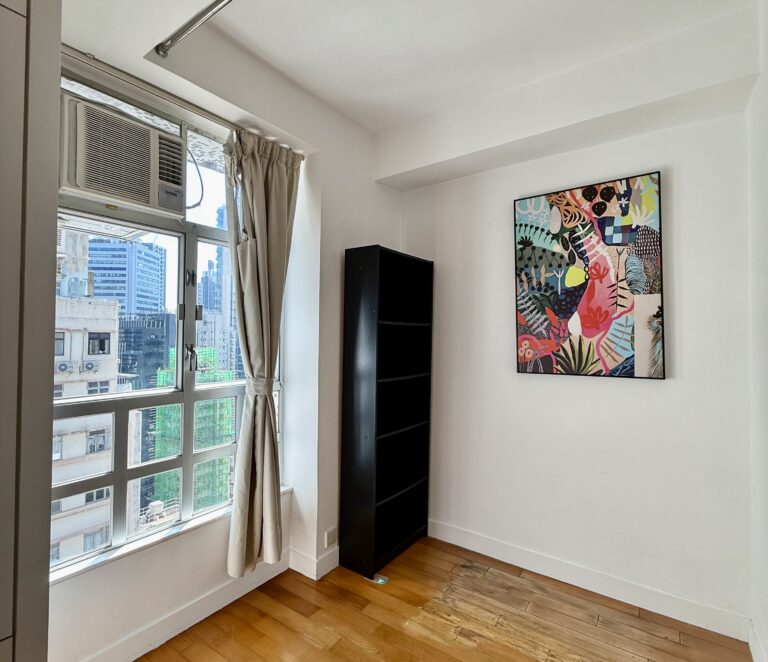
A two-bedroom with skyline views can look perfect at first glance. Then you notice the building age, the lobby condition, the street noise after dark, or the walk back from the MTR on a humid evening. That is why central district homes need to be assessed on more than address alone.
For buyers, renters, and landlords, this part of the market is attractive for good reason. Location, access, and prestige all carry real value. At the same time, pricing is less forgiving, layouts can be unusual, and building differences matter more here than they do in many other neighborhoods. A smart decision starts with understanding how these homes perform in daily life, not just on a listing sheet.
Why central district homes stay in demand
Central remains one of the most practical and recognizable residential locations for professionals, executives, and international tenants. For many residents, the appeal is simple: shorter commutes, easy access to offices, established dining and retail, and strong connections to nearby districts.
That demand supports both owner-occupiers and investors, but not always in the same way. A buyer planning to live in the property may accept a premium for convenience and personal lifestyle fit. An investor may focus more closely on tenant profile, building upkeep, and rental resilience. The right purchase depends on which outcome matters most.
Homes in this market also tend to attract tenants who value time as much as space. That creates dependable interest, especially for well-maintained apartments with practical layouts. Still, demand alone does not make every unit a strong asset. Floor plan efficiency, natural light, and building management can affect long-term performance just as much as the postal address.
What really defines value in this market
Price per square foot gets attention, but it rarely tells the full story. In central district homes, value is shaped by a combination of location within the district, building quality, floor level, view, renovation standard, and the day-to-day livability of the unit.
A smaller apartment with an efficient layout may outperform a larger one with awkward room proportions. A unit on a quieter street can feel more desirable than a better-known address with constant traffic or nightlife noise. In the same building, two apartments with similar size can command different interest levels if one has updated bathrooms, stronger natural light, or a more open living area.
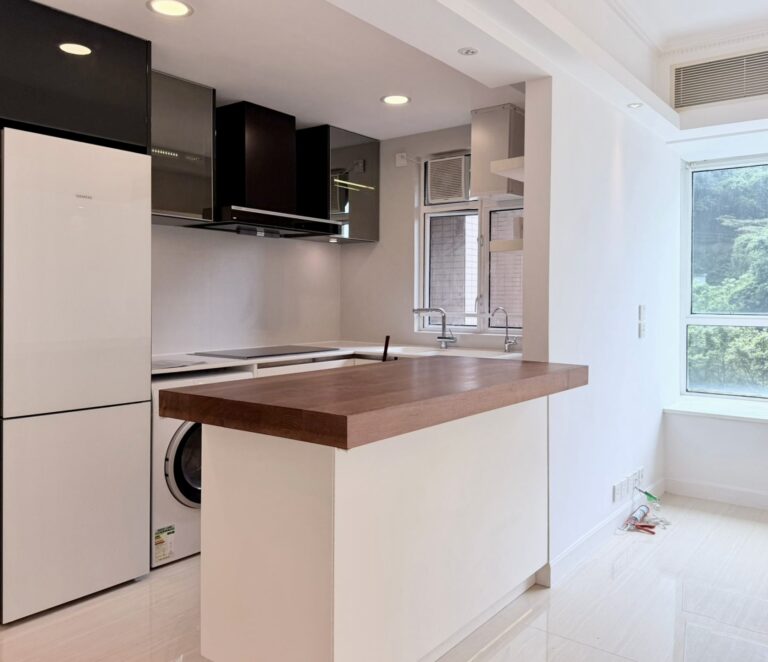
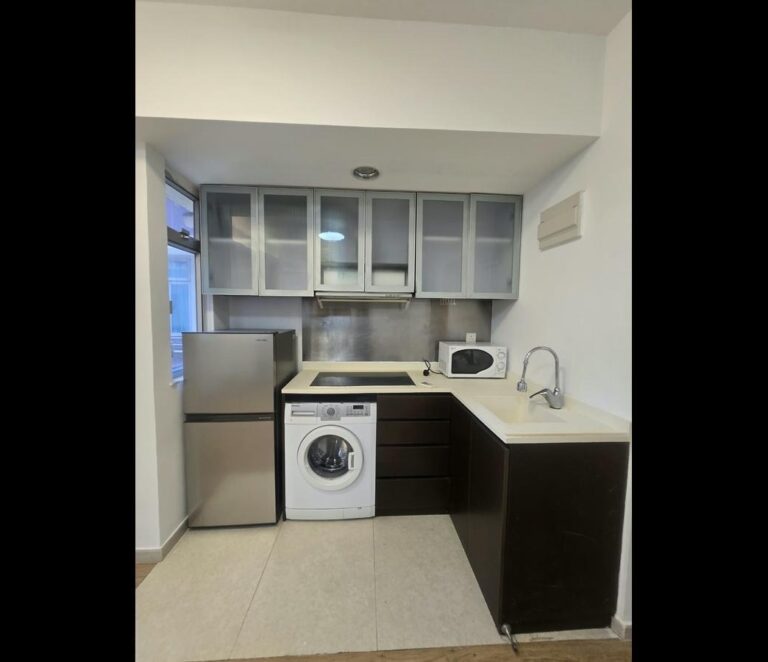
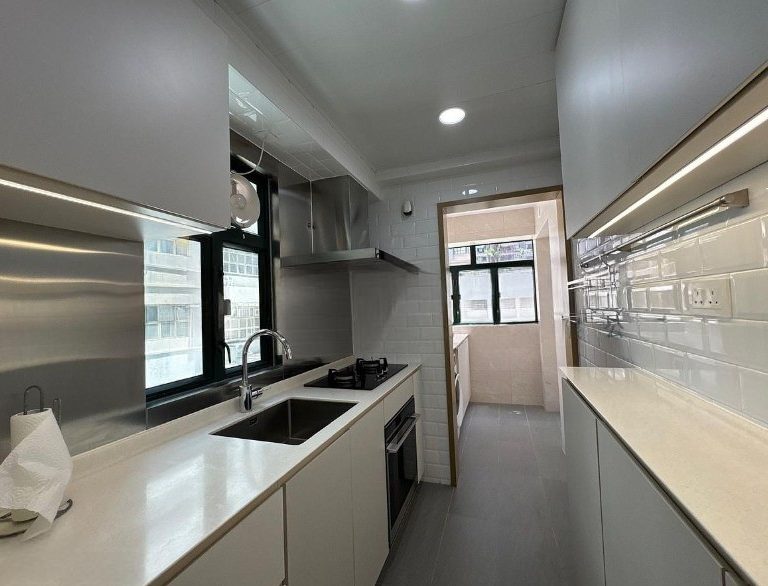
This is especially relevant for landlords. Tenants comparing several options in the same budget range usually respond quickly to practical advantages. Good storage, a usable kitchen, modern air-conditioning, and clean common areas often influence decisions more than luxury marketing language.
Buying central district homes with the right priorities
Buyers are often drawn to the idea of owning in a prime district, but clarity matters before viewing begins. Some are buying for self-use and want convenience near work. Others are purchasing as a long-term investment with rental income in mind. Those goals can point to different properties.
For owner-occupiers, building character and neighborhood feel may carry more weight. A short walk to transport, a quieter lane, or a unit that feels calm after business hours can make a meaningful difference. For investors, the focus is usually narrower. They may prioritize leasing appeal, manageable maintenance risk, and a property that can be marketed easily when tenants change.
Budget discipline is essential. In a premium location, buyers sometimes stretch for the address and compromise too much on the unit itself. That can lead to regret later, especially if the layout is difficult, renovation costs rise, or resale demand is narrower than expected. A realistic purchase plan should leave room for legal costs, potential upgrades, and a buffer for market shifts.
It also helps to be honest about trade-offs. In many cases, buyers must choose between newer facilities and a better location, between larger internal space and stronger building presentation, or between a high floor premium and a more favorable entry price. There is rarely a perfect option. The best choice is usually the one that matches your actual use of the home.
Renting in Central: convenience comes at a price
For renters, the strongest case for Central is efficiency. Living closer to work, transport, and daily services can improve quality of life in a very practical way. That is why professionals and expatriates often accept a smaller footprint in exchange for a better routine.
Still, rent levels should be judged against what the property truly offers. A polished listing may not show street activity, building wear, or whether the second bedroom can function as more than a study. Viewings should test daily comfort, not just visual appeal. Check water pressure, natural light, storage, elevator condition, and how the unit feels with windows closed.
Lease terms also deserve careful attention. In a competitive district, tenants sometimes move quickly and overlook details they later care about, such as maintenance responsibilities, break clauses, or furnishing expectations. Good representation helps renters compare homes fairly and avoid choosing based only on urgency.
What landlords should expect from central district homes
For landlords, this market offers strong visibility and a broad tenant base, but performance depends on presentation and management. A desirable district does not excuse tired interiors, unclear pricing, or slow maintenance response. In fact, tenants at this level often notice those issues faster.
Well-positioned units tend to lease efficiently when three things align: market-correct pricing, good property condition, and clear positioning. That means understanding whether the apartment is best suited to a single executive, a couple, a small family, or a corporate lease profile. A mismatch between product and audience can leave a unit sitting longer than expected.
Property management matters more than many owners expect. Prompt repairs, routine inspections, and organized tenant communication help protect rental value over time. They also reduce friction during renewals. In a district where tenants have options, dependable management can be a deciding factor in whether a good tenant stays.
Building age, maintenance, and hidden differences
One of the biggest mistakes in this market is treating buildings as interchangeable. They are not. Two properties on the same street can offer very different ownership experiences depending on management quality, common area condition, and the standard of ongoing maintenance.
Older buildings may offer more generous proportions or more distinctive layouts, which can be a real advantage. But age can also bring higher repair needs, less efficient infrastructure, or dated facilities. Newer developments may look sharper and require less immediate work, yet some have smaller room sizes or layouts that prioritize appearance over function.
This is where careful review pays off. Buyers should examine building records and likely capital expenditure needs. Renters should look at more than the apartment door. Landlords should think beyond initial leasing and consider how easily the property can be maintained and remarketed over time.
The role of neighborhood fit
Not everyone looking at Central wants the same experience. Some want to be near the business core. Others prefer the edge of the district, where the atmosphere may feel more residential while still offering quick access to transport and amenities.
That neighborhood fit affects satisfaction more than many people expect. A buyer who entertains often may value proximity to restaurants and walkability. A family may prioritize quieter surroundings and easier daily routines. An investor may focus on areas with consistent tenant demand rather than personal lifestyle appeal.
Working with an advisor who understands these micro-differences can save time and reduce costly missteps. Homewise Realty approaches this process with a practical, district-based view: not every listing is right for every client, and a good match depends on how the property will actually be used.
When central district homes make sense – and when they do not
These homes make strong sense for buyers and renters who place high value on access, prestige, and rental demand. They can also suit landlords who are prepared to maintain properties well and position them correctly in a competitive market.
They may be less suitable for those who want maximum square footage for budget, a quieter family-oriented environment, or lower entry pricing. In those cases, nearby districts may offer a better balance. There is no universal answer here. The right move depends on your timeline, financial comfort, and what matters most once the excitement of the search fades.
A good property decision should still feel right after the viewing, the negotiation, and the paperwork are done. When you look at central district homes through that lens, the best choice usually becomes much clearer.