
Hong Kong Landlord Compliance Guide for 2026
A well-presented apartment can attract strong interest quickly, particularly in sought-after residential districts. But a smooth letting process depends on more than pricing, photography, and finding a suitable tenant. This Hong Kong landlord compliance guide focuses on the practical obligations that protect your property, your rental income, and the tenant relationship from the day a listing goes live.
For most owners, compliance is not a single form to sign. It is a set of decisions made before, during, and after the tenancy. The details of the property, the proposed use, and the terms agreed with the tenant all matter. When in doubt, obtain advice from a qualified legal, tax, or building professional for your specific circumstances.
Start With a Property That Is Safe and Lawful to Let
Before marketing a home, confirm that its use and condition are suitable for residential occupation. This is especially relevant where renovations have been carried out, layouts have changed, or a unit has been divided or converted. Unauthorized building works, altered fire doors, blocked means of escape, and unapproved partitions can create serious safety and regulatory issues.
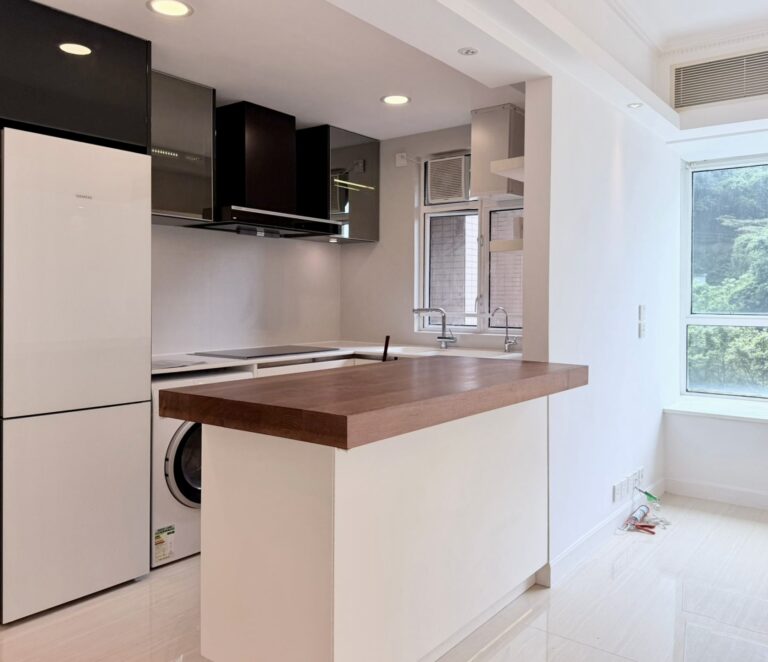
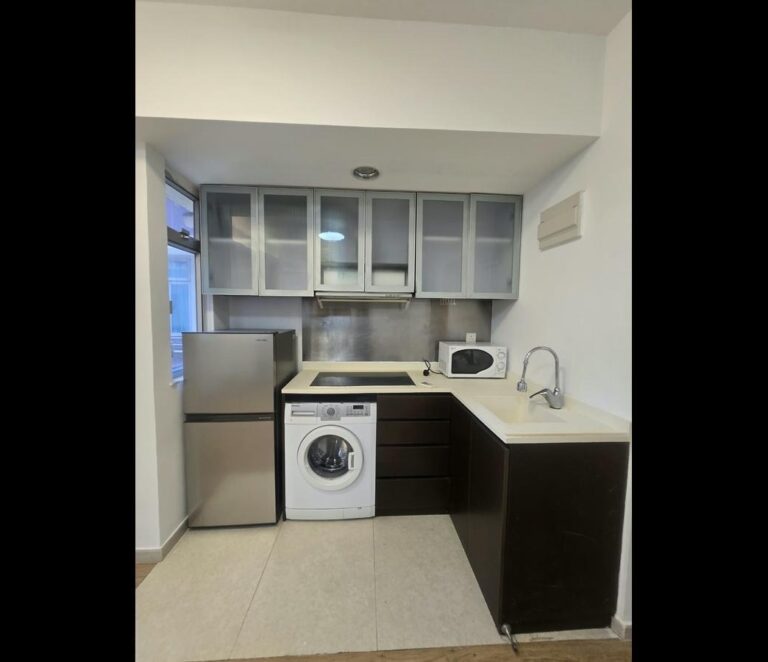
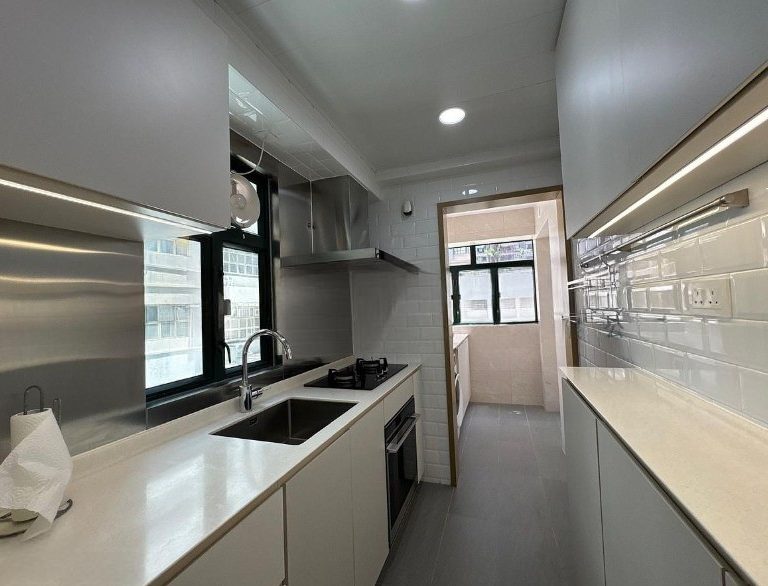
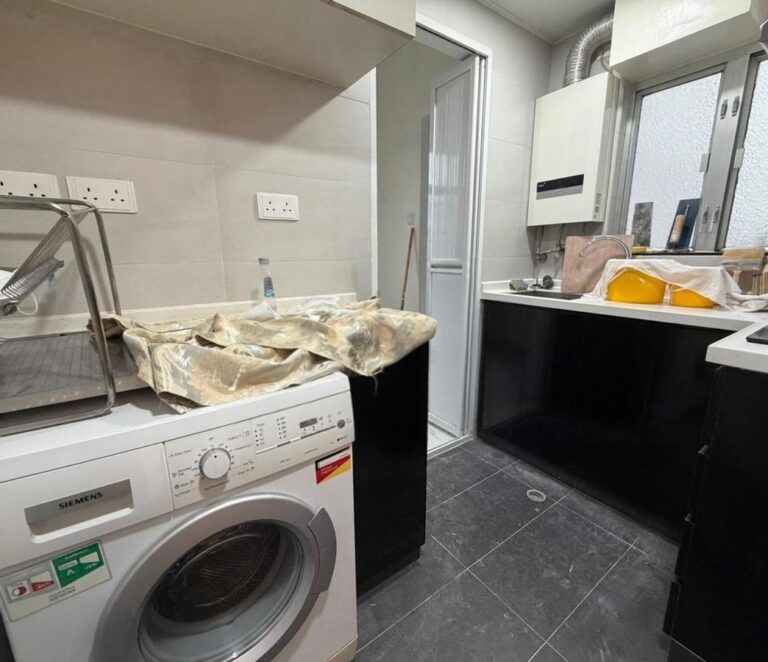
A landlord should also review the practical condition of the home. Electrical installations, gas appliances, air-conditioning units, plumbing, windows, locks, and provided appliances should be functional and safe. In a premium rental, tenants reasonably expect these basics to be addressed before handover, not after they move in.
Keep records of inspection reports, repair invoices, manuals, and warranties. They help demonstrate responsible management and make future maintenance more efficient. If the building has renovation rules, move-in procedures, or restrictions on contractors, provide these to the tenant early so that expectations are clear.
Be Careful With Subdivided or Altered Units
A standard apartment and a subdivided or materially altered property do not carry the same risk profile. Requirements can involve building, fire-safety, planning, and licensing considerations. Do not assume that a layout is acceptable merely because it has existed for some time or was used by a previous owner.
For an investment property with an unusual configuration, seek specialist advice before advertising it. Resolving a compliance issue after a tenant has moved in is often more expensive, disruptive, and damaging to the landlord-tenant relationship.
Hong Kong Landlord Compliance Guide to the Lease
A clear written tenancy agreement is the center of good property management. While the document should reflect the parties’ commercial agreement, it should also set out the terms that tend to cause disputes when they are vague: rent, due date, tenancy period, renewal arrangements, deposit, notice, repair responsibilities, utility payments, management fees, access for repairs, and early termination rights.
The agreement should identify the correct landlord and tenant names, the property address, the included fixtures and appliances, and any parking space, storage area, or club facilities included in the letting. If a corporate tenant will occupy the home, confirm who is authorized to sign and whether individual occupants need to be identified.
An inventory and condition report should sit alongside the lease. Photographs, meter readings, key counts, and a list of supplied furniture provide a practical reference at the end of the tenancy. This is not unnecessary paperwork. It is often the fairest way to assess whether an issue is ordinary wear and tear or tenant-caused damage.
Stamp the Tenancy Agreement Promptly
Residential tenancy agreements are generally subject to stamp duty, and the document should be stamped within the applicable statutory time limit. The duty payable depends on the length and terms of the lease. Landlords and tenants can agree on how the cost is shared, but both parties may have legal liability for compliance.
A stamped agreement provides meaningful protection if either party later needs to rely on its terms. Build this step into the leasing timeline rather than leaving it until there is a dispute, a renewal, or a request for documentation.
Handle Deposits and Payments With Care
A security deposit is commonly collected before handover, but it should never be treated as an informal reserve fund. The lease should state the deposit amount, the permitted grounds for deductions, and the process for returning any balance after the tenancy ends. Keep a clear record of rent received, deposits held, and invoices or evidence supporting any proposed deduction.
Landlords should also specify which party pays government rent, rates, management charges, utilities, internet service, and any other recurring property costs. In many residential leases, owners remain responsible for certain ownership-related charges, while the tenant pays consumption-based utilities. The right allocation depends on the agreement, so clarity matters more than convention.
If rent is paid by bank transfer, establish a consistent payment reference and issue a receipt or written acknowledgment where appropriate. Accurate records are useful for tax reporting and avoid avoidable confusion when a tenant claims a payment was made.
Meet Repair and Access Responsibilities
The lease should distinguish between day-to-day tenant care and the owner’s responsibility for the structure and supplied systems. A tenant can reasonably be expected to keep the property clean, replace consumables, and report problems promptly. A landlord should not expect a tenant to absorb the cost of a failed built-in appliance, plumbing defect, water leak, or issue arising from the building itself unless the agreement clearly and lawfully provides otherwise.
Responsiveness matters. A small leak can become damaged flooring, mold, or a complaint from a neighbor below. Establish a reporting channel, identify who can approve repairs, and retain reliable contractors for urgent work. For overseas owners, appointing a locally available property manager can prevent minor issues from becoming expensive ones.
Landlords may need access to inspect or repair the property, but access should be arranged reasonably and in line with the tenancy agreement. Except in a genuine emergency, give notice and respect the tenant’s right to quiet enjoyment of the home. A lease does not give an owner unrestricted entry.
Advertise and Select Tenants Fairly
Marketing language and tenant selection practices should be professional, consistent, and based on legitimate tenancy criteria. Hong Kong’s anti-discrimination laws cover areas including sex, disability, family status, and race. Avoid advertising wording or selection decisions that exclude people because of a protected characteristic.
A better approach is to assess every applicant against relevant, consistent factors: ability to meet the rent, proposed occupancy, intended use of the property, lease length, references where appropriate, and willingness to comply with building rules. For a luxury residence, a landlord may have valid concerns about occupancy levels, pets, or corporate housing arrangements, but those requirements should be tied to the property and applied fairly.
Tenant screening also involves personal data. Passport copies, employment information, financial documents, and contact details should be collected only where reasonably needed, stored securely, and shared only with parties who need the information for the tenancy. This is good practice under Hong Kong’s personal data privacy framework and a sensible standard of service for any landlord.
Plan for Tax, Records, and Renewals
Rental income may be subject to Hong Kong property tax, with the owner’s circumstances affecting the final position. Owners should maintain organized records of rent, rates, allowable expenses, loan interest where relevant, management costs, and repair invoices. Tax rules and available assessments can differ depending on whether the owner is an individual, a company, or has other Hong Kong income.
Do not wait until a filing deadline to reconstruct a year’s worth of transactions. A separate property file, whether digital or physical, makes compliance easier and helps an owner understand the true return from an investment property.
Renewal discussions should begin before the tenancy expires. Review the market rent, the tenant’s payment history, property condition, and any upcoming building works. A good tenant who has cared for the home may justify a more measured renewal decision than a vacant period, even if asking rents have risen. It depends on the property, demand in the district, and the owner’s investment priorities.
At move-out, complete a documented inspection, agree on any repair items where possible, settle outstanding accounts, and return the deposit balance promptly under the lease terms. A calm, well-recorded handover is one of the clearest signs of professional property management.
Compliance works best when it is built into the way a property is managed, not treated as a reaction to a problem. For landlords who value dependable tenants and long-term asset care, thoughtful preparation before the keys change hands is time well spent.