
Hong Kong Property Valuation Guide for Buyers
A home can look fairly priced on a listing page and still be a poor purchase at the asking price. In a market where two apartments in the same building may differ sharply in view, layout, condition, and financing appeal, a Hong Kong property valuation guide should start with the property itself, not a headline price per square foot.
For buyers, owners, and landlords, valuation is the discipline of turning market information into a sensible decision. It helps a buyer set an offer, a seller choose a realistic asking range, and an investor judge whether expected rent supports the price paid. The answer is rarely one fixed number. A useful valuation is a well-supported range, with clear reasons for the high and low ends.
What a Property Valuation Actually Measures
A valuation estimates what a willing buyer is likely to pay for a specific home in current market conditions. It is not the same as the owner’s purchase price, the amount spent on renovations, or the price needed to fund a future move. Those factors may matter personally, but the market will mainly respond to comparable homes, available supply, buyer demand, and the property’s individual strengths and compromises.
There are also different values for different purposes. A market valuation reflects a realistic sale price. A bank valuation is the lender’s view of collateral value for a mortgage. A rental valuation estimates achievable monthly rent, often assuming a normal marketing period and a properly presented property. These figures can be close, but they do not always match.
For example, a buyer may agree to purchase a renovated apartment at a premium because it is ready to move into. A bank may take a more conservative view if recent completed transactions do not yet support that premium. The buyer then needs to consider whether the required down payment still works if financing is based on a lower figure.
Start With the Right Price Metric
Hong Kong listings commonly refer to price per square foot, but buyers must confirm which area measurement is being used. Saleable area is generally the more useful basis for comparing residential homes because it represents the private usable area as defined in the sale documentation. Gross floor area can produce a lower-looking price per square foot while including a broader measure of shared building space.
Compare like with like. If one property is quoted on saleable area and another on gross floor area, the numbers are not directly comparable. Ask for the stated area, floor plan where available, and details of any balcony, roof, terrace, parking space, or other feature included in the price.
The total price still matters. A smaller apartment with an efficient layout can command a stronger price per square foot than a larger home with long corridors, awkward bedrooms, or limited storage. The better question is not simply, “Which home has the lowest unit price?” It is, “Which home offers the best combination of usable space, location, condition, and resale appeal for this budget?”
Build a Meaningful Set of Comparable Sales
Recent completed transactions are the foundation of a credible market valuation. Asking prices show seller expectations; completed prices show where buyers and sellers actually reached agreement. In fast-changing conditions, recent evidence carries more weight than transactions from many months ago.
Begin with homes in the same development or building, ideally with a similar layout and saleable area. Then compare floor level, orientation, view, age, condition, and transaction date. A harbor view, open green outlook, quiet position, or high floor can materially change value, particularly in Hong Kong Island districts where buildings may stand close together and outlook is limited.
When exact matches are scarce, expand carefully to nearby developments with a similar profile. A newer building with a club facility, modern lobby, and stronger management may not be a fair comparison with an older walk-up or a block facing a busy road. Likewise, a renovated owner-occupied home may attract a different buyer than a tenant-occupied unit requiring work.
Three or four strong comparables are usually more valuable than a long list of weak ones. Consider the range they establish, then adjust for the subject property’s distinct features. A premium should be earned by something a future buyer will also value, not merely by decorative spending that may be personal in taste.
Adjust for Floor, View, and Layout
A lower-floor unit may be more convenient, but it can trade at a discount if it faces traffic, nearby windows, or limited light. Higher floors often command a premium, though the size of that premium depends on the building, lift access, and whether the view genuinely improves. Do not assume every higher floor is automatically better.
Layout deserves equal attention. Two units with identical saleable area can live very differently. A rectangular living room, workable bedroom proportions, adequate kitchen storage, and sensible separation between private and entertaining areas often support value. Features such as a usable balcony, helper’s room, or private outdoor space can also matter, but only if they suit the likely buyer pool.
Separate Renovation Value From Renovation Cost
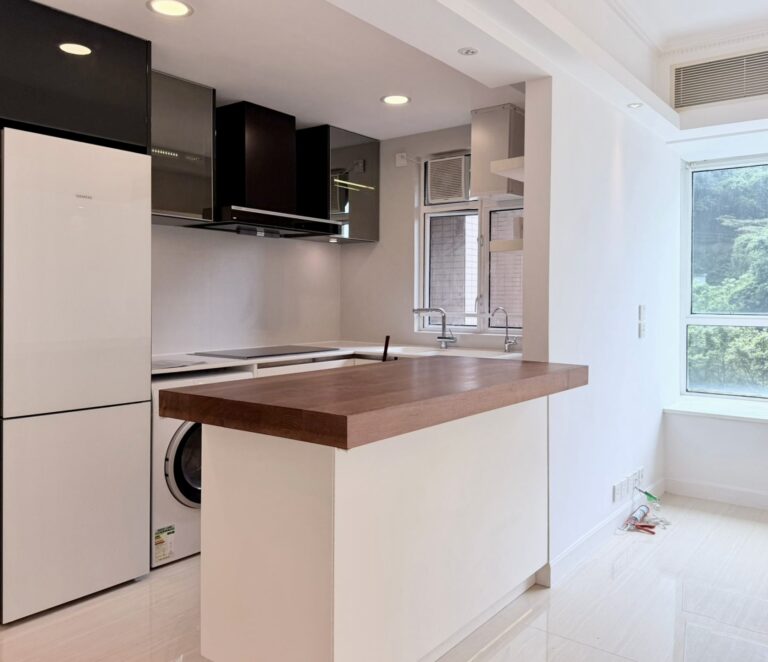
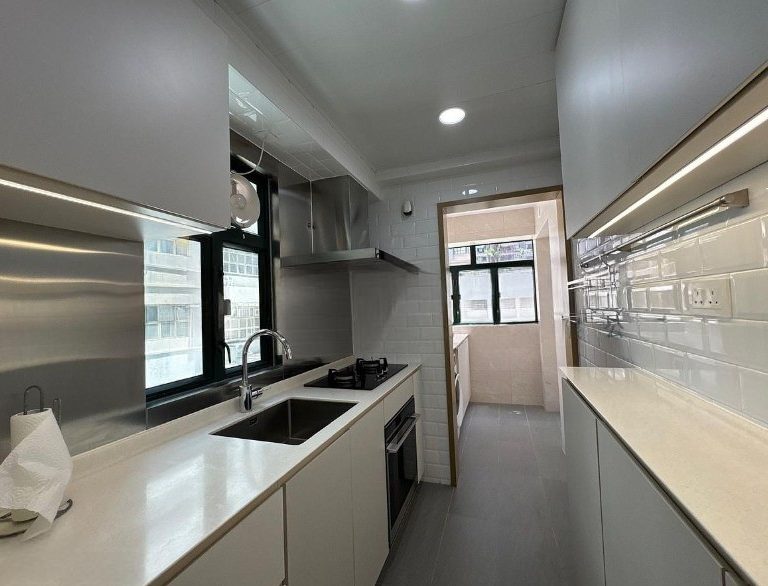
Quality renovations can reduce a buyer’s immediate expenses and make a home more attractive. Yet renovation cost is not added dollar for dollar to market value. Highly customized finishes, unusual color schemes, or a layout altered for one household may narrow the audience.
Treat renovations as a factor that can move a property toward the upper end of its comparable range. Inspect workmanship, building approvals where relevant, plumbing and electrical updates, and the remaining life of appliances. A polished presentation is valuable, but sound condition is more valuable.
Factor in Timing and Market Conditions
Property value is not static. Mortgage rates, stock market sentiment, employment confidence, policy changes, new supply, and transaction volume can all affect how quickly buyers act and how firmly sellers hold their price. In a quieter market, a well-priced home may still require patience. In a competitive market, exceptional units can attract multiple interested parties.
Look beyond broad headlines. Conditions can differ by district, price band, and property type. Family-sized homes in a well-regarded school catchment may behave differently from compact investment apartments. A luxury residence with a rare outdoor area may have few direct comparables and a longer sales cycle, even if its eventual buyer is willing to pay a premium.
For a purchase decision, ask how long the property has been marketed, whether the asking price has changed, and what competing homes are available now. Current supply influences negotiating leverage. A seller with several similar units on the market nearby may need to be more flexible than an owner offering a genuinely scarce layout.
Understand the Gap Between Bank Value and Market Value
Before making a firm offer, buyers relying on mortgage financing should obtain an indication of bank valuation through their financing channel. If the bank value is below the agreed price, the loan amount may be lower than expected, depending on the applicable loan-to-value ratio and the buyer’s circumstances. The difference generally needs to be covered with additional cash.
This does not automatically mean the home is overpriced. Banks can be cautious, particularly where transaction evidence is thin or the market is moving quickly. Still, it is a signal worth examining. Review the comparable sales again and make sure the premium is supported by tangible attributes rather than urgency.
Cash buyers also benefit from this check. Bank valuations offer an independent lens, though they should not replace local advice from someone who understands the building, the immediate street, and the buyer profile likely to support future resale.
Use Rental Yield as an Investor Reality Check
For an investment property, valuation should include achievable rent and realistic ownership costs. Gross yield is calculated by dividing annual rent by purchase price. It is a quick comparison tool, but it is not net return.
Monthly management fees, government charges, maintenance, insurance, vacancy periods, leasing costs, and tax considerations can reduce income significantly. A unit with an impressive advertised rent may also have a short lease remaining or furnishings that will need replacing. Consider likely rent after a normal void period, not only the best-case number.
Rental demand is local. Proximity to business districts, transport, international schools, lifestyle amenities, and major employment hubs can support leasing interest, but tenant preferences vary. A practical, well-managed apartment often leases more reliably than a larger but inconvenient home.
A Disciplined Way to Set Your Number
Once you have reviewed comparable sales, the unit’s condition, current competition, financing, and rental potential where relevant, set three numbers: the property’s reasonable value range, your preferred purchase price, and your absolute walk-away price. Keep the last figure private and base it on your finances, future plans, and the alternatives available to you.
For sellers, the same discipline protects against overpricing. An ambitious asking price may generate attention, but a property that sits too long can become harder to position. A well-supported launch price, thoughtful presentation, and informed feedback from viewings provide a stronger path to a successful transaction.
A local agent can add real value by interpreting the details that transaction records do not show: whether a view is likely to remain open, how a stack is regarded within a development, why one recent sale achieved more than another, and what serious buyers are asking during viewings. Homewise Realty approaches valuation as part of a wider conversation about your timing, financing, and next move.
The right property is not always the cheapest one, and the highest offer is not always the best one. When the valuation evidence, your budget, and the home’s long-term usefulness point in the same direction, you can move forward with greater confidence.