
A Luxury Apartment Leasing Case Study That Worked
A vacant luxury apartment can become expensive faster than many owners expect. Monthly carrying costs continue, market momentum can shift, and an overly broad marketing approach may attract inquiries without producing a qualified offer. This luxury apartment leasing case study examines how a considered leasing plan helped position an apartment for the right tenant while protecting the landlord’s priorities.
To protect client privacy, a few identifying details have been adjusted. The leasing decisions, market considerations, and service approach reflect the practical work required to lease a high-value home in a competitive market.
The Luxury Apartment Leasing Case Study
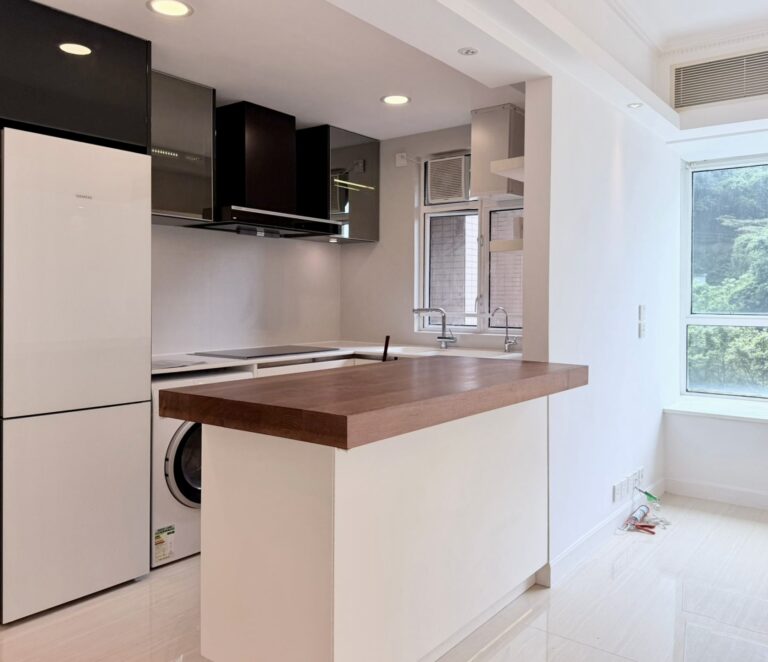
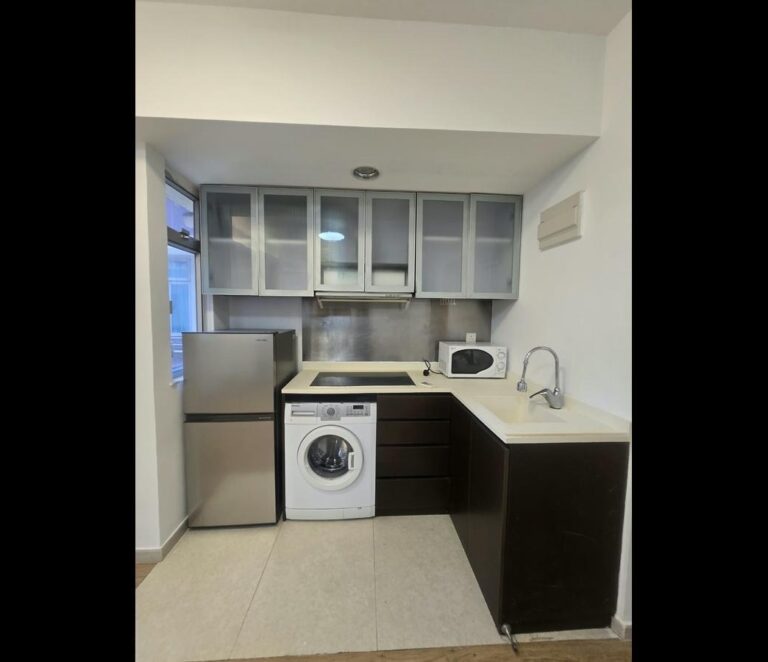
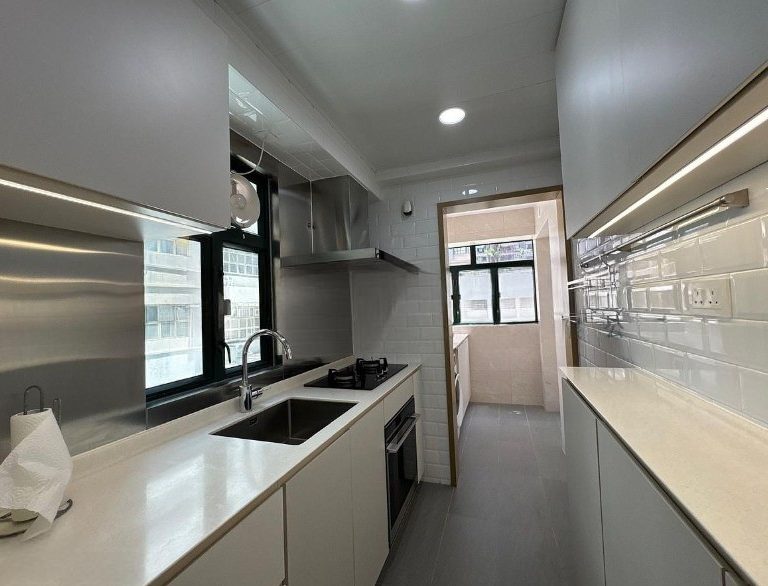
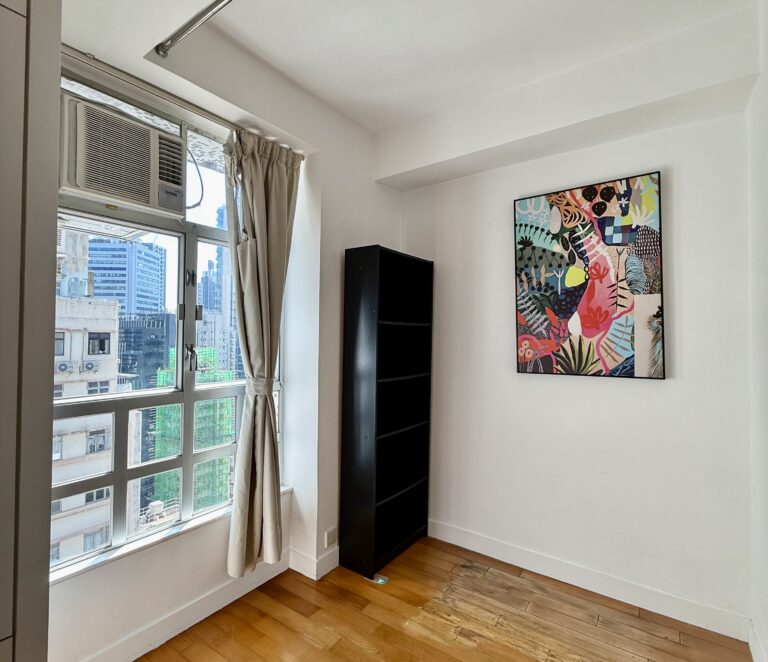
The property was a well-maintained three-bedroom apartment in a Hong Kong Island residential district popular with professionals and families. It offered a practical layout, good natural light, a clubhouse, and convenient access to transport, dining, and daily services. The owner had recently completed selective improvements, including repainting, updated lighting, and repairs to built-in storage.
The landlord’s objectives were clear: secure a financially reliable tenant, avoid a long vacancy, and preserve flexibility around the lease term. The owner did not simply want the first applicant. They wanted a tenant likely to care for the home, communicate responsibly, and meet the agreed obligations without creating avoidable management issues later.
There was one complication. Similar apartments were available nearby, including several units offered at ambitious asking rents. Some had better views, while others had more dated interiors or less convenient floor plans. This meant the property could not rely on its district alone. It needed a credible market position and a clear reason for the right tenant to choose it.
Start With Pricing, Not Hope
The first conversation focused on asking rent. Owners naturally look at nearby advertised prices, but an advertised figure is not the same as a completed lease. A useful leasing recommendation considers current competing supply, recent transaction evidence where available, apartment condition, floor level, layout efficiency, furnishings, and the likely tenant pool.
In this case, the initial rent the owner had in mind was above the most realistic range for comparable homes. It was not unreasonable on paper, but it risked leaving the apartment available long enough for prospective tenants to assume there was a problem. A property that sits too long can lose negotiating strength, even when its condition is excellent.
The recommendation was to launch at a defensible figure near the upper end of the realistic range rather than at the absolute ceiling. This created room to test demand without presenting the home as out of touch with the market. The owner agreed because the difference between a slightly higher monthly rent and an extra month of vacancy was easy to quantify.
Pricing is not about discounting a good home. It is about aligning the home’s value with the choices a qualified tenant can make that week. In a fast-moving leasing market, timing and perceived fairness are often as important as a small difference in the asking figure.
Present the Apartment as a Home, Not Just Inventory
Before viewings began, the apartment was prepared with tenant decision-making in mind. The improvements were photographed clearly, but the presentation did not overstate them. Rooms were decluttered, curtains were opened for daytime photography, and personal items were removed so viewers could understand the scale and practical flow of each space.
The listing emphasized the points that mattered most to the expected audience: bedroom usability, storage, building facilities, commute convenience, and the condition of the apartment. For family prospects, the conversation could focus on room configuration and neighborhood routines. For corporate or professional tenants, it could focus on access, move-in readiness, and the landlord’s responsiveness.
This distinction matters. Luxury leasing is not only about square footage or a prestige address. A tenant paying a premium wants confidence that daily life in the apartment will work well. Clear information saves time for everyone and reduces the gap between expectations formed online and the experience of the viewing.
Managing Inquiries and Viewings With Purpose
The first several days generated substantial interest, but not every inquiry was a suitable match. Rather than scheduling indiscriminate viewings, the agent clarified key questions early: intended move-in date, number of occupants, lease duration, employment or corporate sponsorship, furnishing needs, and budget comfort.
That initial qualification did not exclude serious prospects. It made the viewing process more respectful and productive. A tenant with a fixed move date and a different budget range could be guided toward a more appropriate property, while the owner’s apartment was reserved for prospects with a genuine reason to proceed.
Viewings were arranged around the apartment’s best light and the availability of the owner’s building access procedures. During each appointment, the discussion covered both the attractive features and the practical details that often emerge later, such as included appliances, maintenance responsibilities, move-in arrangements, and any building rules. A good viewing should make the next decision easier, not leave critical questions until after an offer appears.
Within the first week, two serious parties emerged. One was prepared to offer quickly but requested several concessions and a shorter term. The other had a slightly later move-in date but offered stronger financial documentation, a longer lease commitment, and fewer changes to the proposed terms.
The Negotiation Was About More Than Rent
The higher-looking offer is not always the better lease. The owner and agent compared the full picture: proposed rent, lease length, break provisions, requested inclusions, timing, payment structure, and the prospective tenant’s overall profile. A small premium in rent may not compensate for a weak commitment, unusual conditions, or a greater chance of another vacancy soon after move-in.
The owner chose the second applicant after reasonable negotiation on the start date and a minor furnishing request. The final rent was close to the launch figure, and the lease term supported the owner’s preference for income continuity. More importantly, both parties understood the agreement before signing.
Careful tenant screening was part of this result. References and employment or corporate information were reviewed appropriately, and the prospective tenant’s expectations about use of the apartment were discussed directly. Screening should be professional and consistent, never intrusive or discriminatory. Its purpose is to help both landlord and tenant begin a lease with accurate information and shared expectations.
What This Leasing Case Study Shows
The apartment was leased within a relatively short marketing period without a material reduction from its supported asking rent. That outcome was not the result of one dramatic tactic. It came from a sequence of sound decisions: realistic pricing, thoughtful preparation, accurate property information, focused viewings, and negotiation based on the complete lease rather than rent alone.
There were trade-offs. Had the owner needed immediate occupancy, accepting the first qualified applicant could have been sensible. Had the apartment been vacant during a period of rising demand and limited supply, a firmer pricing stance might have been justified. Leasing strategy should respond to the owner’s timeline, the property’s individual strengths, and live market conditions, not a fixed formula.
The case also shows why post-agreement support matters. Once the lease was signed, the work moved to condition documentation, handover coordination, deposit handling, utility arrangements, and a clear channel for maintenance questions. A well-managed start lowers the risk of misunderstandings that can damage an otherwise successful tenancy.
Practical Takeaways for Luxury Landlords
For a premium apartment, details influence both speed and quality of tenant response. Owners should address visible repairs before marketing, establish an evidence-based asking rent, and be ready to explain what is included in the tenancy. They should also decide in advance which terms are flexible, such as move-in timing or selected furnishings, and which are not.
It is equally useful to judge feedback honestly. If multiple qualified viewers praise the apartment but do not offer, the issue may be price, lease conditions, or a missing practical feature rather than marketing reach. If the inquiries are poorly matched, the listing description or target positioning may need adjustment. Fast, informed changes are usually more effective than waiting for the market to change on its own.
A skilled local agent brings perspective to these moments. In areas with varied building quality, layouts, and tenant demand, comparable listings only tell part of the story. Hands-on knowledge of how prospective tenants react at viewings can help an owner make a measured decision before vacancy becomes costly.
The best lease is one that begins with confidence on both sides. When presentation, pricing, tenant selection, and handover receive the same care, an apartment is better positioned not only to lease well, but to remain a well-managed investment long after the keys are handed over.