
When Should Landlords Raise Rent in Hong Kong?
A lease renewal is often the moment when a landlord asks, when should landlords raise rent? In Hong Kong’s residential market, the best answer is rarely “whenever prices rise.” A well-timed, evidence-based increase can protect an investment’s income while keeping a good tenant in place. A poorly judged one can create a vacancy, extra marketing costs, and weeks of uncertainty.
For owners of quality homes on Hong Kong Island, the decision should start with the property’s actual letting position: its current rent, competing listings, tenant profile, lease terms, and the cost of finding a replacement. The aim is not simply to achieve the highest headline rent. It is to achieve the strongest realistic return with manageable risk.
When Should Landlords Raise Rent?
The most natural time to review rent is several months before a fixed-term lease ends. This gives the landlord enough time to assess the market, speak with the tenant, and, if necessary, prepare the home for re-letting. Leaving the conversation until the final weeks can put both parties under pressure and limit options.
A rent increase is more reasonable when comparable homes are consistently leasing at higher levels, demand for the district is healthy, and the property remains well presented. For example, a renovated two-bedroom apartment near transport, schools, and daily amenities may justify a higher renewal rent if similar apartments are being leased quickly at a meaningful premium.
The reverse is also true. If multiple similar properties are sitting on the market, new supply has increased, or prospective tenants are negotiating aggressively, holding the rent steady may be the smarter commercial choice. Market asking rents are useful, but completed or genuinely achievable rents carry more weight. An advertised price is not proof that a tenant will pay it.
Review the lease before starting the conversation
In many cases, rent is fixed for the duration of a current lease unless the agreement specifically provides for a review or adjustment. Landlords should read the tenancy agreement carefully before proposing any change, paying attention to the term, renewal provisions, break clauses, notice requirements, and any rent-review language.
Lease documentation and local requirements can affect the process and timing. Where there is any uncertainty, obtain advice from a qualified property professional or legal adviser rather than relying on an assumption. Clear documentation protects the landlord, the tenant, and the long-term value of the tenancy.
Use Comparable Homes, Not General Headlines
Broad market news can help establish context, but it should not determine the rent for an individual apartment. Residential demand can vary significantly between Central, Mid-Levels, Western District, North Point, and the South Side. Even within one building, floor level, view, layout, renovation quality, and furniture can change a home’s rental appeal.
A useful comparison looks at homes that match the property as closely as possible. Consider size and usable layout, building age and facilities, furnishing level, condition, view, proximity to MTR stations, and whether the home suits families, professionals, or corporate tenants. Also consider the actual lease terms. A higher rent on a longer lease or a fully furnished home may not be a direct comparison to an unfurnished unit with a shorter commitment.
Owners should be cautious about matching the highest advertised rent in a building. That figure may reflect an optimistic seller, a unique high-floor unit, or a listing that has not attracted suitable interest. A practical rental assessment should identify a defensible target range, not a single aspirational number.
Calculate the Cost of Losing a Reliable Tenant
A higher rent is only beneficial if it improves the net result. Before increasing rent, compare the expected gain with the potential cost of turnover. One vacant month can easily outweigh a modest monthly increase over a year. There may also be agency fees, cleaning, repairs, touch-up painting, utility charges, and time spent coordinating viewings and handover.
A dependable tenant also has value beyond on-time rent. They may care for the property, report maintenance issues early, cooperate with access arrangements, and renew without disruption. This is especially relevant for owners who live overseas or have limited time to oversee the home themselves.
Consider a simple example. If an increase would add HK$2,000 per month, it produces HK$24,000 over a 12-month period. If the tenant leaves and the property is vacant for one month, with additional re-letting and preparation costs, much or all of that upside may disappear. That does not mean landlords should never raise rent. It means the increase should reflect both market evidence and tenant retention value.
A modest increase can be commercially stronger
Where the current tenant is excellent and the market supports only a small gap between the existing rent and comparable homes, a moderate increase may be the most effective route. It recognizes current market conditions without forcing a good tenant to reconsider their housing options.
There are situations where keeping rent unchanged is equally sensible. Perhaps the tenant has maintained the apartment exceptionally well, the owner wants certainty during a softer market, or the home would need upgrades to compete at a higher price. Rent strategy is not a test of whether an owner can ask for more. It is a decision about return, risk, and timing.
Make Sure the Property Supports the New Rent
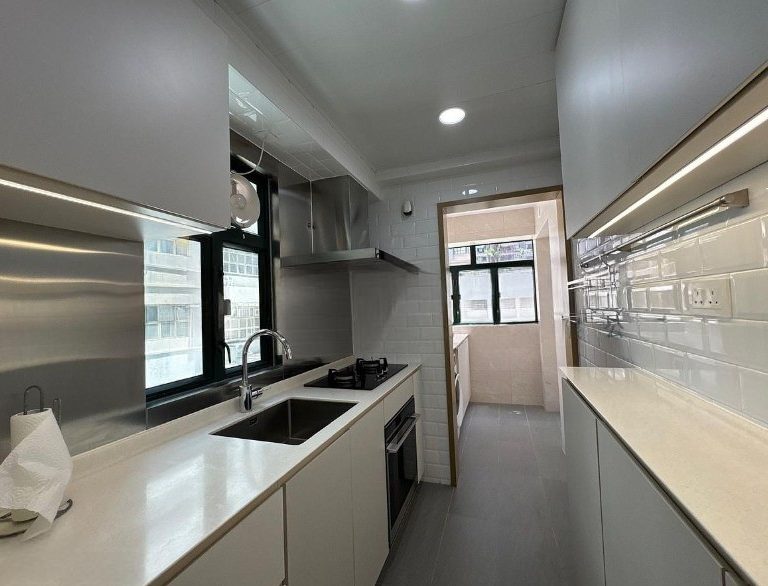
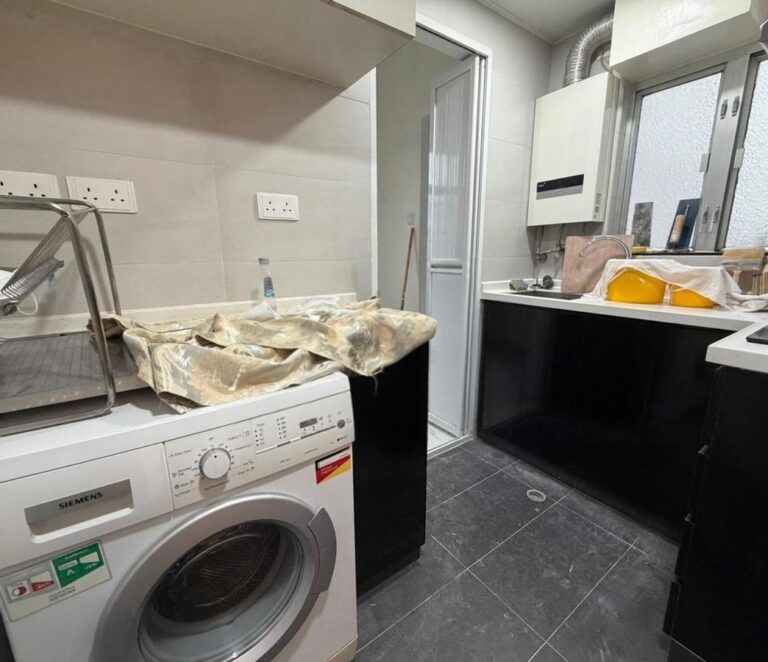
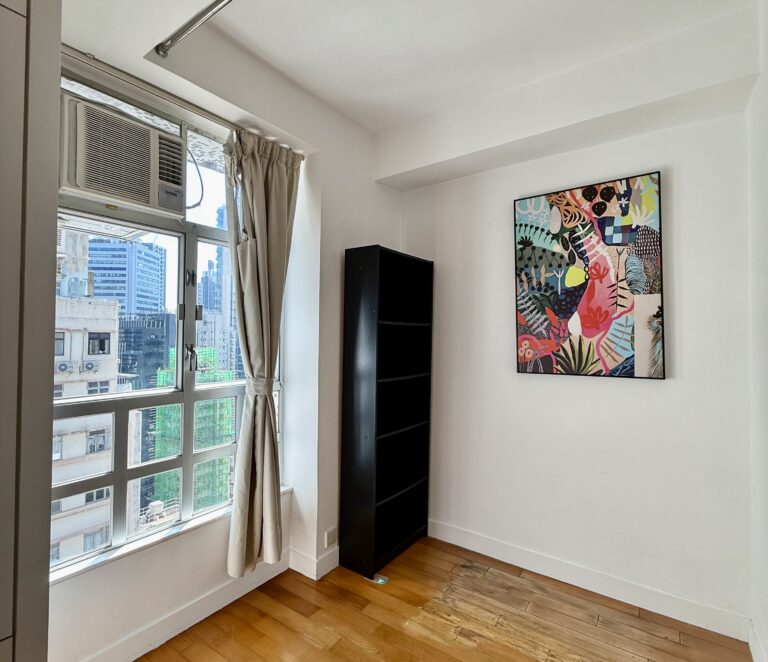
Tenants will compare the proposed renewal rent with what they can rent elsewhere. If a landlord expects a premium, the home should present accordingly. Small improvements can make a meaningful difference: professionally cleaned air-conditioning units, fresh paint where needed, repaired fixtures, updated lighting, working appliances, and a clean, well-managed common area experience.
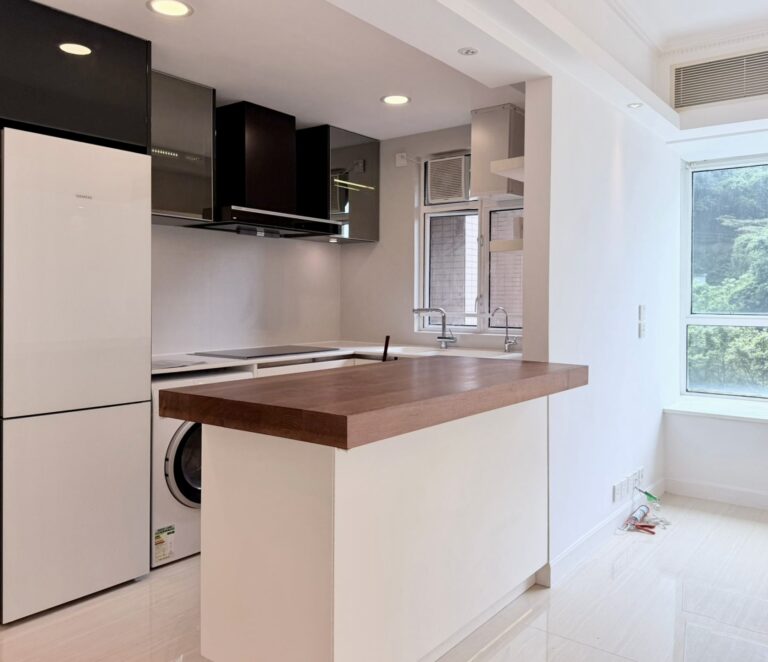
For luxury residential properties, presentation matters even more. A strong view, thoughtful furnishing, quality kitchen equipment, reliable building management, and a responsive maintenance process can all support a higher rental position. Conversely, an unresolved leak, aging appliance, or delayed repair can weaken a renewal discussion quickly.
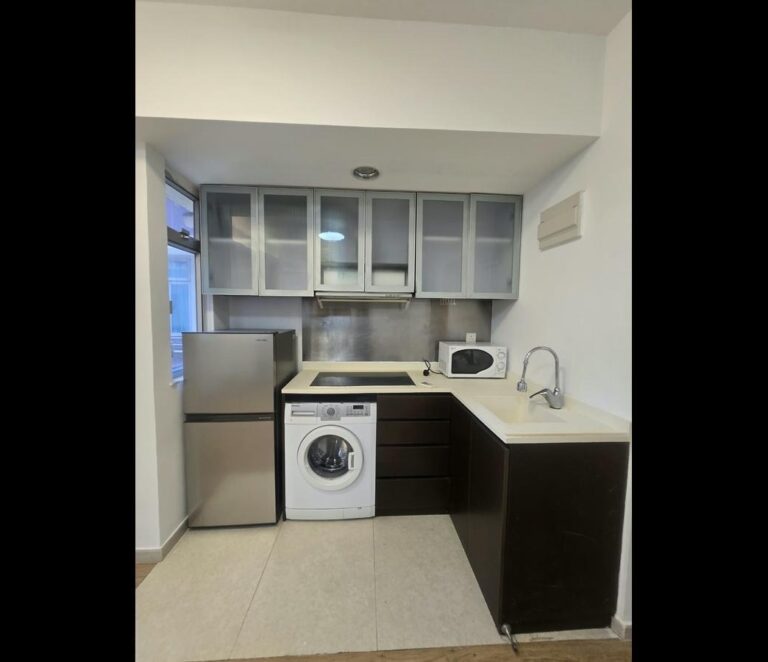
It can be helpful to separate essential maintenance from value-enhancing improvements. Essential work should be addressed regardless of rent strategy. Value-enhancing upgrades should be considered where they will improve tenant appeal, shorten vacancy time, or position the home more competitively for the next lease.
Communicate Early and Professionally
A rent increase should never arrive as a surprise at the end of a lease. Early communication gives the tenant time to consider their plans and gives the landlord time to respond to feedback. The message should be direct, courteous, and supported by the property’s market position rather than vague claims that “rents are going up.”
Explain the proposed renewal terms, the new rent, the intended lease length, and the date by which a response is needed. If the tenant raises a reasonable concern, listen carefully. They may be prepared to renew at a slightly different rent, agree to a longer term, or request a specific repair as part of the renewal. These are normal commercial discussions, not necessarily signs that the tenancy is at risk.
A professional property manager can be particularly useful here. They can provide current local comparables, coordinate renewal documentation, handle negotiations with appropriate distance, and ensure maintenance commitments are recorded clearly. Homewise Realty Ltd supports owners with this kind of hands-on approach, balancing rental performance with the practical work needed to keep a tenancy running well.
When a Larger Increase May Be Justified
A more substantial increase may be appropriate if the existing rent is clearly below market, the home has been significantly upgraded, or the previous lease was agreed during a weaker period. It may also be justified where demand has materially improved for a particular building or neighborhood and comparable homes are consistently achieving higher rents.
Even then, the proposal should be tested against the tenant’s alternatives. Ask whether the increase still leaves the home competitively priced after moving costs, deposits, agent fees, and the inconvenience of relocating are considered. If the answer is yes, renewal may remain attractive to the tenant. If not, prepare for a possible vacancy rather than assuming the tenant will accept the new terms.
The strongest rental decisions are calm, well documented, and made before the deadline is close. Review the lease early, assess real comparable evidence, weigh turnover costs honestly, and treat a good tenant as part of the property’s value. A fair increase at the right time can strengthen income without sacrificing the stability that makes residential property ownership worthwhile.