
Western District Buyer Guide for Hong Kong Homes
A home in Western District can look very different from one street to the next. A few minutes’ walk may separate a quiet older building in Sai Ying Pun from a newer waterfront tower in Kennedy Town, or a convenient MTR address from a steep uphill commute. This western district buyer guide is designed to help buyers look beyond square footage and asking price, then make a decision that fits daily life, budget, and future plans.
Western District appeals to buyers who want Hong Kong Island access without limiting their search to Central. It offers established neighborhoods, strong dining and transport options, a mix of character buildings and modern developments, and a residential atmosphere that can feel more relaxed than the city’s commercial core. The right purchase, however, depends on understanding the practical differences between locations, building types, and ownership costs.
Why buyers focus on Western District
Western District covers several distinct residential pockets, including Sai Ying Pun, Shek Tong Tsui, Kennedy Town, and parts of Mid-Levels West. Each has its own rhythm. Sai Ying Pun suits buyers who value quick access to Central and a growing selection of restaurants and services. Shek Tong Tsui offers a more traditional neighborhood setting with strong everyday convenience. Kennedy Town attracts professionals, expatriates, and families who appreciate its waterfront feel, MTR access, and village-like community atmosphere.
For many owner-occupiers, the key attraction is balance. You can stay close to major business districts while having supermarkets, cafes, schools, parks, and local services within reach. Investors often look at the same fundamentals, particularly rental appeal among professionals seeking an Island address with straightforward commuting.
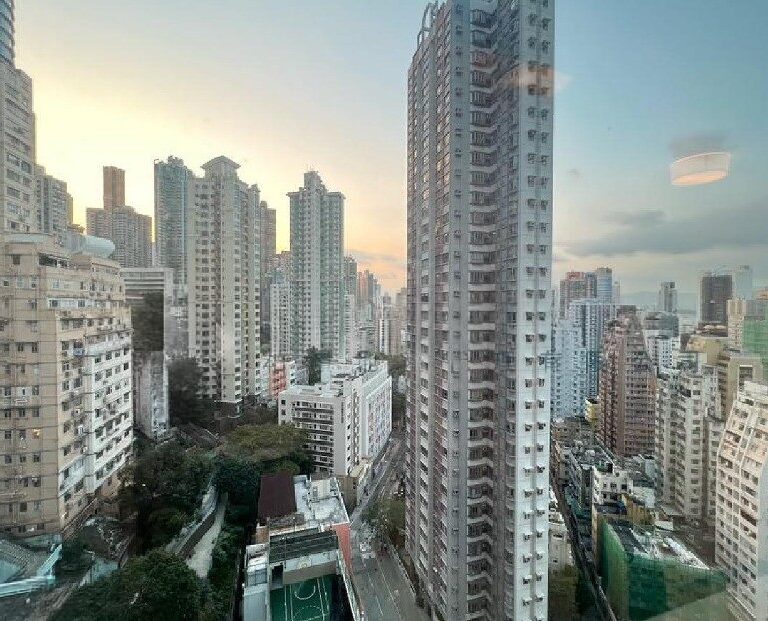
That said, no district-wide reputation can replace a street-level assessment. Traffic, construction activity, hill gradients, views, building density, and nearby redevelopment can materially affect both comfort and resale appeal.
Western District buyer guide: Start with your priorities
Before viewing properties, decide what the home must deliver over the next three to five years. Buyers often begin with a broad wish list, then discover that their priorities conflict. A larger apartment may mean an older building. A harbor view may come with a higher price, wind exposure, or future development uncertainty. A newer tower may have better amenities but a smaller usable layout.
For a working professional, commute time and access to the MTR may rank first. For a family, bedroom configuration, storage, school transport, and room for a helper may matter more than a fashionable address. For an investor, rental demand, building management, maintenance history, and the ability to attract reliable tenants deserve equal attention to the purchase price.
It helps to separate non-negotiables from preferences. For example, being within a comfortable walk of an MTR station may be essential, while a clubhouse may be optional. This makes viewings more focused and allows your agent to identify suitable opportunities quickly, including homes that may not initially look like an obvious match.
Compare neighborhoods by how you will live
Sai Ying Pun: proximity and everyday energy
Sai Ying Pun is often chosen for its convenience. It is close to Central, well served by public transportation, and offers a lively blend of older local shops and newer dining options. Homes here range from walk-up buildings to newer developments, and buyers should pay close attention to building age, elevator access, slope, and the exact route home from the station.
A compact apartment in a well-connected location may hold strong appeal for renters and buyers who prioritize time. On the other hand, those seeking larger family layouts or quieter surroundings may find better value farther west or uphill.
Shek Tong Tsui: practical and well connected
Shek Tong Tsui has a more established residential feel, with practical amenities close at hand. It can be a sensible choice for buyers who want an active neighborhood without paying solely for a lifestyle label. The area includes older buildings with potentially more generous room proportions, alongside newer developments designed for modern city living.
Older properties can offer character and space, but they require closer review. Ask about renovation history, plumbing, electrical systems, common-area maintenance, elevator condition, and upcoming works. A lower entry price can be attractive, yet a poorly maintained building may create higher costs and more difficulty at resale.
Kennedy Town: waterfront appeal and community feel
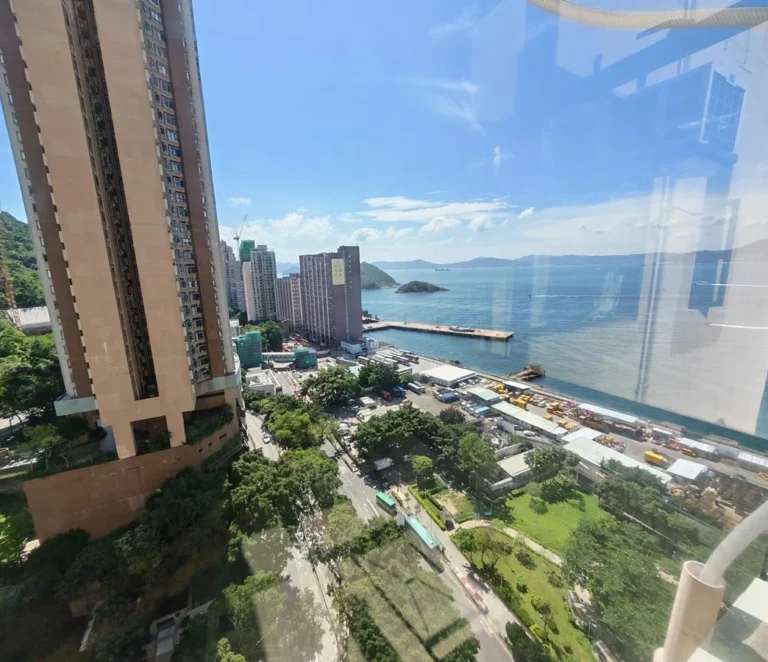
Kennedy Town has become a preferred location for buyers who want a more residential pace while remaining connected to the rest of Hong Kong Island. The waterfront promenade, dining scene, and MTR station contribute to its appeal, particularly for professionals and young families.
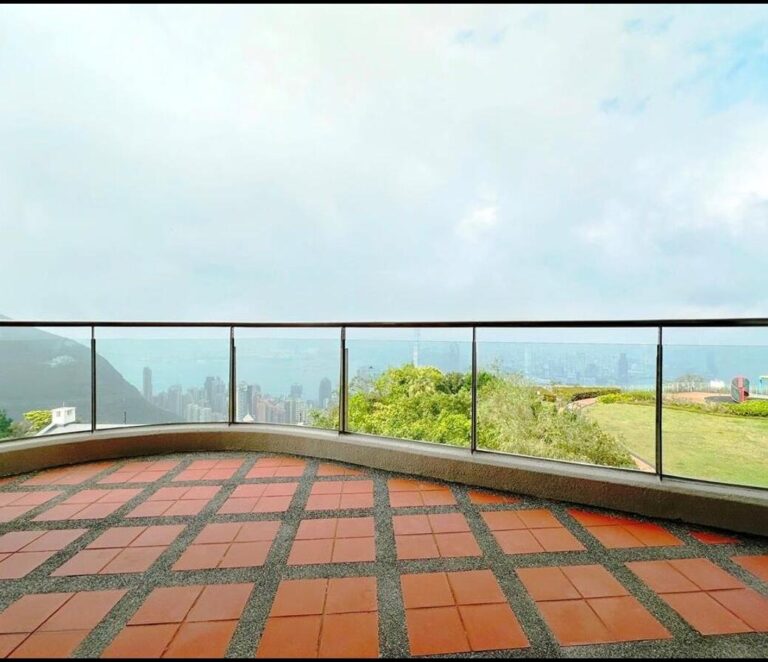
Pricing can reflect this demand, especially for apartments with open views, efficient layouts, or newer facilities. Buyers should also check whether a view is protected, how much sun and traffic noise the apartment receives, and whether nearby construction could affect the experience. A view should be assessed from inside the home at different times of day, not only from a listing photograph.
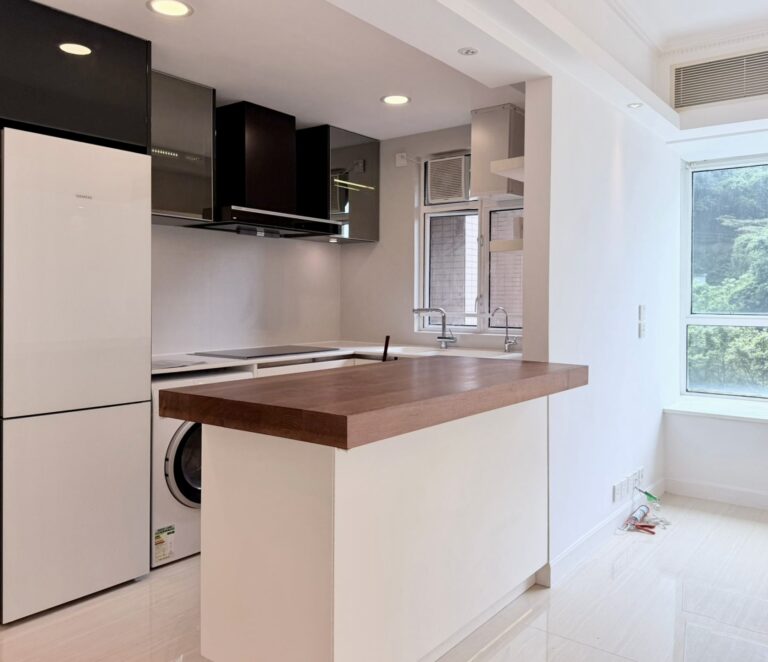
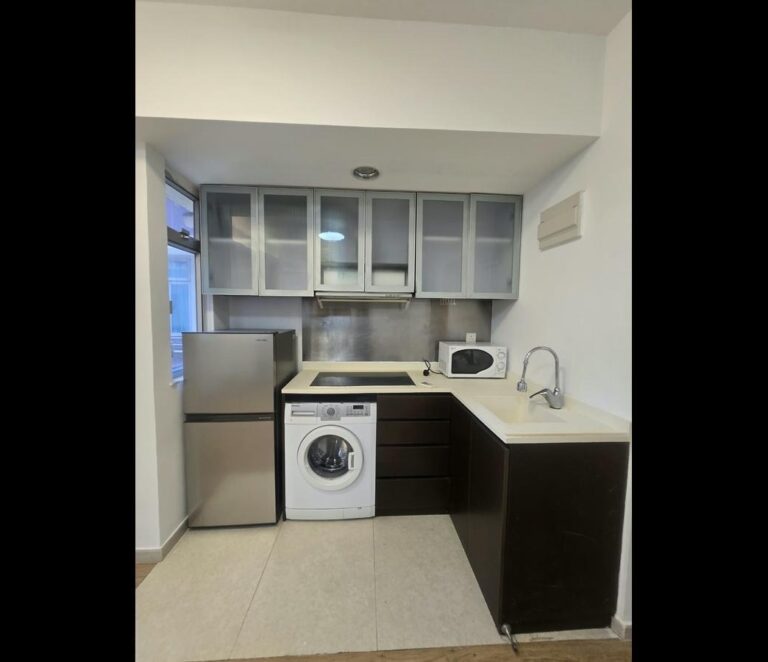
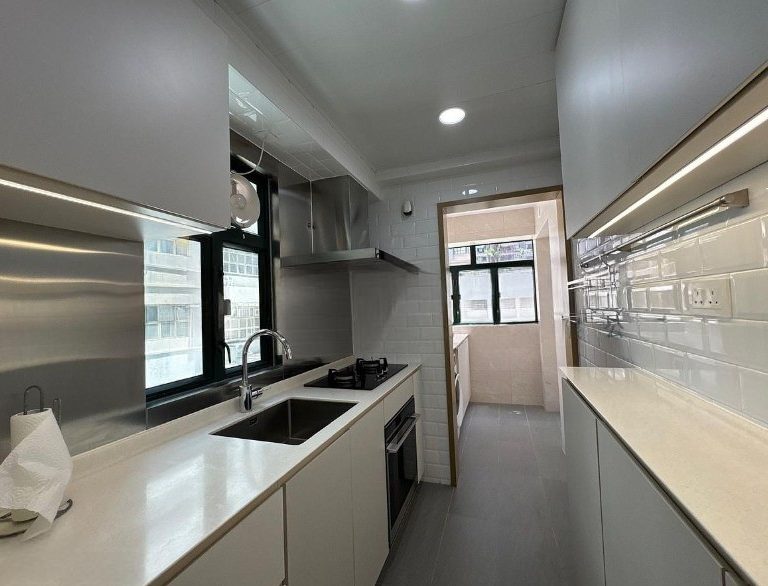
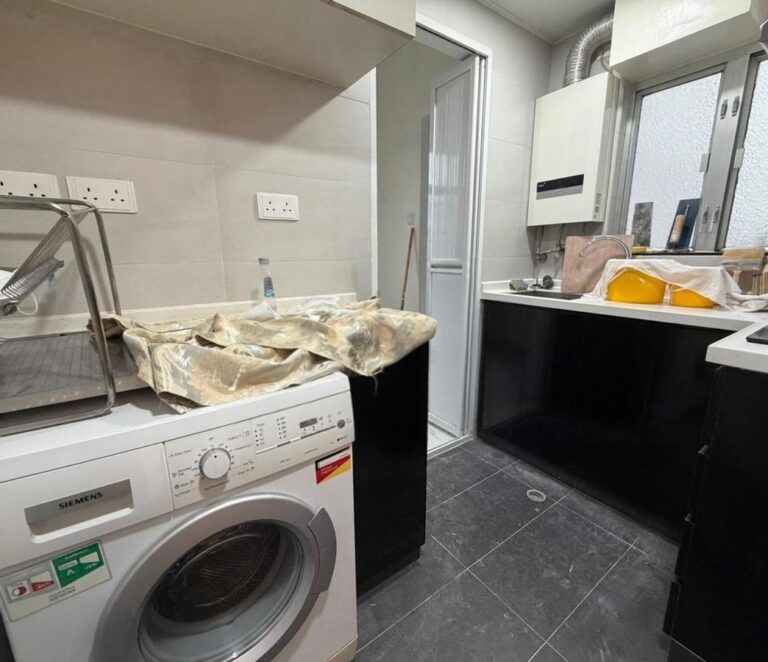
Look past the renovated kitchen
A polished interior can make an apartment feel move-in ready, but the building itself is usually the larger long-term decision. During viewings, examine the property with both an owner’s and a future buyer’s perspective.
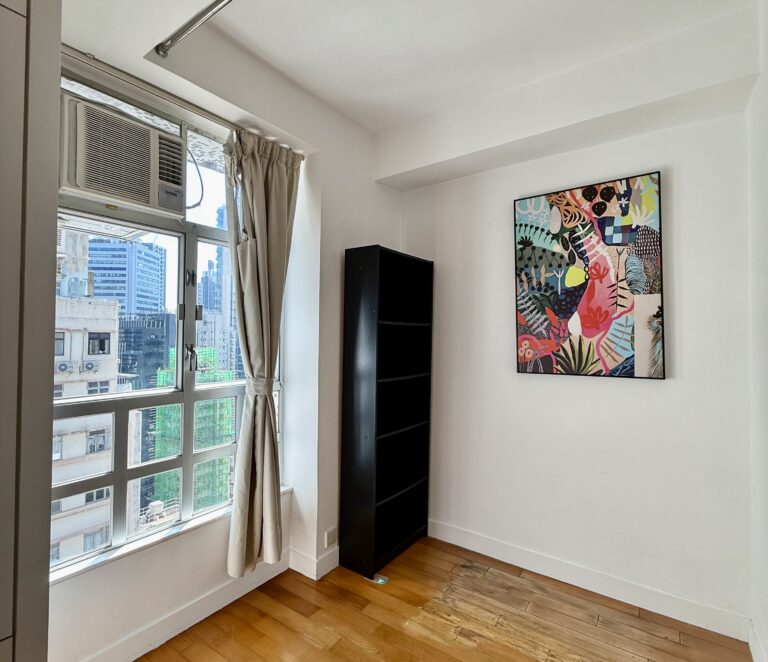
Consider the layout first. Usable square footage matters more than a large headline number. Look at whether bedrooms can fit real furniture, whether storage is adequate, and whether the kitchen and bathrooms suit your household. Check natural light, cross-ventilation, ceiling height, window condition, and the placement of air-conditioning units.
Then assess the building. Review the lobby, elevators, mail area, security arrangements, common corridors, and exterior condition. Ask about the owners’ corporation, management company, monthly management fees, and any known or planned major repairs. A well-managed older building can be an excellent purchase; a newer building does not automatically guarantee lower future costs.
Noise is another frequently overlooked issue. Visit during peak traffic hours if possible. Listen for road noise, construction, bar activity, nearby schools, or mechanical equipment. In dense urban areas, a quiet viewing at midday may not tell the whole story.
Budget for the full purchase, not only the price
A clear budget gives you more confidence when the right property appears. Beyond the agreed purchase price, buyers should allow for stamp duty where applicable, legal fees, agent commission, valuation-related costs, mortgage expenses, insurance, renovation, furniture, and moving costs. Requirements and tax treatment can differ based on residency, ownership history, and the nature of the purchase, so obtain current advice from a qualified solicitor and mortgage professional before making an offer.
Mortgage pre-approval is particularly useful in a fast-moving market. It helps establish a realistic price range and reduces uncertainty once negotiations begin. Do not assume a bank’s valuation will match the agreed price, especially for distinctive apartments, older buildings, or properties where recent comparable transactions are limited.
If you are purchasing as an investment, build a conservative model. Factor in possible vacancy periods, management fees, repairs, leasing costs, and tax obligations. A high advertised rental figure is not the same as dependable net income.
Understand the offer and due diligence process
Once you find a suitable home, speed matters, but so does preparation. In Hong Kong, a provisional agreement can be signed soon after price and terms are agreed, typically accompanied by an initial deposit. The transaction then proceeds through formal sale and purchase documentation, further deposit arrangements, and completion. Exact timing and terms are negotiable and should be reviewed carefully by your solicitor.
Before committing, confirm the property’s title, outstanding charges, tenancy status, permitted use, and any relevant building orders or planned works. If the apartment is sold with a tenancy, understand the lease terms, rent, deposit arrangements, and possession date. If you need vacant possession, make that requirement explicit.
A dependable agent can coordinate communication among the seller, solicitor, mortgage banker, and management office, keeping the transaction moving while ensuring key questions are addressed. At Homewise Realty, that local coordination is part of helping clients move from a promising viewing to a well-supported purchase.
Think about resale from day one
Even buyers planning to stay for years should consider what will make the home marketable later. Convenient access, an efficient layout, sensible management fees, good building upkeep, and broad lifestyle appeal generally support demand. Apartments with unusual layouts, excessive renovation, difficult access, or uncertain views may still be right for you, but they should be priced with those trade-offs in mind.
The best Western District home is rarely the one with the longest feature list. It is the one whose location, building condition, layout, and ownership costs make sense together. Take the time to walk the route home, inspect the building closely, and ask direct questions before you sign. That care can turn a promising Island address into a home you will feel good about long after completion.