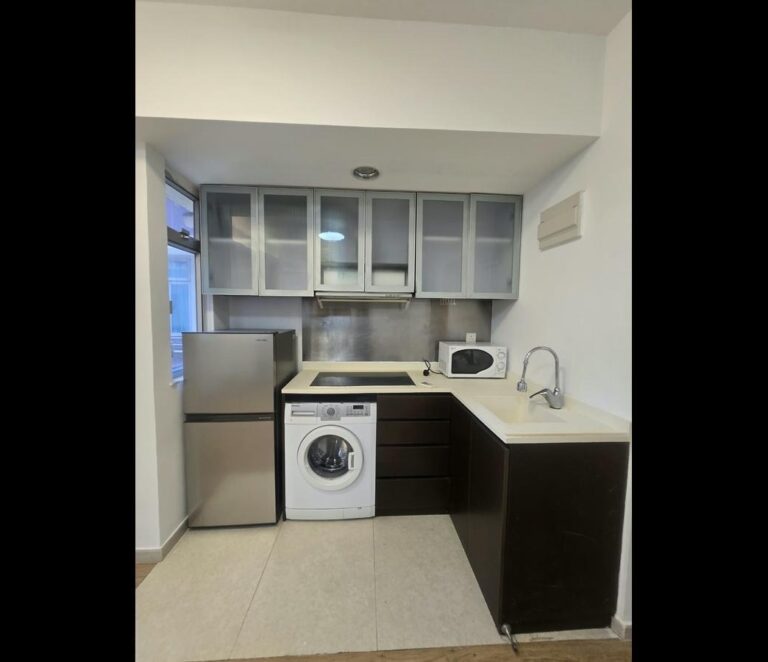

Tenant Placement Services for Landlords
A vacant rental rarely stays simple for long. Every week without a tenant affects cash flow, and every rushed leasing decision can create bigger problems later. That is why many owners turn to tenant placement services when they want to fill a property efficiently without lowering standards.
For landlords, especially those balancing work, family, travel, or multiple properties, the value is not just convenience. It is better execution at the moments that matter most – pricing the home correctly, attracting the right applicants, screening thoroughly, and putting a solid lease in place before small issues turn expensive.
What tenant placement services actually cover
Tenant placement services are designed to handle the leasing phase of a rental property. That usually begins before a listing goes live and ends once a qualified tenant has signed the lease, paid the required funds, and taken possession.
In practice, this can include rental pricing advice, preparing the property for marketing, arranging professional photos, creating listing copy, managing inquiries, conducting showings, screening applicants, checking references, negotiating terms, and preparing lease documents. Some agencies also coordinate move-in logistics and condition reports.
This is different from full property management. A placement-only service focuses on finding and securing the tenant. Ongoing management, such as rent collection, maintenance coordination, renewals, and handling day-to-day tenant issues, may be offered separately.
That distinction matters. Some landlords only need help during vacancy periods. Others prefer a full-service arrangement because they want support long after the lease begins. The right choice depends on how involved you want to be and how much time you can realistically commit.
Why landlords use tenant placement services
The main reason is straightforward: leasing well takes time, judgment, and market knowledge. A rental listing can attract a high volume of inquiries, but that does not mean it attracts the right inquiries. Owners who try to manage the process alone often find that the real work starts after the ad is posted.
A good leasing process filters quickly without being careless. It identifies serious prospects, answers practical questions, arranges viewings efficiently, and keeps momentum with qualified applicants. In a fast-moving market, delays can mean losing strong candidates. In a slower market, poor positioning can leave a property sitting longer than it should.
There is also the screening issue. Landlords are not simply choosing someone who likes the apartment. They are evaluating whether that person is likely to pay on time, respect the property, and meet lease obligations. That takes documentation, consistency, and experience.
For owners of higher-value homes, the stakes are usually higher. Presentation matters more, expectations are more specific, and tenant fit becomes a bigger factor. A well-qualified tenant is not just a name on a lease. It is the difference between a stable tenancy and a management problem waiting to happen.
What good tenant placement services look like
Not all leasing support is equal. The best tenant placement services are not just administrative. They are strategic from the first conversation.
Accurate pricing is one example. Overpricing can reduce inquiry volume and extend vacancy. Underpricing may fill the unit quickly, but at the expense of long-term returns. An experienced agent looks at comparable listings, current demand, unit condition, building profile, and the likely target tenant rather than relying on guesswork.
Marketing quality is another area where results can vary. Clear photos, polished listing details, and prompt follow-up can improve both lead quality and speed to lease. This matters even more when a property is competing with several similar units in the same area.
Screening should also be disciplined. A proper process usually reviews employment, income, references, identification, and the applicant’s overall suitability for the property. Depending on the tenant profile, it may also involve understanding relocation timing, housing allowances, company support, or family requirements.
Strong placement services also protect the landlord during negotiation and documentation. Lease terms need to be clear, deposits handled properly, and expectations set early. Small ambiguities at signing often become larger disputes later.
The trade-offs: placement only vs full management
A placement-only service can be the right fit if you are comfortable handling the tenancy after move-in. Some landlords are happy to manage rent collection, maintenance requests, and renewal discussions themselves. In that case, outsourcing only the leasing phase can be efficient and cost-effective.
But this model works best when the owner is responsive and organized. Once the tenant moves in, questions do not stop. Repairs come up, schedules shift, and communication needs to stay consistent. If you are overseas, busy with work, or simply do not want operational involvement, a placement-only solution may solve only part of the problem.
Full management costs more, but it offers continuity. The same professional framework used to place the tenant can continue through the life of the tenancy. For many landlords, especially those with premium residential assets or limited time, that continuity is worth paying for.
There is no universal answer here. Some owners need a single, well-executed lease-up. Others need a long-term operating partner.
How to evaluate tenant placement services
If you are comparing providers, ask practical questions rather than broad ones. You want to know how they price rentals, where they market listings, how they handle inquiries, what their screening standards are, and who prepares the lease documents.
It is also worth asking who will actually manage the process. In some agencies, the person who wins the instruction is not the person handling day-to-day applicant follow-up. That can create gaps in service. A more accountable model keeps communication clear and responsibility visible from listing to handover.
Local knowledge matters too, especially in district-led markets where building reputation, street profile, commute patterns, and school access can influence demand. An agent who understands how renters compare neighborhoods can position a property more effectively than someone working from general market averages.
For owners in Hong Kong’s urban residential market, that level of neighborhood fluency can make a real difference. Tenant preferences often shift by lifestyle, transportation links, family needs, and building stock. A well-located apartment still needs the right leasing strategy to reach the right audience.
When tenant placement services make the biggest difference
Some situations benefit from professional leasing support more than others. If a property has been vacant longer than expected, the issue may not be demand alone. Pricing, presentation, response speed, or qualification standards may need adjustment.
New landlords also tend to benefit. Leasing can look straightforward from the outside, but the details matter. Advertising widely is easy. Screening well, documenting correctly, and setting the tenancy up for success is harder.
Placement services are also especially useful for landlords with premium units, relocation-driven tenants, or tight timing. If a property needs to be leased before an owner’s move, before a mortgage cycle changes, or between tenancies with minimal downtime, execution becomes more valuable than experimentation.
Even experienced landlords use outside help when they want market reach and objectivity. Being too close to your own property can affect pricing decisions and applicant judgment. A professional intermediary can bring structure and perspective.
The result landlords should expect
The best outcome is not simply a signed lease. It is a qualified tenant, clear terms, minimal vacancy, and fewer avoidable issues after move-in.
That means the process should feel organized from the start. Marketing should be timely and credible. Viewings should be purposeful. Screening should be thorough without dragging on unnecessarily. Lease negotiations should be practical, and the handover should leave both parties clear on next steps.
For landlords who value attentive service, this is where a relationship-driven agency stands out. Good tenant placement is not about pushing the first available applicant across the line. It is about matching the right tenant to the right property and protecting the owner’s interests while keeping the experience professional for everyone involved.
Homewise Realty Ltd approaches leasing with that mindset – local market knowledge, careful follow-through, and support that reflects the value of the asset being entrusted.
If you are considering tenant placement services, the real question is not whether someone can list your property. It is whether they can represent it well, screen with care, and help you start the tenancy on solid ground.