
How to List Home Effectively and Sell Smarter
The first two weeks on the market usually tell you almost everything. If a home gets serious inquiries, quality viewings, and early offers, the listing is doing its job. If it sits with little response, the issue is often not the property itself. It is usually the way it was priced, presented, or positioned. That is why learning how to list home effectively matters. A strong listing does more than publish details online. It creates confidence, attracts the right audience, and gives buyers a reason to act.
For owners, especially in a fast-moving residential market, the goal is not simply exposure. It is qualified exposure. The right people need to see the property, understand its value quickly, and feel that the listing is credible. That takes more than uploading a few photos and a floor plan.
How to list home effectively from the start
The most common mistake sellers make is treating listing preparation as an afterthought. In practice, the work begins before the property goes live. Buyers form impressions quickly, and those impressions are shaped by price, condition, photography, and the quality of the written description.
Start with pricing, because it sets the tone for everything else. A home priced too high may seem like a safe negotiating strategy, but it often reduces early momentum. Buyers who are actively searching know the market well. They compare similar homes, notice when expectations are unrealistic, and may skip the property entirely. On the other hand, pricing too low can create suspicion if the home appears out of step with nearby comparables. The best pricing strategy is grounded in recent transactions, current competing inventory, and the specific strengths of the unit itself, such as layout efficiency, natural light, building reputation, or outdoor space.
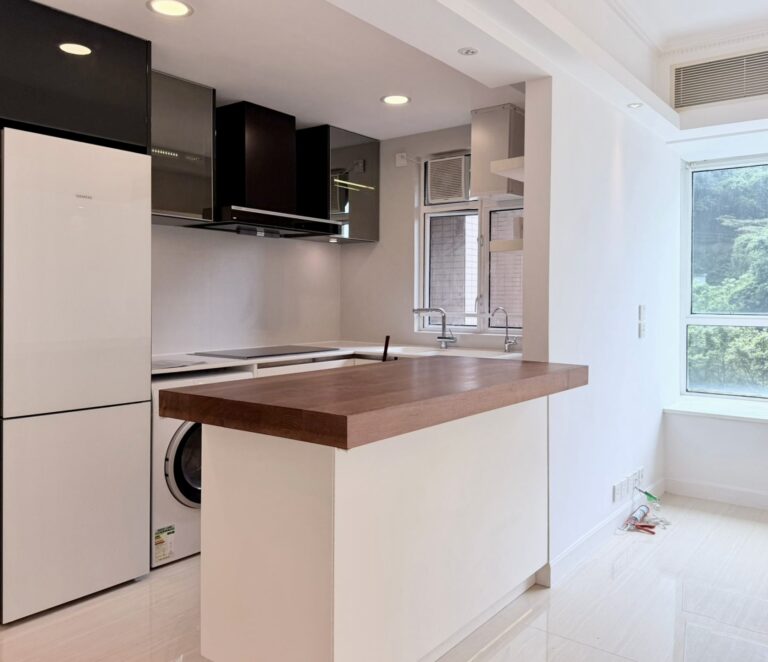
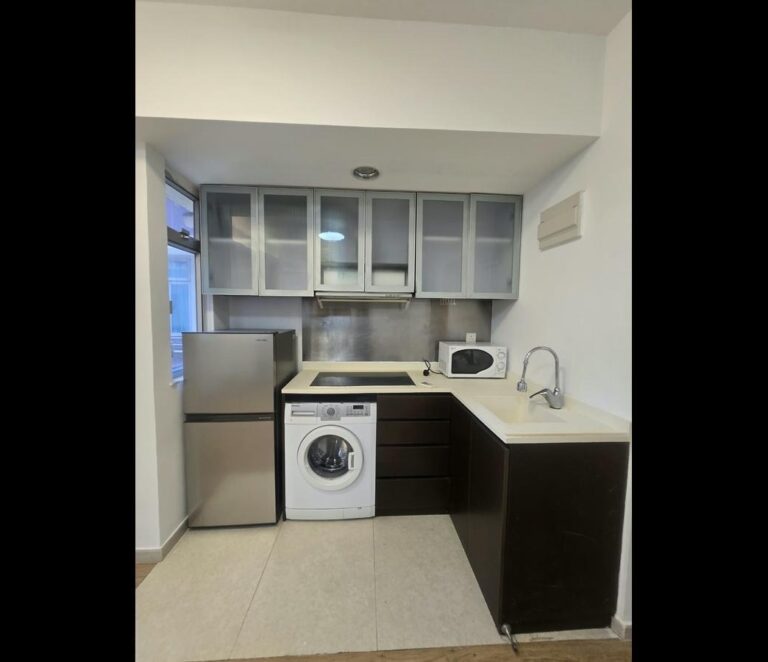
Presentation is next. Buyers are not just evaluating square footage. They are deciding whether the home feels cared for, functional, and worth a visit. That does not always mean a full renovation before listing. Often, small improvements carry the most value. Fresh paint, better lighting, repaired fixtures, deep cleaning, and less visual clutter can materially change first impressions. If a home is vacant, it may benefit from light staging. If it is occupied, it needs to look orderly and calm rather than overly personalized.
Then comes positioning. A listing should answer the buyer’s first question without making them work for it: why this home? That answer might be privacy, family-friendly layout, harbor views, a well-managed building, or proximity to a business district. A strong listing is specific. Generic language weakens trust.
What makes a property listing perform well
High-performing listings tend to share the same fundamentals. They are accurate, clear, visually strong, and easy to understand at a glance. That sounds simple, but execution matters.
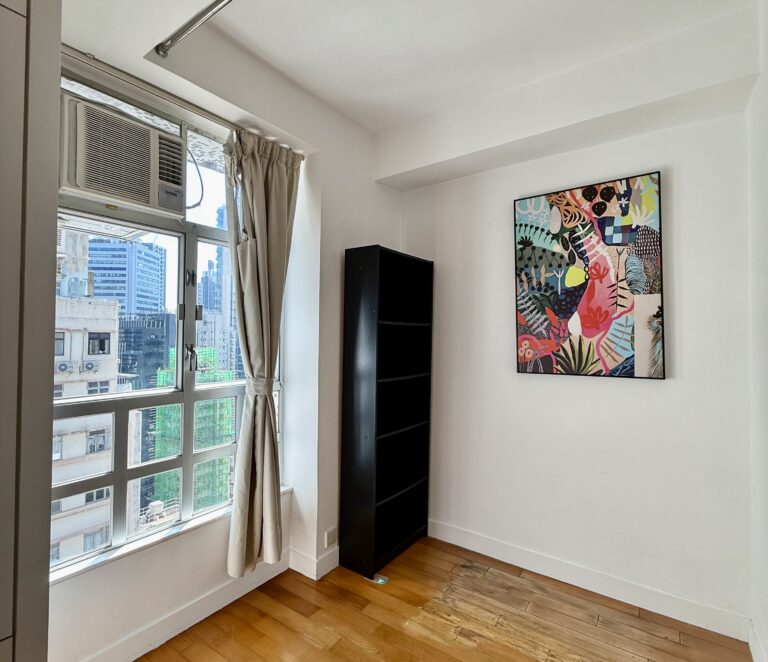
Photography is one of the biggest factors. Poor lighting, awkward angles, and inconsistent image quality can make even a good property feel underwhelming. Professional photos do not need to make a home look artificial. They need to make it look honest and appealing. Buyers want to understand room proportions, flow, and key selling points. If the living area has exceptional light or the bedroom has built-in storage, that should be visible immediately.
The written description should support the images, not repeat basic facts in a dull way. Square footage, bedroom count, and building details are essential, but they are not persuasive on their own. The copy should highlight what makes the home livable and desirable. For example, a practical layout with no wasted hallway space may matter more than headline size. A renovated kitchen with strong storage may be more valuable to a busy professional than decorative finishes.
Accuracy also matters more than many owners realize. If a listing feels vague or overstated, inquiries may drop. Serious buyers and tenant representatives notice inconsistencies quickly. Misstating views, building amenities, bedroom configurations, or transportation access can waste time and damage confidence. Strong listings are polished, but they are also dependable.
Price strategy is where many listings succeed or fail
When owners ask how to list home effectively, pricing is usually the most sensitive part of the conversation. That is understandable. Every owner wants to protect value. The challenge is that the market does not reward optimism in the way many expect.
A fresh listing gets the highest attention when it first appears. This is when active buyers, investors, and agents pay closest attention. If the asking price is too ambitious, the home may miss that window. Price reductions later can help, but they often do not fully restore the initial energy of a properly launched listing.
That does not mean every property should be priced aggressively. Premium homes, rare layouts, and units in tightly held buildings may justify a stronger position. But even then, the pricing needs logic behind it. The right question is not, “What would I like to achieve?” It is, “What will a qualified buyer reasonably pay today, compared with other available options?”
A thoughtful agent should be able to explain that clearly, using live market feedback rather than broad claims. In some cases, it makes sense to test a slightly higher number if the home has standout features and inventory is limited. In other cases, a sharper asking price may produce stronger competition and a better final outcome. It depends on demand, market timing, and how easily the property can be compared with others.
Timing, access, and buyer response
A good listing can still underperform if viewings are difficult to arrange. Access matters. When interested buyers have to wait too long, work around restrictive schedules, or navigate unclear instructions, momentum fades. Convenience may sound secondary, but in active markets it directly affects conversion from inquiry to offer.
That is why responsiveness is part of how to list home effectively. Once the listing is live, owners and agents need a plan for inquiries, scheduling, follow-up, and feedback. If multiple viewers raise the same concern, whether about pricing, condition, or layout, that information should shape the strategy quickly. Waiting too long to adjust can prolong the selling period and weaken negotiating leverage.
Timing also depends on the property type and target audience. A family home and an investor-friendly unit may attract different buyers at different moments. Seasonal shifts, school calendars, relocation cycles, and broader market sentiment can all influence activity. There is no perfect universal launch date, but there is usually a better window based on who is most likely to respond.
Why agent support changes the result
Some owners assume listing is mainly an administrative step. In reality, representation can have a significant impact on both speed and outcome. A capable agent does not just place the property online. They help shape pricing, direct presentation, qualify inquiries, manage negotiations, and keep the process moving when issues appear.
That support is especially valuable when the market is mixed. In a strong market, weaker listings may still attract interest. In a more selective market, details become decisive. The difference between a listing that sits and one that converts may come down to better advice before launch and better handling after the first viewing.
The best agency relationships are practical and accountable. Owners should expect honest feedback, not just agreeable opinions. If the photos are not strong enough, say so. If the asking price is limiting demand, say so. If a buyer’s concern can be addressed through better information rather than a price cut, that should be handled promptly and professionally.
This is where a concierge-like approach adds value. A well-supported owner is not left guessing what comes next. They receive guidance on preparing the home, setting expectations, managing viewings, and evaluating offers with context. For many sellers and landlords, that steadiness is just as important as marketing reach.
Small details that help listings stand out
There are also quieter factors that influence performance. Floor plans should be easy to read. Key facts should be complete from the start. If the property has monthly management fees, parking arrangements, building facilities, or tenancy status that will matter to buyers, those details should be handled clearly and early.
It also helps to think about who the listing is really for. A home with a study, efficient kitchen, and quick commute appeal may suit professionals. A unit with generous bedroom sizes, storage, and nearby outdoor space may appeal more to families. The listing language, image sequence, and viewing strategy should reflect that likely buyer, rather than trying to speak to everyone at once.
In Hong Kong’s residential market, where buyers are often comparing convenience, layout efficiency, and building quality very closely, clarity gives a listing an advantage. Owners who work with experienced local advisors, including teams like Homewise Realty Ltd, often benefit from sharper positioning because neighborhood context is part of the value story.
A successful listing is rarely the result of one big move. It is usually the product of several good decisions made early and managed well once the property goes live. If you want better inquiries, stronger offers, and less wasted time, treat the listing as a strategy, not just a task.