
What Affects Apartment Rental Value Most?
A two-bedroom apartment can command very different rents from one month to the next, even when the square footage has not changed. For landlords, understanding what affects apartment rental value means pricing with evidence rather than intuition. For tenants, it explains why two seemingly similar homes can carry markedly different asking rents.
In Hong Kong’s high-value residential market, rent is rarely determined by a single feature. A desirable district helps, but floor level, renovation quality, building management, lease terms, and current tenant demand can all shift the number. The goal is not simply to reach the highest asking rent. It is to secure a qualified tenant at a level that supports a timely, dependable lease.
What Affects Apartment Rental Value in Practice
Location is more than the district name
Location is usually the starting point, but the details within a neighborhood matter. An apartment near MTR access, major business districts, reputable schools, green space, or waterfront amenities may appeal to a broader tenant pool. On Hong Kong Island, a home in Central or Mid-Levels may attract professionals seeking short commutes, while families may place more value on school access, space, and a quieter setting in Southern District.
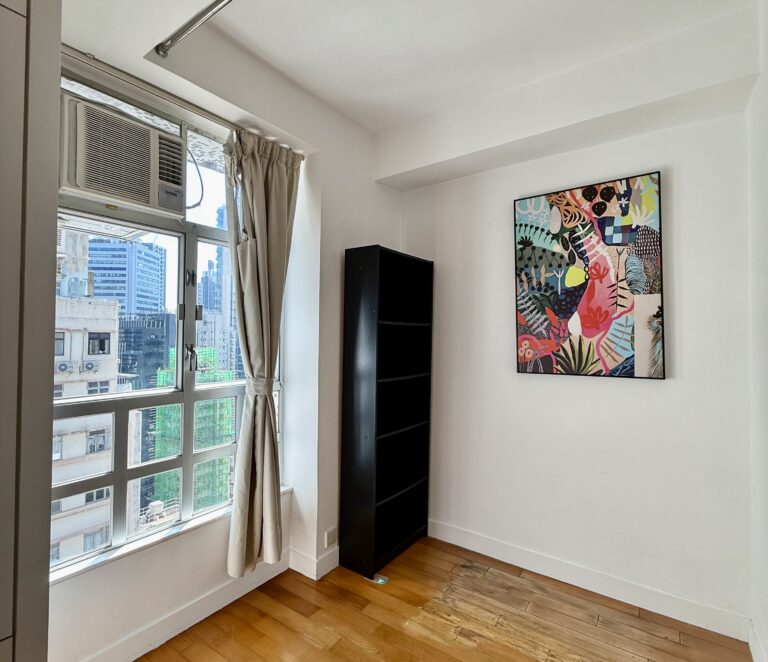
The immediate streetscape also influences rent. A building on a busy road may be convenient but less attractive to tenants sensitive to traffic noise. Conversely, a quieter side street with practical transport connections can support stronger demand. Views, natural light, and distance from neighboring buildings are especially meaningful in a dense city, where privacy and openness are not guaranteed.
Location carries a trade-off. A premium address alone will not overcome a difficult layout, dated interiors, or poor building upkeep. Equally, a well-presented home in an emerging or less central pocket may outperform expectations if it offers daily convenience and good value against nearby alternatives.
Size, layout, and usable space
Tenants pay for how an apartment lives, not just the number printed on a floor plan. A thoughtfully arranged 700-square-foot apartment can feel more valuable than a larger unit with dark corridors, awkward bedrooms, or an oversized entryway. Clear separation between living and sleeping areas, adequate storage, and room for a proper dining table or work desk can materially improve appeal.
Bedroom count matters, but it depends on the target tenant. A couple working from home may value a second bedroom as an office. A family may need bedrooms that genuinely fit beds, desks, and storage. Corporate tenants may prioritize a flexible layout that accommodates colleagues or visiting family. When comparing rental listings, landlords should look beyond gross area and assess the practical, usable space tenants experience.
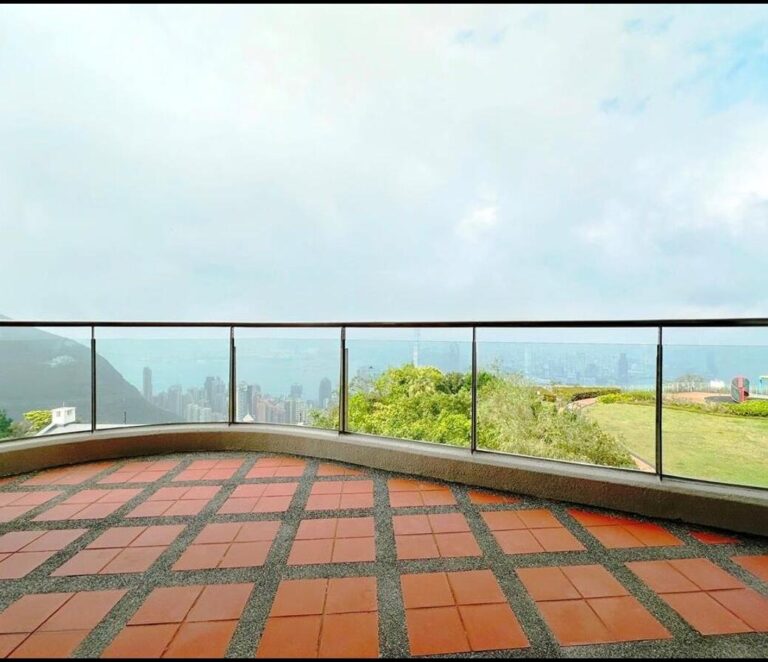
Outdoor space can add a meaningful premium when it is functional. A private terrace, balcony, rooftop, or garden is especially appealing when it is well maintained and usable for dining, pets, or children. A small outdoor area with limited privacy may still help a listing stand out, but it should be priced realistically rather than treated as a substitute for interior living space.
Condition and presentation shape perceived value
A clean, well-maintained apartment signals that the landlord is attentive and that the tenancy is likely to be straightforward. Fresh paint, functioning appliances, clean grout, properly sealed windows, and working air conditioning are basic expectations in the upper end of the rental market. Deferred maintenance can quickly undermine an otherwise attractive property.
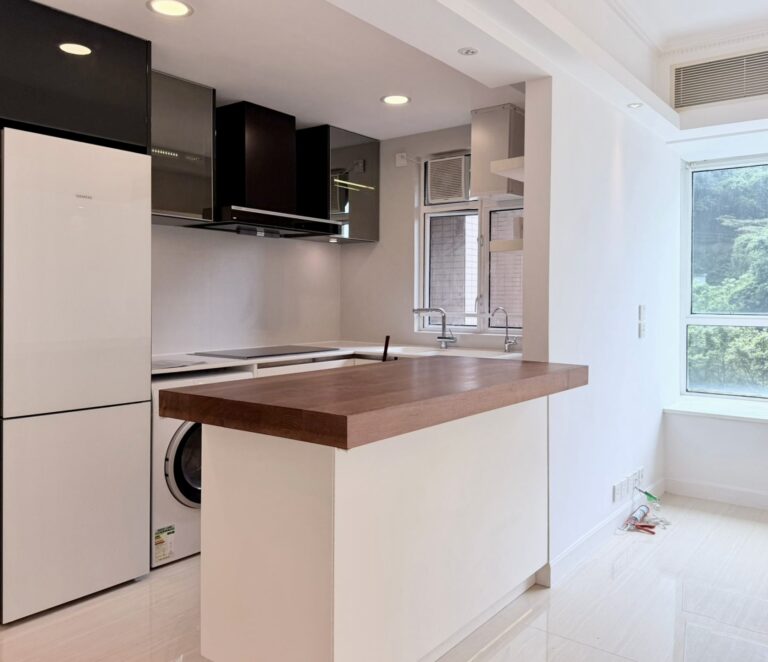
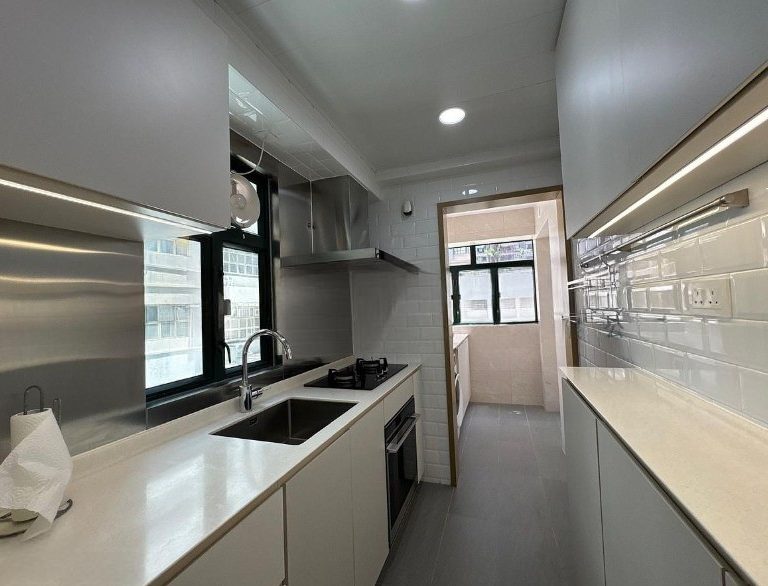
Renovations can support a higher rent when they solve real tenant needs. Updated kitchens and bathrooms, improved storage, modern lighting, and durable flooring tend to have broad appeal. Highly personal finishes may not. A costly renovation does not automatically justify a matching rent increase if competing homes offer a similar standard at a lower price.
Presentation also affects leasing speed. Professional photographs, a tidy viewing condition, and clear information about the apartment help tenants make decisions with confidence. An occupied property does not need to look staged, but clutter, dim rooms, and unresolved repair issues can create doubt and lead applicants to negotiate more aggressively.
Building Quality and Everyday Convenience
The apartment is only part of the tenant’s experience. Building age is less important than building condition, management quality, and the reliability of daily operations. A well-run older building with responsive security, clean common areas, and dependable elevators can compete effectively with newer developments.
Amenities can add value, particularly for families, expatriates, and busy professionals. Clubhouses, pools, gyms, play areas, shuttle buses, parking, and pet-friendly policies can widen the audience. However, amenities need to align with the likely tenant profile. A gym may matter more to a single professional than a large playroom, while convenient parking can be decisive for a family in a less central area.
Monthly building fees are usually paid by owners, but tenants still assess the overall value of the development. If a building has attractive facilities but the apartment is noticeably dated or poorly maintained, the full rental premium may be difficult to achieve.
Furnished, partially furnished, or unfurnished
Furniture changes both the target market and the appropriate rent. A well-equipped furnished apartment can appeal to expatriates, corporate relocations, and tenants who need a quick move. It may support a higher asking rent, but it also brings replacement costs, maintenance responsibilities, and a narrower style preference.
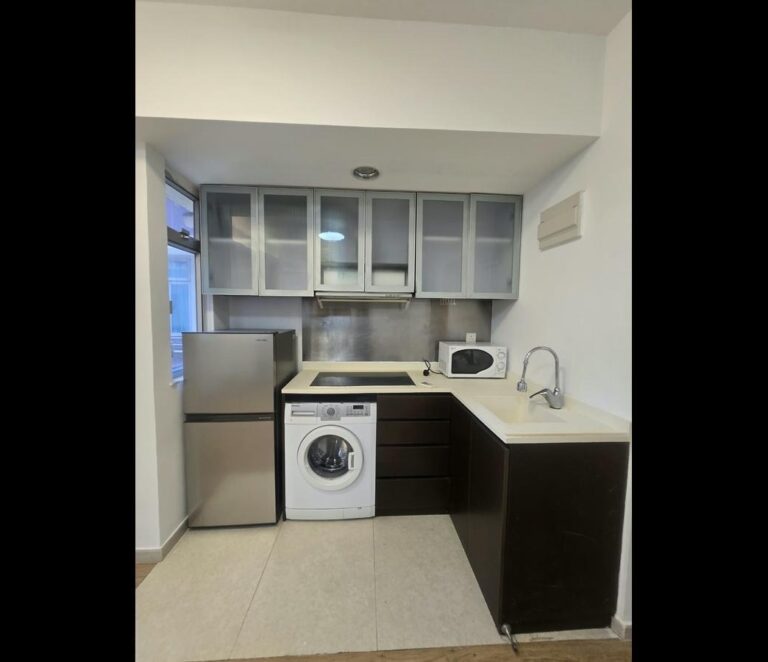
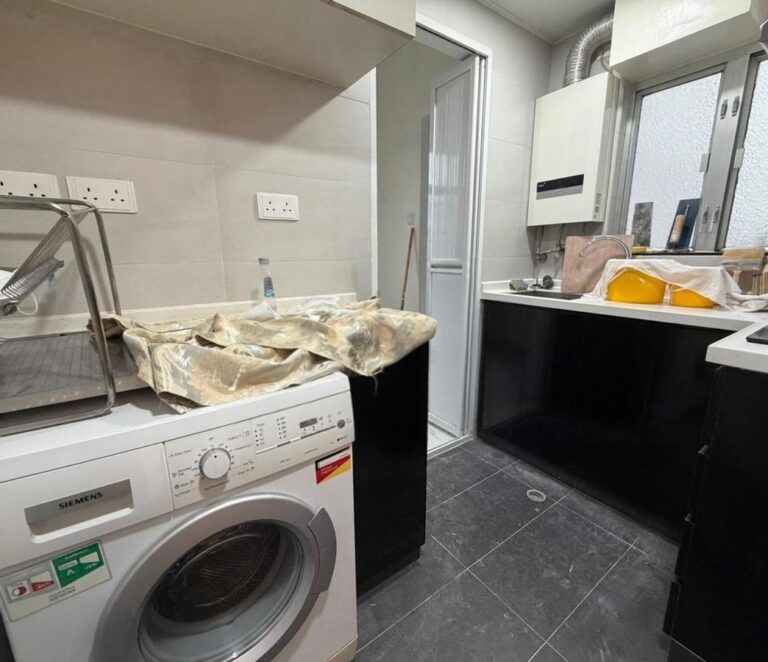
An unfurnished unit often suits long-term tenants who already own furnishings or want to create their own home. Partial furnishing can be a practical middle ground, particularly when it includes essential appliances, curtains, and built-in storage. The right approach depends on the apartment’s location, tenant profile, and likely lease duration.
Market Supply, Timing, and Comparable Homes
Even an excellent apartment has a market ceiling. Rental value is shaped by the number of comparable homes available at the same time, the pace of new tenant inquiries, and the expectations created by recently leased properties. Asking rents are useful reference points, but completed leases offer a more reliable indication of what tenants are actually prepared to pay.
Timing matters. Demand can strengthen around corporate relocation cycles, school calendars, and periods when professionals are more likely to move. Supply may also rise when several owners in the same development list similar units at once. In that situation, a landlord who insists on the highest possible price may face a longer vacancy, while a properly positioned listing can secure a quality tenant sooner.
A short vacancy can be more valuable than a slightly higher monthly asking rent. For example, holding out for an additional rent premium may not make financial sense if it leaves the apartment empty for several weeks. The best pricing decision considers expected rent, likely time on market, tenant quality, and the cost of a vacant property together.
Lease terms and landlord responsiveness
The proposed lease can influence the rent a tenant is willing to accept. Flexibility around move-in dates, reasonable renewal discussions, clear maintenance arrangements, and a professionally prepared inventory can make a property more competitive. Tenants often value certainty, particularly when relocating from overseas or coordinating a family move.
Responsiveness matters after the lease is signed as well. A landlord or property manager who addresses repairs promptly helps protect the apartment’s condition and encourages renewals. Retaining a good tenant can reduce vacancy, marketing costs, and wear associated with frequent turnover. For many owners, that stability is worth more than pursuing a marginal increase at every renewal.
How to Set a Defensible Rental Price
A defensible price begins with a close comparison of homes that a tenant would genuinely consider instead. Focus on similar building quality, usable size, floor level, view, furnishing level, and condition. Then adjust for meaningful differences rather than relying only on an average price per square foot.
Before listing, address visible maintenance issues and decide which tenant group the property is meant to serve. A family home should be marketed differently from a furnished executive apartment. Set an asking rent that leaves room for normal negotiation without placing the property outside the active search range for qualified tenants.
Rental value is ultimately a live market conversation between a property, its competition, and the people who may call it home. A careful local assessment, honest preparation, and attentive management give landlords the best chance to attract the right tenant and build lasting value beyond the first signed lease.