
Southern District Family Housing for Real Life
The best Southern District family housing decisions are rarely made from a floor plan alone. A third bedroom may look ideal online, but the daily reality also includes the school run, grocery trips, rainy-day transport, storage for sports gear, and whether everyone can settle into a home that feels calm after a long day. In this part of Hong Kong Island, lifestyle and logistics deserve equal weight.
For many families, the Southern District offers something that is difficult to find closer to the city’s commercial core: more breathing room, access to beaches and outdoor spaces, and residential communities with a slower rhythm. Those advantages can come with higher budgets, longer commutes, or fewer immediate retail options. The right choice depends on how your household actually lives.
What Defines Southern District Family Housing?
Southern District homes span a wide range of settings. Repulse Bay, South Bay, Deep Water Bay, Chung Hom Kok, Stanley, and Shek O are often considered by families seeking a coastal environment, while Pok Fu Lam can appeal to those who want a more convenient connection to Central and Western District. Housing choices include large apartments in managed developments, low-rise residences, townhouses, detached houses, and village-style homes in selected locations.
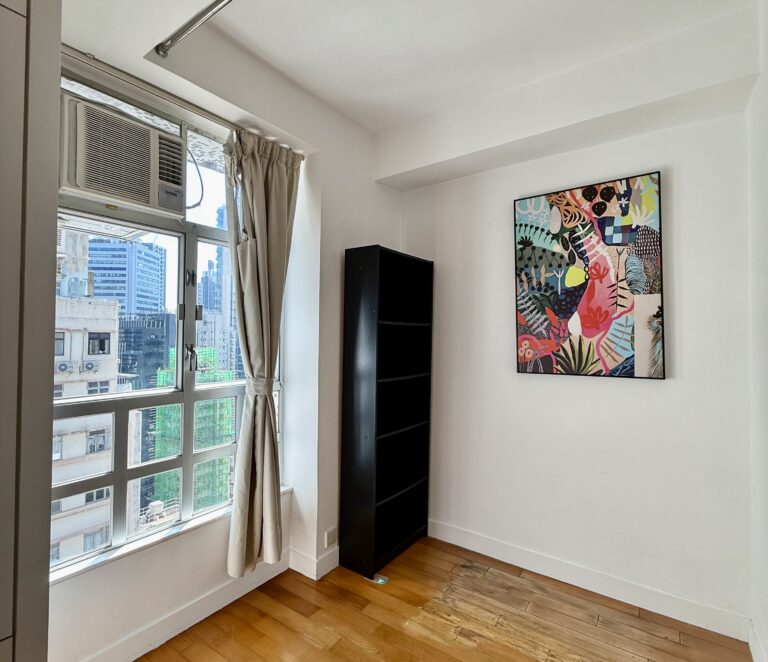
Space is a major attraction, but it should be assessed carefully. Two properties with the same stated square footage can feel entirely different when one has a practical rectangular layout, built-in storage, a usable helper’s room, or a balcony that functions as real family space. A home with an impressive view but narrow bedrooms may be less useful than a simpler property where children can study, play, and sleep comfortably.
For renters, the condition of the property matters just as much as its location. Ask what has been maintained recently, whether appliances will be replaced if needed, and who is responsible for repairs during the lease. For buyers, consider the building’s management standards, planned maintenance, monthly expenses, and the resale audience a future purchaser is likely to have. A well-kept home in a consistently desirable micro-location can be more resilient than a larger home with practical drawbacks.
Start With Your Family’s Non-Negotiables
Before viewing properties, agree on the few requirements that genuinely cannot be compromised. This is more useful than creating a long wish list. For one family, it may be a direct school bus route and three true bedrooms. For another, it may be step-free access, a parking space, or a home office that does not take over the dining table.
The most common trade-off is between interior space and convenience. A larger home farther south may provide room for growing children and visiting relatives, but it can add meaningful time to weekday travel. A more central Southern District location may reduce the commute while offering less space or a higher rental or purchase price. Neither option is automatically better. The deciding question is whether the extra travel or tighter layout will still feel manageable six months from now.
It also helps to distinguish between features that are difficult to change and those that can be improved. Layout, building access, neighborhood setting, and commute time are fixed. Paint, lighting, furniture, and some storage solutions are not. Families sometimes reject a well-located home because the finishes are dated, then later find that the more polished alternative creates a difficult daily routine.
Compare the Daily Route, Not Just the Address
A location can feel wonderfully peaceful at a weekend viewing and very different at 7:30 a.m. on a school day. Test the commute at the times your family will use it. Consider the journey to school, work, activities, medical appointments, and the places you rely on for groceries and household essentials.
Public transportation, school buses, taxis, private cars, and walking routes all matter in the Southern District. If you plan to drive, assess parking availability and the practical route in and out of the area. If a helper or older child will regularly use public transportation, look at the walking distance and elevation between the home and the nearest stop. A steep road, limited sidewalk, or exposed path may change how often a family uses local amenities.
Proximity to the coast is another example of a benefit that needs context. Beach access and weekend walks can be a meaningful part of family life, particularly for young children and active households. At the same time, homes near the water can be more exposed to weather, and a scenic location may be further from everyday services. Visit at different times if possible, including after rain and during an active traffic period.
Look Beyond Bedroom Count
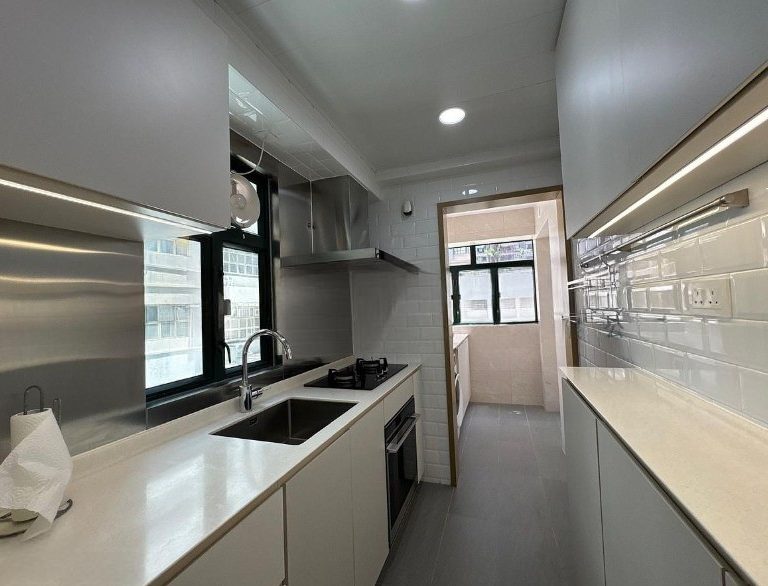
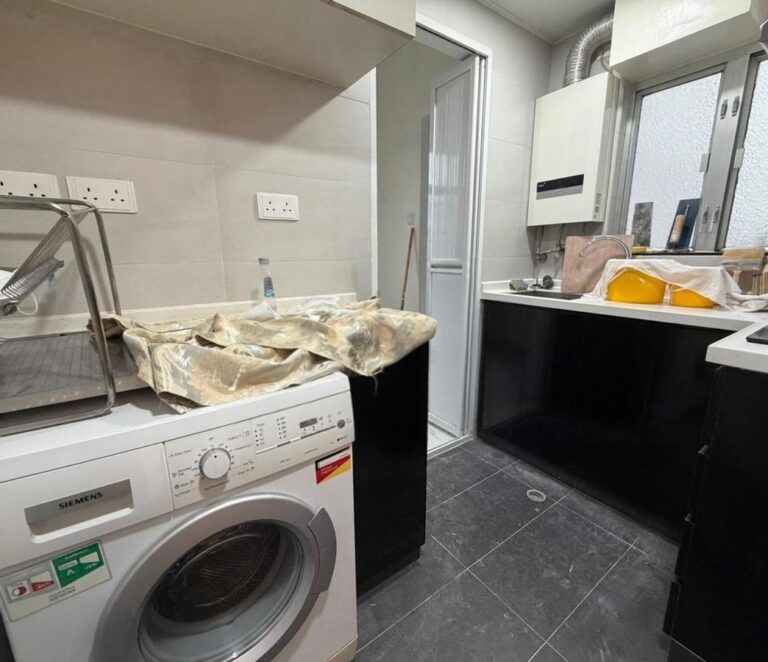
A family home needs to work in the ordinary moments that listings do not always show. During viewings, picture where school bags will go, how laundry will be managed, where strollers or bicycles can be stored, and whether the kitchen supports the way your household eats. Consider the location and size of the helper’s room where relevant, as well as the privacy and ventilation of every bedroom.
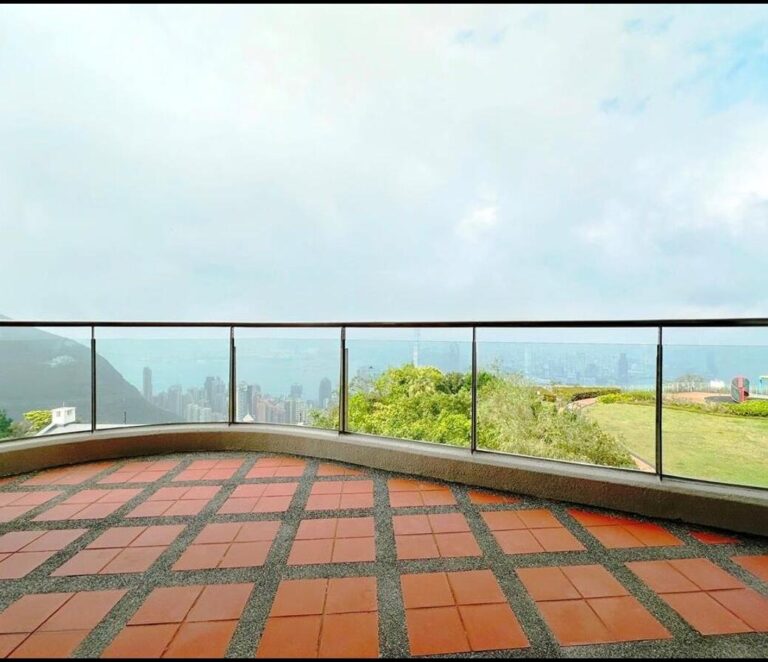
Outdoor space is valuable, but its usability varies. A large terrace can be excellent for children, pets, and entertaining, while a balcony may be better suited to quiet seating. Check safety features, drainage, shade, and the amount of maintenance required. A private garden may be a major draw, yet it also requires time and care that some busy families would rather avoid.
Building facilities can make a measurable difference, especially for families with younger children. A pool, playground, shuttle service, clubhouse, or on-site management team may simplify weekends and reduce the need to travel for recreation. However, these benefits can mean higher management fees or a busier development environment. It is worth deciding which facilities you will use frequently enough to justify the cost.
Renting and Buying Require Different Questions
Renting can be the right first step for families relocating to Hong Kong or testing a neighborhood before making a longer-term commitment. It allows you to learn the school and transport routine firsthand. The trade-off is less control over renovations and the possibility that the landlord’s plans may eventually require another move.
When leasing, clarify the term, break clause, renewal expectations, included appliances, parking arrangements, and repair process before signing. If the home is furnished, confirm precisely what will remain. A clear handover record, including photographs and a list of existing conditions, helps protect both tenant and landlord.
Buying offers greater stability and the freedom to adapt a home over time, but it requires a longer view. Consider not only your current household but also likely changes over the next several years. Will a child need a separate study area? Is there enough flexibility if parents visit for extended stays? Does the building appeal to the future buyer or tenant you may eventually need?
For owners, positioning a family property well means presenting its practical strengths, not just its view or designer finishes. Clear information about layout, storage, transport, nearby services, and building facilities helps attract tenants or buyers whose needs truly match the home. That usually leads to more productive viewings and stronger long-term tenancies.
A Better Way to View Southern District Family Housing
Try to view each home with a simple scorecard based on your non-negotiables: layout, commute, building condition, storage, outdoor space, budget, and neighborhood fit. Keep notes immediately after each viewing, because attractive interiors can blur together quickly. If you are comparing several homes, a practical record will reveal which properties solve the most important problems rather than simply creating the strongest first impression.
A knowledgeable local agent can also add value by identifying details that may not be obvious from a listing, such as road access, typical tenant profiles, building management practices, or how a particular area functions for school and work routines. Homewise Realty approaches the search as a family decision rather than a transaction, with attention to both the move-in process and what comes after.
The right home should make weekday life easier, not just make a strong impression on viewing day. When space, travel, budget, and neighborhood rhythm are considered together, Southern District living can give a family room to grow while keeping the city within reach.