
Top Questions Before Buying Property in Hong Kong
A beautiful apartment can make a fast decision feel easy. The view is open, the renovation is fresh, and the location puts work, schools, or family within reach. But the top questions before buying property are rarely answered by a viewing alone. In Hong Kong’s high-value residential market, a purchase deserves a closer look at the legal position, building condition, true monthly cost, and future flexibility of the home.
A well-chosen property should work for the life you expect to live now, while protecting your options if plans change. These are the questions worth asking before an offer is made.
Top Questions Before Buying Property: Is This the Right Home for My Plans?
Start with timing and purpose. Are you buying a primary residence for the next five to ten years, a pied-a-terre, a family upgrade, or an investment property? Each purpose changes what matters most. A buyer planning to stay for many years may prioritize layout, school access, and daily convenience. An investor may place more weight on rental demand, operating costs, and resale liquidity.
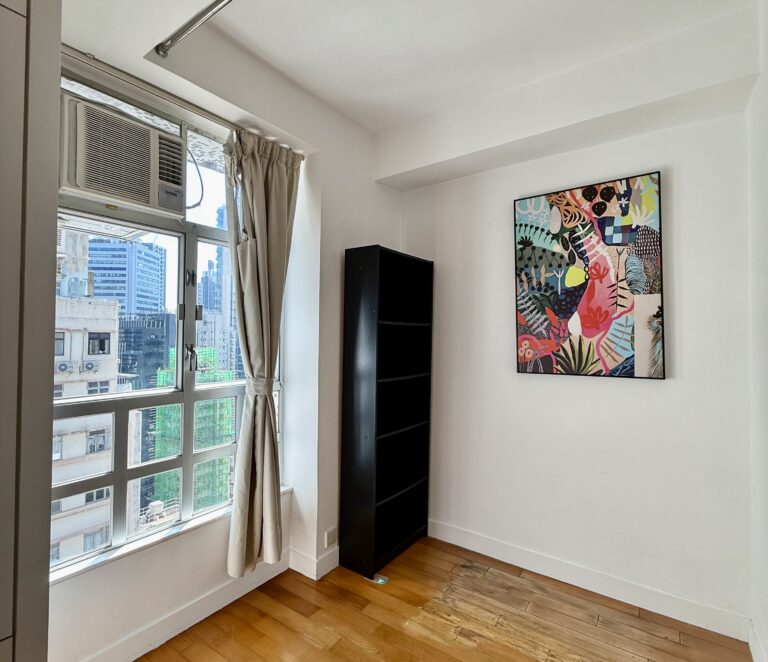
Be specific about how the home needs to function. A second bedroom that is technically present but cannot comfortably hold a bed and desk may not meet the needs of a growing family or a work-from-home household. Storage, ceiling height, natural light, elevator access, and space for household help can be as consequential as the square footage shown on a listing.
It also helps to consider what could change. A home near a business district may be ideal for a current commute but less compelling if work arrangements become more flexible. Conversely, a quieter Southern District address may offer more space and a different lifestyle, while requiring a longer trip to Central. There is no universally better choice. The right decision depends on the routines you are actually willing to maintain.
What Am I Really Paying Beyond the Purchase Price?
The purchase price is only the starting point. Buyers should build a complete budget before they negotiate, including stamp duties where applicable, legal fees, mortgage-related charges, agent commission, insurance, moving costs, and any renovation or furnishing work. Rules and tax treatments can change, particularly for non-local buyers, companies, and buyers who already own residential property, so confirm the current position with qualified legal and tax advisers before committing.
Monthly ownership costs deserve the same attention. Ask for the latest management fee, government rent and rates information, utility expectations, parking charges if relevant, and any recurring costs tied to club facilities or estate services. A lower-priced apartment with high monthly outgoings may be less affordable over time than a more expensive home in a better-managed building.
For an investment purchase, run a conservative rental calculation. Use realistic rent, allow for vacancy between tenancies, include management and maintenance, and do not assume every renovation cost can be recovered through higher rent. Gross yield can be a useful first reference, but net income after expenses gives a more meaningful picture.
What Is the Ownership and Title Position?
In Hong Kong, most residential properties are held under government leases rather than freehold ownership. Your solicitor should review the title and the relevant documents, but buyers should still understand the practical questions being examined. Is the seller able to give good title? Are there mortgages, legal charges, encumbrances, or outstanding orders that must be cleared before completion? Does the property include a parking space, roof, terrace, or other area stated in the sale particulars?
Ask whether any alterations have been made and whether they are properly documented. Enclosed balconies, modified layouts, rooftop structures, or changes involving common areas can create complications. A renovation that looks attractive at a viewing may carry legal, financing, insurance, or future resale concerns if approvals are missing.
The sale and purchase agreement is not simply paperwork to sign quickly in a competitive market. It sets the deposit arrangements, completion date, inclusions, and conditions of the transaction. Make sure the timetable works with your financing, sale of another home if relevant, and moving plans. If you need a particular condition, such as vacant possession or the removal of specified items, raise it early rather than relying on a verbal understanding.
Is the Building Well Managed and Financially Sound?
A good apartment in a poorly maintained building can become an expensive compromise. Ask about the age of the building, recent major works, planned projects, and the condition of common areas, lifts, exterior walls, plumbing, and drainage. Water pressure, noise, odors, and elevator wait times are easy to overlook during a short daytime viewing but can shape daily life.
Request available information on the owners’ corporation, management company, management fees, and any special contributions or major repair discussions. Large-scale maintenance projects may be necessary and beneficial, but buyers need to understand their likely financial exposure. An unusually low management fee is not automatically good news if it suggests that reserves or ongoing upkeep are insufficient.
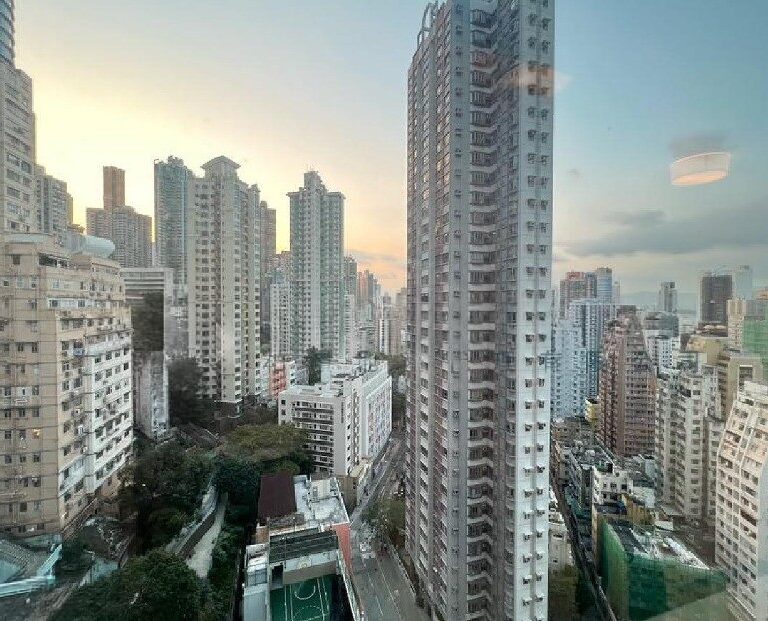
Visit more than once if possible. View at different times of day and on different days of the week. Morning light may reveal a neighboring construction site, while an evening visit can show traffic noise, restaurant activity, or how crowded the lobby and elevators become after work. In dense urban neighborhoods, the immediate surroundings matter as much as the unit itself.
How Much Financing Can I Reliably Secure?
Do not treat a bank’s initial estimate as final approval. Before making an offer, understand your borrowing capacity, down payment requirement, likely interest-rate exposure, and the valuation risk. A bank may value a property below the agreed purchase price, which can increase the cash you need to complete the transaction.
Ask your lender how it assesses the specific property type, age, lease terms, and any unusual features. Financing can be more complex for certain village houses, properties with unauthorized alterations, or units with a less straightforward ownership structure. If your income is earned in another currency or your compensation includes bonuses, commissions, or equity, clarify how those elements will be treated.
Stress-test the monthly payment. Consider whether you would still be comfortable if interest rates rise, a bonus is delayed, or household expenses increase. A purchase should leave room for ordinary life, not just the mortgage payment.
Does the Location Support Value, Rental Demand, and Resale?
Location is more than a district name. Within Central, Western, Eastern, and Southern areas, streets only a few minutes apart can offer very different transport links, school options, views, retail access, noise levels, and tenant profiles. Ask what makes the location desirable today and what may affect it tomorrow.
For example, a harbor view can command a premium, but buyers should investigate whether nearby redevelopment could alter that outlook. A home close to an MTR station may support renter demand and resale appeal, while a quieter hillside property may attract buyers who value privacy and space. Both can be strong choices, but they serve different markets.
Look at comparable sales and current competing listings rather than relying on a single asking price. The goal is not to predict every market movement. It is to understand whether the property’s price reflects its condition, floor level, orientation, layout, building quality, and genuine alternatives available to buyers.
What Should I Inspect Before Making an Offer?
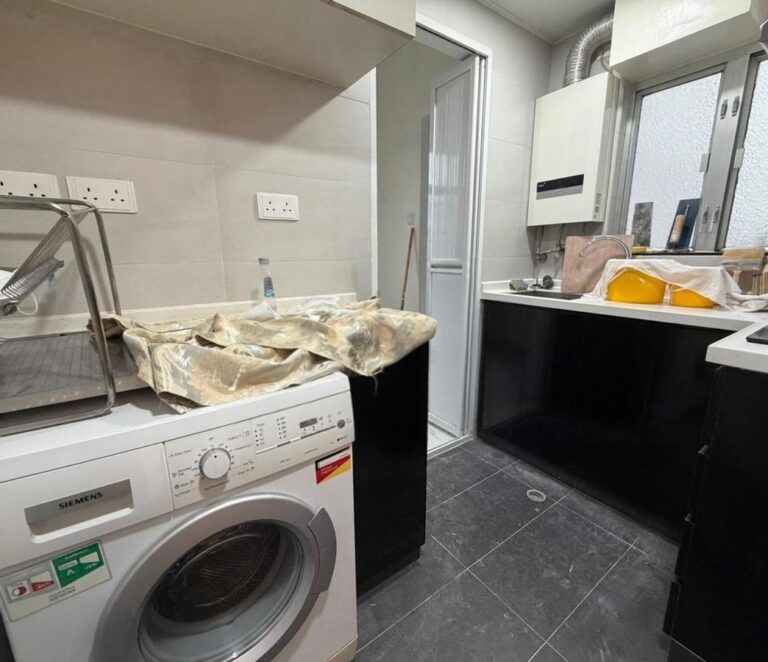
A viewing should become a practical inspection. Check for signs of water leakage around ceilings, windows, bathrooms, and air-conditioning units. Open cabinets beneath sinks, test water pressure where possible, listen for persistent road or construction noise, and look at the condition of windows, flooring, appliances, and bathroom fittings. In older properties, factor in the potential cost of electrical, plumbing, or waterproofing work even when finishes appear presentable.
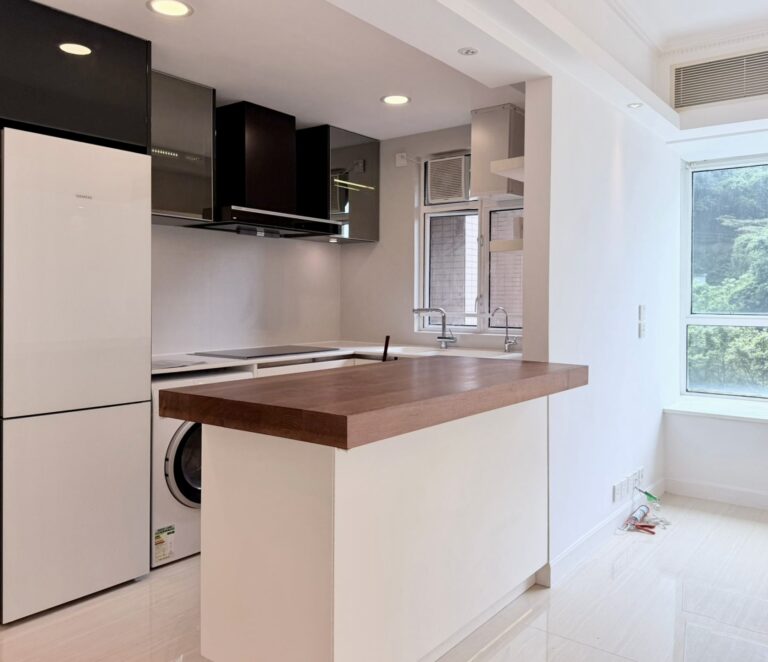
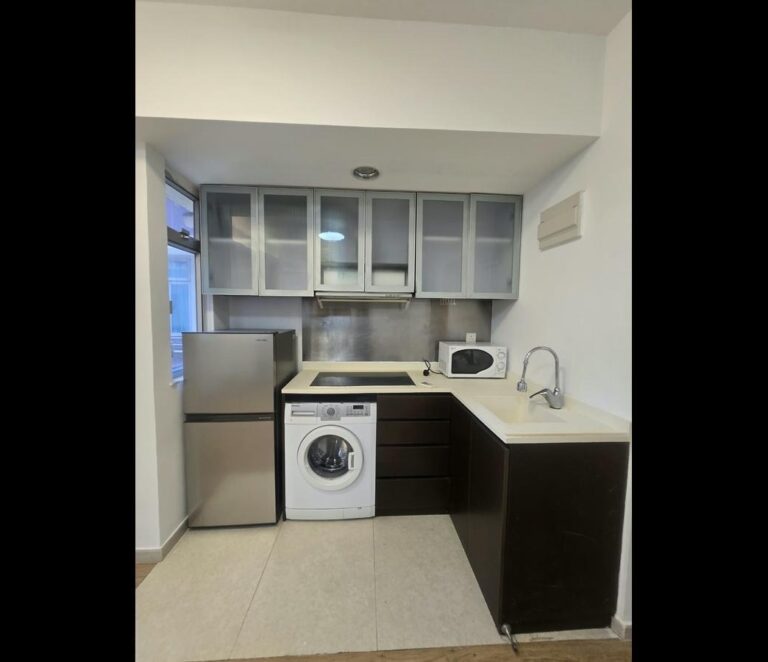
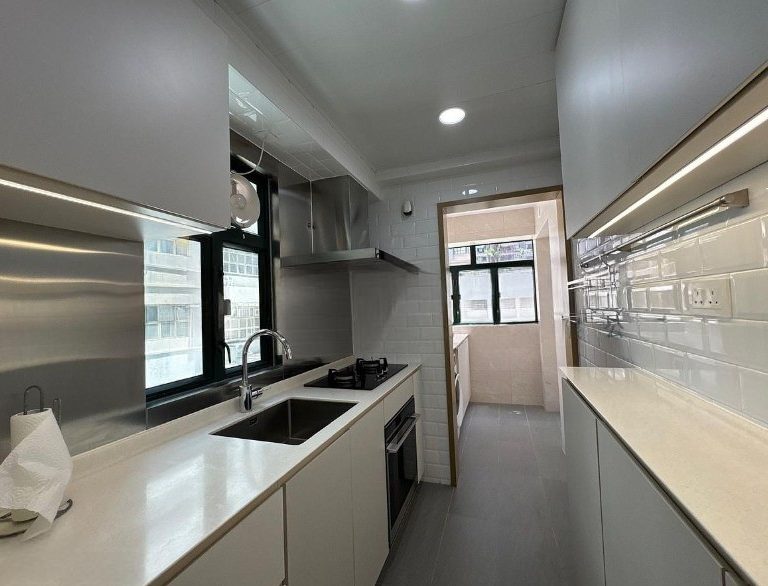
Ask what is included in the sale. Built-in appliances, wardrobes, light fixtures, and window treatments may be assumed to remain, but assumptions can lead to disputes. Clarify the condition of any included appliances as well. A luxury kitchen is less valuable if the refrigerator, oven, or ventilation system needs immediate replacement.
An experienced local agent can help you ask the right follow-up questions, compare the property with nearby alternatives, and coordinate the information needed for a confident decision. The best support does not end when an offer is accepted. It continues through negotiation, documentation, completion, and the practical issues that arise when the keys change hands.
A property purchase is a commitment, but it should not feel like a leap of faith. When the answers are clear, you can move forward knowing the home has been tested not only for its first impression, but for the life and value it is meant to hold.