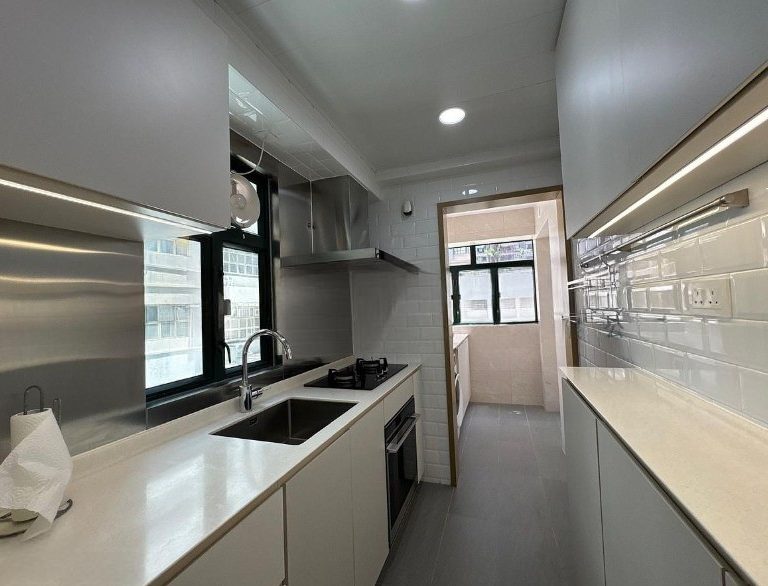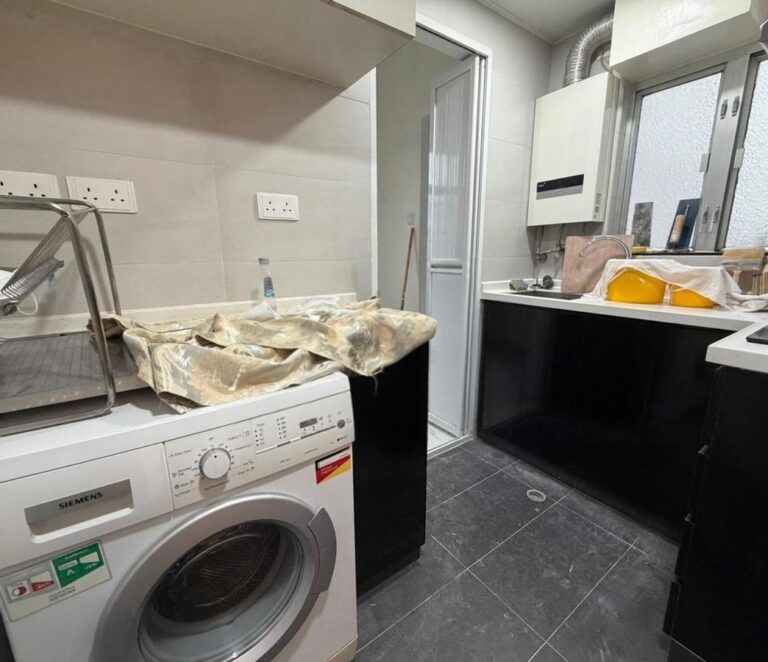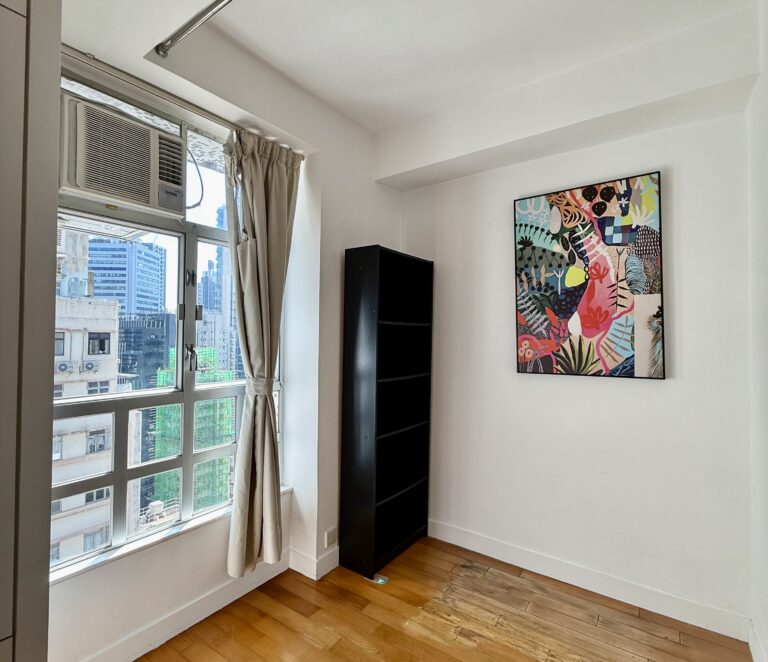

How to Prepare Flat Viewings in Hong Kong
A prospective tenant may decide how they feel about a flat before they reach the living room. The lobby, the light at the entrance, the temperature inside, and whether they can picture daily life there all shape the decision. Knowing how to prepare flat viewings means managing those small but meaningful details while presenting the home honestly. For Hong Kong owners and landlords, where time is limited and expectations are high, thoughtful preparation can make each appointment more productive.
Start with the Viewing Goal
Preparation looks slightly different depending on whether you are selling or leasing. A seller needs buyers to understand the home’s long-term value, layout, condition, and position within the building and neighborhood. A landlord needs an applicant to see a comfortable, well-maintained home that feels ready to move into.
In both cases, a viewing is not simply an open door. It is a chance to answer the questions a serious prospect may be quietly weighing: Is this flat cared for? Will the layout work for my routine? Are the finishes and appliances in good condition? Is the asking price supported by what I am seeing?
Set a clear goal before appointments begin. You may be trying to secure the best possible offer, attract well-qualified tenants quickly, minimize vacancy, or create interest in a property that has been available for a while. The goal informs the level of preparation, the timing of viewings, and which features deserve attention.
How to Prepare Flat Viewings Before Anyone Arrives
The most effective work happens before the first prospective buyer or tenant walks through the door. Start by viewing the flat as a visitor would. Stand at the entryway, look toward the windows, and note what catches your eye. Then walk through every room slowly. This often reveals minor issues that are easy to overlook when you live in or manage the property regularly.
Complete small repairs first
Loose handles, chipped paint, dripping taps, damaged sealant, burnt-out bulbs, and doors that do not close properly can signal neglect, even when the underlying property is in excellent condition. These are generally affordable fixes, but they affect confidence disproportionately.
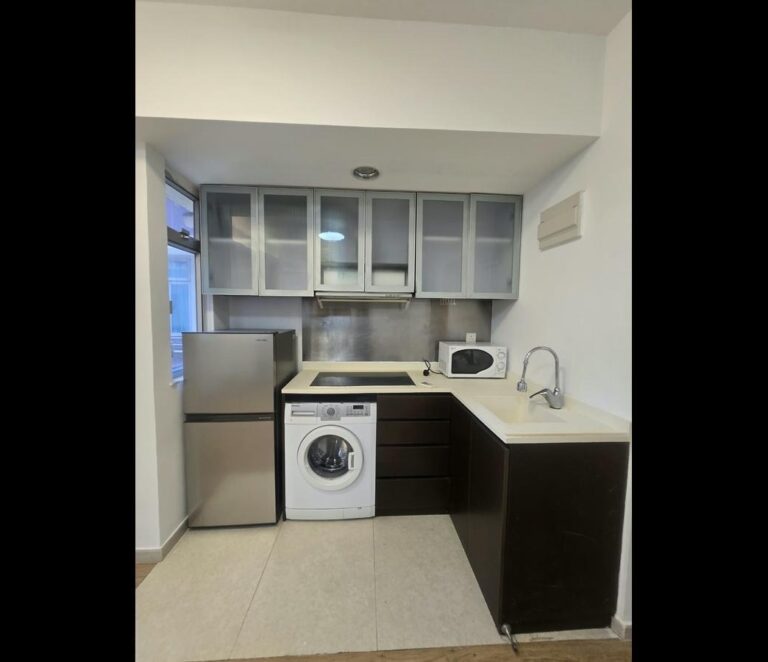
Focus first on items that a viewer will touch or notice at close range: light switches, cabinet doors, bathroom fittings, windows, air-conditioning controls, and kitchen appliances. If a repair will take time, be prepared to explain the plan and expected completion date. Do not promise work that has not been arranged.
For a tenanted flat, coordinate repairs with the occupant respectfully and provide reasonable notice. An occupied home can still show well, but convenience and privacy must be handled carefully.
Clean for inspection, not just appearance
A standard tidy-up is rarely enough for a viewing. The flat should look and feel maintained. Clean windows improve light, particularly in compact homes where brightness changes the sense of space. Pay close attention to bathrooms, kitchens, grout, mirrors, flooring, and the inside of storage areas that viewers are likely to open.
Avoid heavy fragrances. A neutral, fresh environment is preferable to a strong scent that can make people wonder what it is masking. Air out the home before the appointment when weather and building conditions allow, but balance this with outdoor noise, humidity, and air quality.
Reduce visual clutter
Hong Kong flats often need to work hard, with storage, workspaces, and family life sharing a limited footprint. Viewers understand this. The objective is not to make a home look empty or unrealistic, but to let them see the rooms, storage potential, and flow clearly.
Put away laundry, countertop appliances that are not in use, personal paperwork, pet supplies, excess shoes, and bulky items near windows or walkways. Clear kitchen and bathroom counters. If a room serves more than one purpose, arrange it so the main function is obvious. A small second bedroom may be a study, nursery, or guest room, but it should not feel like an unplanned storage area.
Personal photographs and distinctive decor do not have to disappear completely. However, reducing them helps buyers and tenants imagine their own life in the space.
Show the Flat at Its Best Time of Day
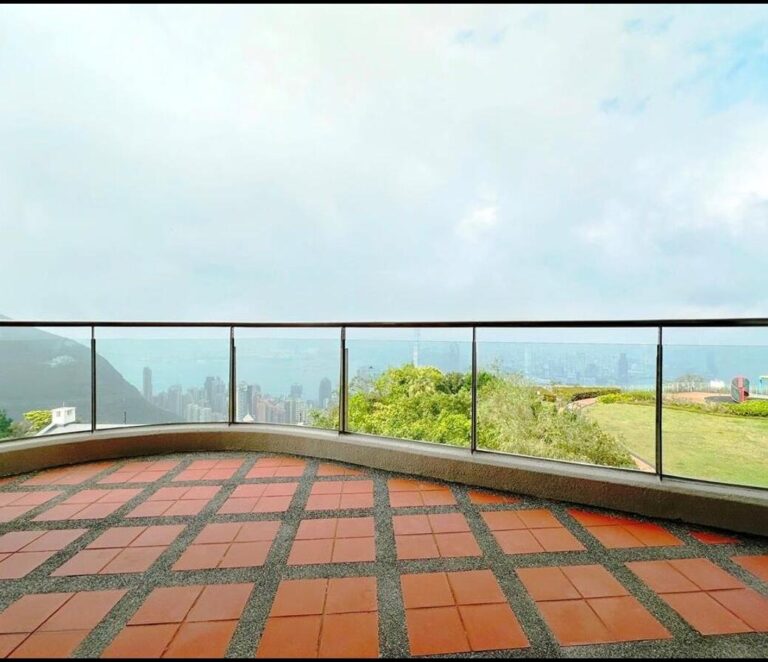
Light can transform a property, especially where views, window orientation, or a bright living area are major selling points. Whenever possible, schedule the first viewing at a time that highlights the flat’s natural strengths. A home with afternoon sun may be best shown later in the day, while a flat with an appealing morning outlook should be viewed earlier.
That said, the ideal time depends on the prospect. Working professionals may only be available after office hours. Families may prefer weekends. Investors might need a compact, efficient appointment between meetings. Flexibility creates more opportunities, but it should not mean accepting every inconvenient slot without preparation.
Before each viewing, turn on lights in interior rooms, close toilet lids, draw back curtains, and set the air-conditioning to a comfortable temperature. In a vacant flat, these details are particularly important. An unlit, warm, echoing apartment can feel less welcoming than the same home presented with care.
Prepare Information Buyers and Tenants Will Ask For
A well-presented flat earns attention. Accurate information builds trust. Keep the essential facts ready so that questions can be answered clearly during or shortly after the viewing.
For a sale, this may include the approximate saleable area, layout, building age, management fees, government rent or rates where applicable, renovation history, parking availability, and whether the property is subject to a tenancy. For a rental, prepare details on the lease term, monthly rent, deposit expectations, included appliances or furniture, maintenance responsibilities, move-in timing, and any building or landlord requirements.
Building access, visitor registration, elevator arrangements, clubhouse facilities, pet policies, and renovation hours can also matter. A flat may be an excellent match, but uncertainty about practical living arrangements can delay a decision.
Be precise about what is included. If curtains, built-in appliances, wardrobes, or furniture will remain, confirm this. If an item shown in the flat will be removed before completion or move-in, say so early. Clear expectations prevent unnecessary negotiation later.
Make the Viewing Easy to Attend
In busy districts, getting to the property and entering the building can be part of the experience. Confirm the meeting point, building entrance, unit access instructions, and any identification requirements in advance. If the building has security registration or limited visitor elevator access, allow time for it.
A qualified agent can also help manage the sequence of viewings, reduce disruption, and ensure prospects receive consistent property information. This is useful when an owner is overseas, a landlord has several units, or an occupied flat requires careful coordination. Homewise Realty can support owners through the practical details, from arranging appointments to gathering feedback after each visit.
For occupied properties, avoid scheduling a long string of appointments with no buffer. The resident deserves predictability, and the flat needs a few minutes to be reset between viewers. A rushed viewing can make even a strong property feel difficult to access.
During the Viewing, Guide Without Pressuring
Give viewers room to look around. Start with a brief introduction to the layout, then point out the features that are easy to miss, such as built-in storage, upgraded wiring, water pressure, window treatments, or the practicality of a utility area. If the home has a notable view, quiet aspect, convenient transport connection, or reputable school catchment, mention it naturally in context.
Do not overstate a feature or avoid direct questions about limitations. A lower-floor unit, smaller bedroom, nearby construction, or older building may be a concern for some people. Honest context is more persuasive than an overly polished answer. For example, a compact bedroom may be offset by unusually generous living space, while an older building may offer larger room proportions or a desirable location.
Let prospects open cabinets, inspect fittings, and look out windows. Buyers and tenants who take time to examine details are often more serious than those who rush through. Be available to answer questions, but avoid following them from room to room unless they ask for guidance.
Follow Up While the Viewing Is Fresh
The appointment does not end when the elevator doors close. Record who attended, what they asked, their level of interest, and any concerns raised. Feedback can reveal patterns. If several viewers comment that a room feels dark, for instance, better lighting or revised furniture placement may help. If the same question arises about appliances or terms, update the property information so future viewings are clearer.
Follow up promptly with serious prospects, particularly in an active market. Provide requested facts, clarify next steps, and confirm whether they wish to make an offer or submit a tenancy application. Prompt communication signals that the property is professionally managed and that decisions can move forward without avoidable delays.
A well-prepared flat does more than photograph well or create a pleasant first impression. It gives the right buyer or tenant confidence to take the next step, which is often the difference between interest and a real commitment.