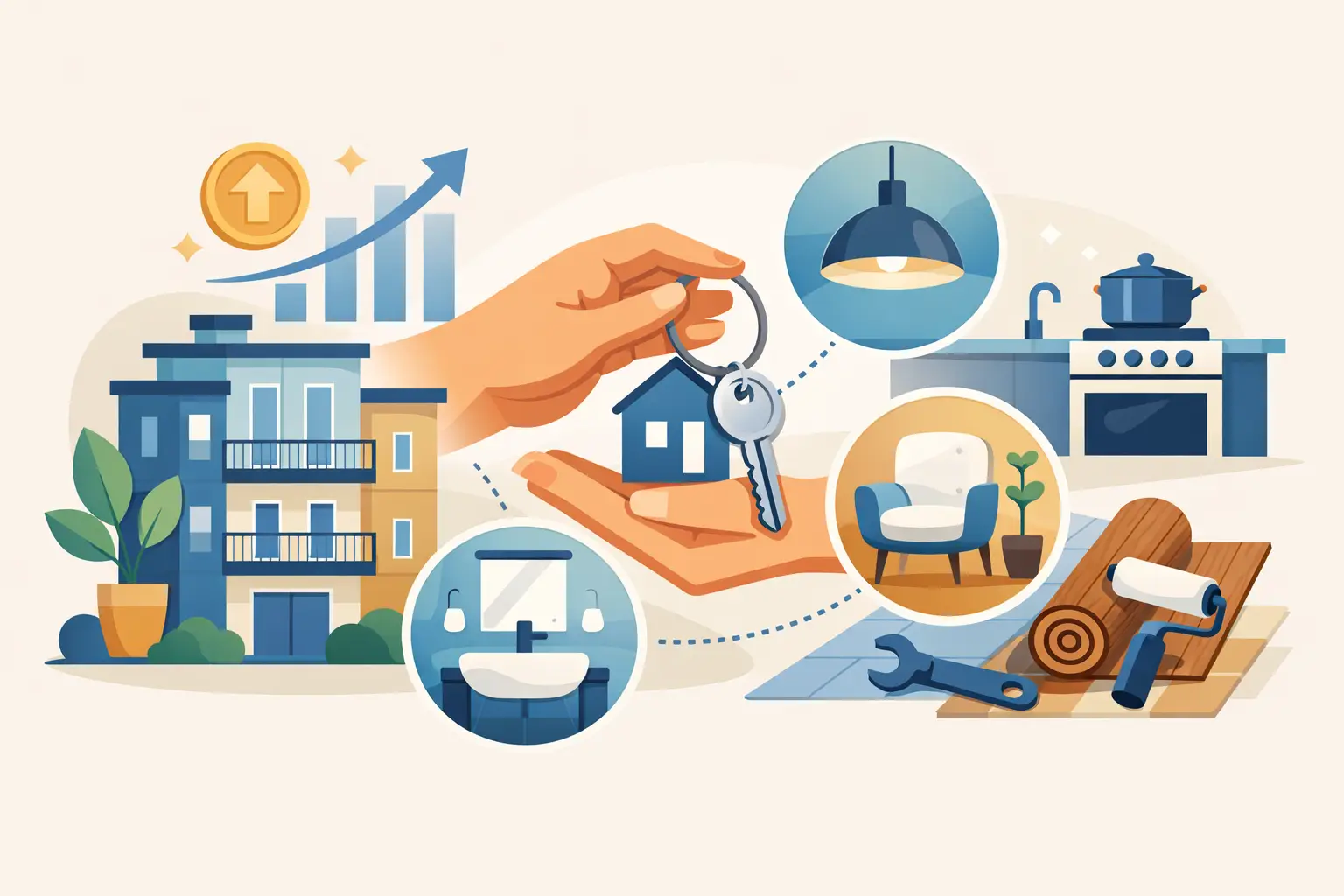
Best Upgrades for Rental Apartments That Pay Off
A tenant can form an opinion about an apartment before they have opened a cupboard or measured a bedroom. A dated light fitting, weak water pressure, stained grout, or a lack of practical storage can make an otherwise well-located home feel like work. The best upgrades for rental apartments address these everyday moments first. For landlords, the goal is not to make every unit look like a showroom. It is to create a home that photographs well, rents with confidence, and remains easier to maintain between tenancies.
In Hong Kong’s competitive residential market, the right improvement depends on the building, the expected tenant profile, and the rent level the property can realistically command. A premium finish may suit a renovated Mid-Levels apartment targeting executives, while a durable, clean refresh may deliver better value in a compact home for young professionals. Spending should follow a clear leasing strategy, not a trend.
Start With the Tenant, Not the Finish
Before choosing materials or calling contractors, consider who is most likely to rent the home. A family may prioritize storage, safety, and a functional kitchen. A corporate tenant may value reliable air conditioning, updated bathrooms, and a move-in-ready presentation. Professionals sharing an apartment may respond to flexible room layouts, good lighting, and enough power outlets for work-from-home routines.
Then look honestly at competing homes in the same district and building. If comparable apartments offer modern appliances, neutral interiors, and clean bathrooms, an untouched unit may sit longer even if the asking rent appears reasonable. On the other hand, installing highly specialized finishes that exceed the building’s usual standard may not produce a matching rental increase.
This is where local advice matters. Rental demand is shaped by more than square footage. Transport access, building facilities, school proximity, views, layout efficiency, and the quality of day-to-day upkeep all influence what tenants will pay.
Best Upgrades for Rental Apartments: Where to Spend First
The strongest upgrades combine visible appeal with practical value. They should help prospective tenants picture an easier life in the apartment while reducing avoidable repair calls for the owner.
Refresh the kitchen without rebuilding it
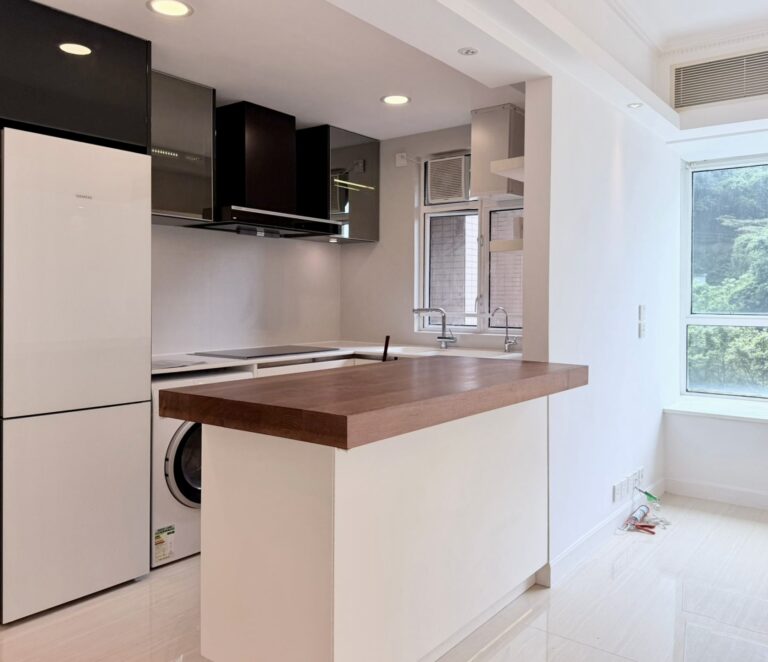
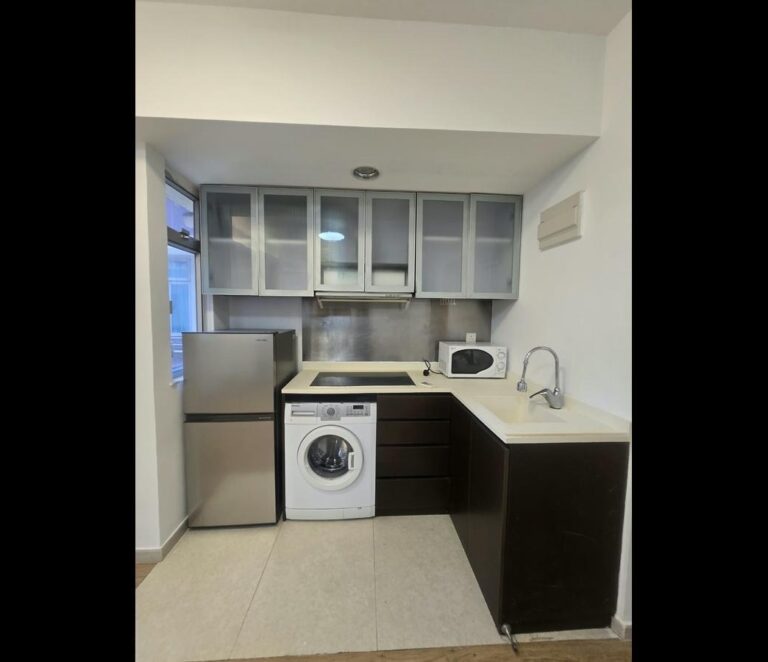
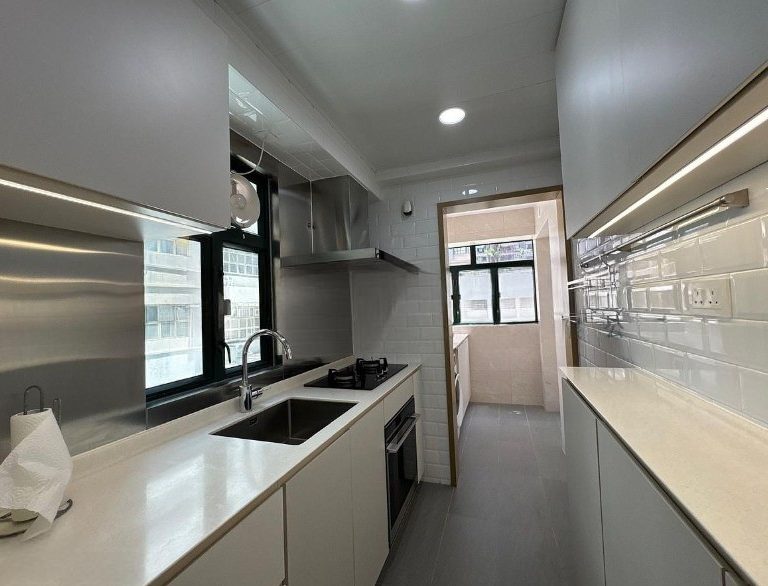
A full kitchen replacement is not always necessary. If the cabinet layout works and the plumbing is sound, a focused refresh can make a substantial difference. Replace damaged cabinet fronts or hardware, repair loose hinges, renew worn countertop edges, and install a clean, easy-to-maintain backsplash where appropriate. A deep clean of grout, extractor filters, and appliances is equally important.
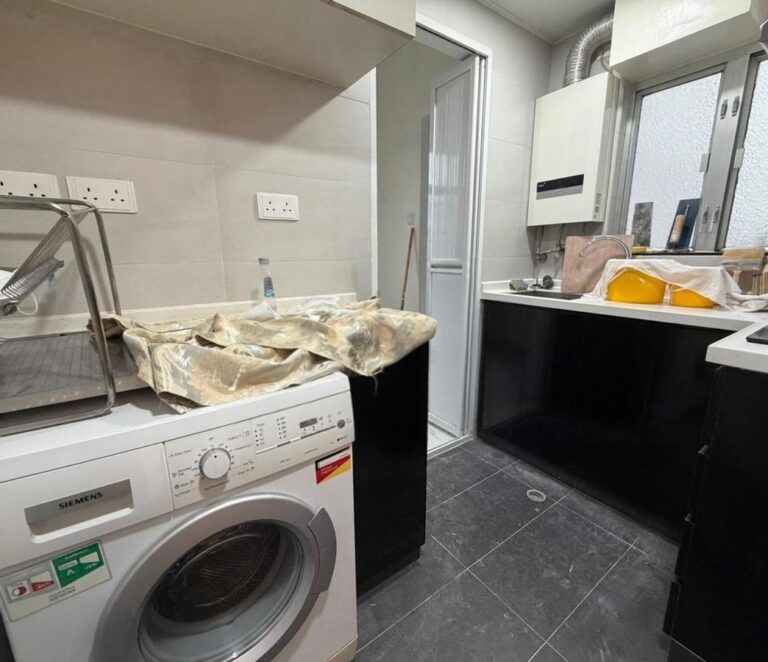
Reliable appliances often matter more than luxury brands. An efficient refrigerator, induction or gas cooktop in good condition, washer-dryer, and properly functioning range hood signal that the apartment is ready for daily use. For furnished rentals, consistent finishes and appliances that are straightforward to operate are usually more valuable than an impressive but complicated feature.
Choose durable surfaces in neutral tones. White can look fresh but may show marks quickly in a high-turnover apartment. Mid-tone stone-look counters, quality laminate, and simple hardware can provide a polished look without creating an expensive replacement cycle.
Make the bathroom feel clean, bright, and dependable
Bathrooms have an outsized effect on tenant perception because problems there are immediately visible. Cracked sealant, stained grout, rusty fixtures, poor drainage, or an aging exhaust fan can make a unit feel neglected, even when the rest of the apartment is in good order.
Start with the essentials: reseal wet areas, repair leaks, replace worn shower hoses and taps, improve drainage, and confirm the water heater is operating safely and consistently. A new mirror cabinet, brighter vanity light, modern faucet, or updated shower screen can lift the room without the cost and disruption of moving plumbing.
A full renovation is worth considering when waterproofing is suspect, the layout is genuinely impractical, or repeated repairs are becoming costly. Otherwise, avoid changing a functioning layout simply for fashion. Bathroom work can involve building rules, contractor access restrictions, and longer vacancy periods, so the return should be clear before work begins.
Add storage that fits the apartment
In compact apartments, storage is not an extra. It is part of the usable living space. Built-in wardrobes with sensible internal shelving, entry storage for shoes, and cabinets that use vertical space can make a home feel more organized without increasing its footprint.
Focus on storage that is durable and easy for a future tenant to understand. Deep drawers, adjustable shelves, and simple closet configurations are more flexible than highly customized compartments. If a built-in unit reduces a bedroom’s usable area or makes the layout feel cramped, it may work against the rental appeal. Measure carefully and preserve clear circulation around doors and windows.
Upgrade lighting and electrical convenience
Poor lighting makes even a well-kept apartment look tired in viewings and listing photography. Replace yellowed or mismatched fixtures with simple, modern options and use warm-to-neutral white light that flatters living areas. Bright task lighting in kitchens and bathrooms is particularly worthwhile.
Electrical upgrades should be handled by qualified professionals. Additional outlets near desks, beds, and kitchen work areas can be a meaningful advantage for tenants who work from home or charge several devices. Check switches, outlets, circuit capacity, and any visible wiring as part of the same review.
Smart features can be useful, but only when they are reliable. A digital door lock, programmable lighting, or energy-monitoring air-conditioning control may appeal to some tenants. However, proprietary systems that require frequent troubleshooting can create management headaches. Choose products with clear instructions, dependable support, and manual backup options.
Prioritize comfort, air quality, and maintenance prevention
Many of the best investments are not the most glamorous. Servicing air-conditioning units, replacing filters, treating signs of damp, repairing window seals, and improving ventilation can protect the apartment and improve the tenant experience from the first week of the lease.
Air conditioning deserves particular attention in Hong Kong. Units should cool effectively, drain properly, and operate without excessive noise or odor. Water leaks and condensation can damage finishes, disrupt tenants, and lead to larger repair costs if they are ignored.
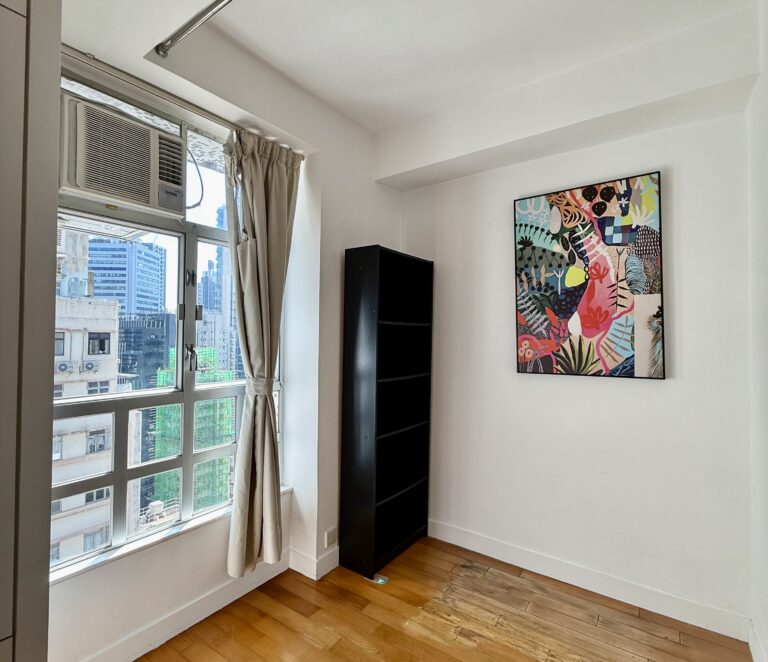
Window treatments also deserve a practical review. Well-fitted blinds or curtains provide privacy, light control, and a more finished appearance. Select materials that can withstand sunlight and are easy to clean. If window hardware is stiff or insecure, repair it before marketing the property rather than leaving it for a tenant to discover.
Set a Budget Around Rental Return, Not Personal Taste
An upgrade should have a job to do. It may help achieve a higher rent, reduce vacancy, attract a more reliable tenant profile, prevent recurring maintenance, or protect the value of the property. If it does none of these, it may be a personal preference rather than an investment decision.
Use four questions before approving substantial work:
- Will this feature be visible and meaningful during a viewing?
- Does it solve a frequent tenant complaint or maintenance issue?
- Is it consistent with comparable homes at the target rent?
- Can it withstand normal use and be repaired without major disruption?
A simple rental-ready refresh often includes repainting in neutral colors, professional cleaning, minor carpentry repairs, refreshed silicone and grout, serviced appliances, and updated lights. This package can be more effective than one expensive statement feature because it improves the whole impression of care.
Keep records of warranties, appliance manuals, paint colors, contractor details, and maintenance dates. This makes future turnovers faster and gives property managers a clear reference when coordinating repairs. It also helps distinguish fair wear and tear from tenant-caused damage at the end of a tenancy.
Plan the Work Between Tenancies
The period between tenants is usually the best time to complete upgrades, but timing needs to be managed carefully. Rushing a renovation can extend vacancy if materials are delayed or defects require rework. Begin with a condition inspection as soon as notice is received, then identify essential repairs, improvements that support the next lease, and any work that can wait.
Confirm building management requirements before scheduling noisy work, deliveries, or contractor access. Some buildings have restricted work hours, deposit procedures, and rules for alterations. If the apartment is occupied, limit intrusive work and set expectations with the tenant in writing.
Once the work is complete, invest in professional cleaning and strong photography. A well-maintained apartment deserves to be presented accurately. Clear, bright images and a home that is ready for viewing can shorten the path from inquiry to signed lease.
The most successful rental apartments do not depend on a single dramatic renovation. They feel cared for at every touchpoint: the door opens smoothly, the air conditioning works, the bathroom is fresh, the kitchen is usable, and there is a sensible place to put everyday belongings. That standard of readiness gives tenants confidence and gives landlords a stronger foundation for a stable, well-managed lease.