
Mid Levels Rentals for Hong Kong Professionals
The right apartment can change the rhythm of a Hong Kong workweek. A shorter ride to Central, a quieter bedroom after dark, or enough space for a home office can make a meaningful difference. Mid Levels rentals appeal to tenants who want that balance: close access to the city’s business and dining districts, with a more residential setting above the busiest streets.
The area is not one single neighborhood, and treating it that way can lead to an inefficient search. Buildings, road access, layouts, rents, and daily conveniences vary considerably from one part of Mid-Levels to another. A successful rental search begins with an honest picture of how you live, work, and move around Hong Kong.
Why Mid Levels Rentals Remain in Demand
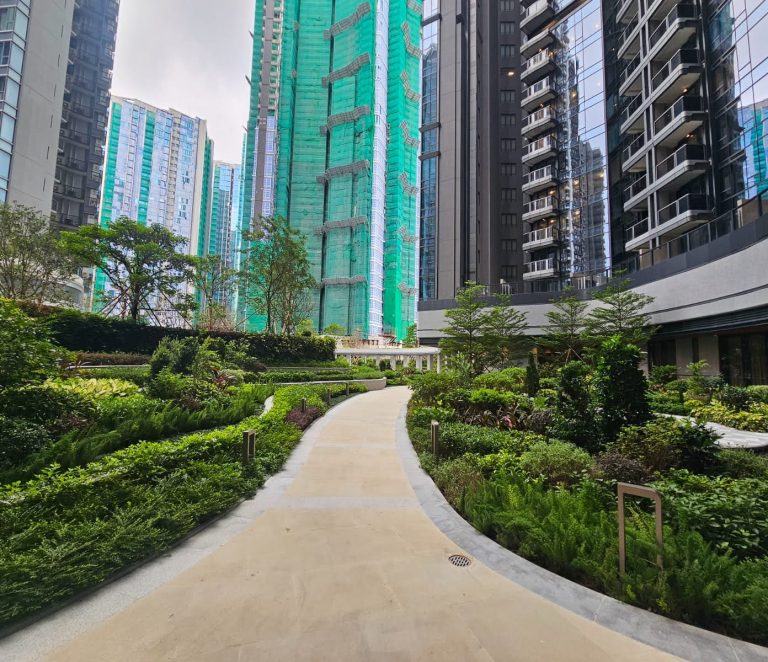
Mid-Levels has long attracted professionals, expatriates, families, and corporate tenants who value proximity to Central without living directly in its commercial core. Many properties offer larger layouts than comparable homes in the most central locations, while selected buildings provide facilities such as clubhouses, pools, gyms, children’s play areas, and shuttle arrangements.
For some tenants, the appeal is practical. They may work in Central, Admiralty, Wan Chai, or Quarry Bay and want a home that is convenient for both office days and weekends. For others, it is about lifestyle: quieter residential roads, green views, access to walking routes, and a greater sense of separation between home and work.
That convenience comes with trade-offs. The slope that gives Mid-Levels its views and privacy can also affect walkability. A property that looks close to Central on a map may involve steep roads, limited taxi availability at peak times, or a reliance on escalators, minibuses, private shuttles, and private transport. The best choice depends on the commute you will actually make, not the one that looks most attractive in a listing photo.
Choose the Right Part of Mid-Levels
Mid-Levels Central, Mid-Levels West, and Mid-Levels East each offer a distinct experience. The right fit depends on where you work, what you do after hours, and whether your household prioritizes transport, space, schools, or a particular community feel.
Mid-Levels Central
This area suits tenants who want fast access to Central, Soho, and the Central-Mid-Levels Escalator corridor. It can be especially appealing for professionals with demanding schedules and an active social calendar. Buildings range from established low-density residences to modern developments with extensive facilities.
The key question is how close the home is to your preferred transport route. An apartment near the escalator may feel much more connected to Central than one at a similar elevation on a less direct road. At viewing, test the route at the time you expect to use it.
Mid-Levels West
Mid-Levels West is often considered by tenants who want access to Central and the Western District, including Sai Ying Pun and Kennedy Town. It offers a mix of older, characterful buildings and newer developments, with options that may provide more usable space or different value than properties closer to the heart of Central.
This area can work well for renters who appreciate neighborhood restaurants, MTR access from the west side, and a less corporate atmosphere. However, building age varies widely. A generous floor plan is valuable only if the condition, management, elevator service, and maintenance standards suit your expectations.
Mid-Levels East
For tenants working in Admiralty, Wan Chai, Causeway Bay, or the eastern business districts, Mid-Levels East may offer a better daily route. It is also a frequent choice for families seeking larger apartments, recreational facilities, and access to schools or clubs.
Some homes here feel more private and residential, particularly in lower-density buildings. The trade-off may be less immediate access to Central’s restaurants and nightlife. For many households, that is a benefit rather than a drawback.
Define Your Non-Negotiables Before Viewing
Rental searches move quickly, particularly when well-priced homes come to market. Before arranging viewings, decide which features are essential and which are simply preferred. This avoids spending time on apartments that look appealing online but do not work in practice.
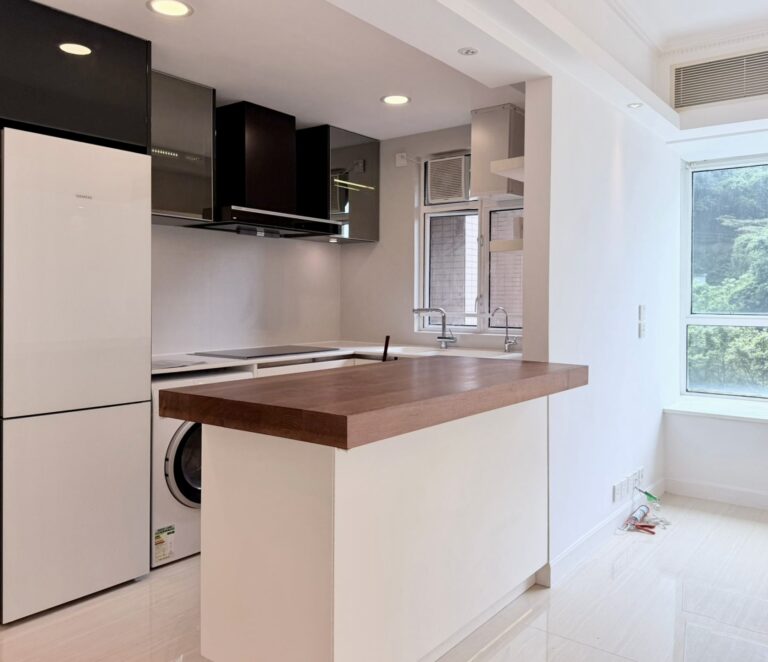
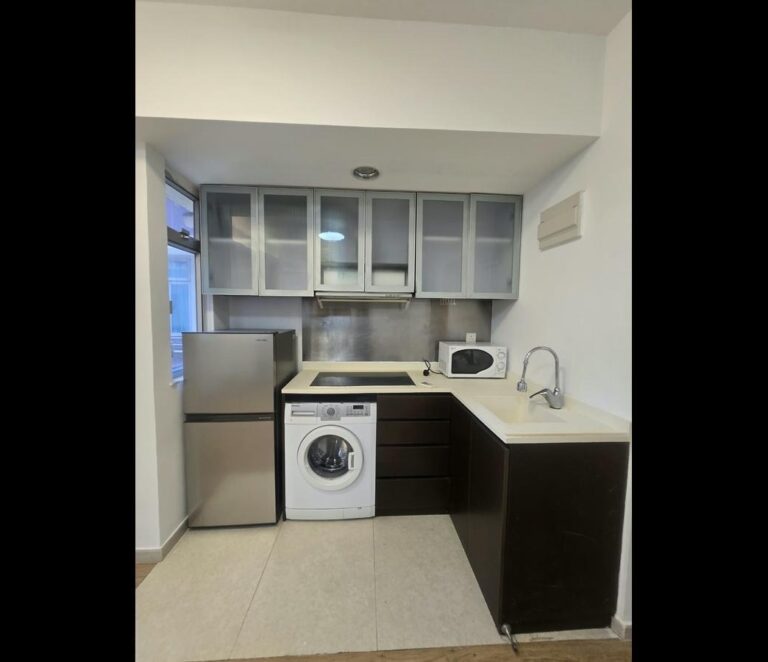
Start with the number of bedrooms, usable living space, maximum monthly rent, move-in date, and commute. Then consider the details that are harder to change after signing: natural light, road noise, storage, kitchen condition, maid’s room requirements, pet policy, parking needs, and building facilities.
For families, the layout often matters more than headline square footage. A well-proportioned three-bedroom home with proper bedroom separation may work better than a larger unit with awkward corridors or a small living area. For a couple or individual renter, a flexible second bedroom that can serve as a study may be more useful than an extra formal room.
If you work from home regularly, view the apartment at a time when you can assess noise. Traffic, construction, nearby school activity, and building renovation can be difficult to judge from a short afternoon appointment. Ask about planned works in the building and surrounding area when relevant.
Look Beyond the Apartment Door
A rental home is also the building and the route to it. This is particularly true in Mid-Levels, where access and management standards can shape the experience as much as an apartment’s interiors.
During a viewing, check the lobby, elevators, mail area, common corridors, and security arrangements. Notice how long the elevator takes, whether the entrance is convenient for strollers or groceries, and where taxis can stop. If the building has a shuttle bus, confirm its route, frequency, operating hours, and whether it fits your actual schedule.
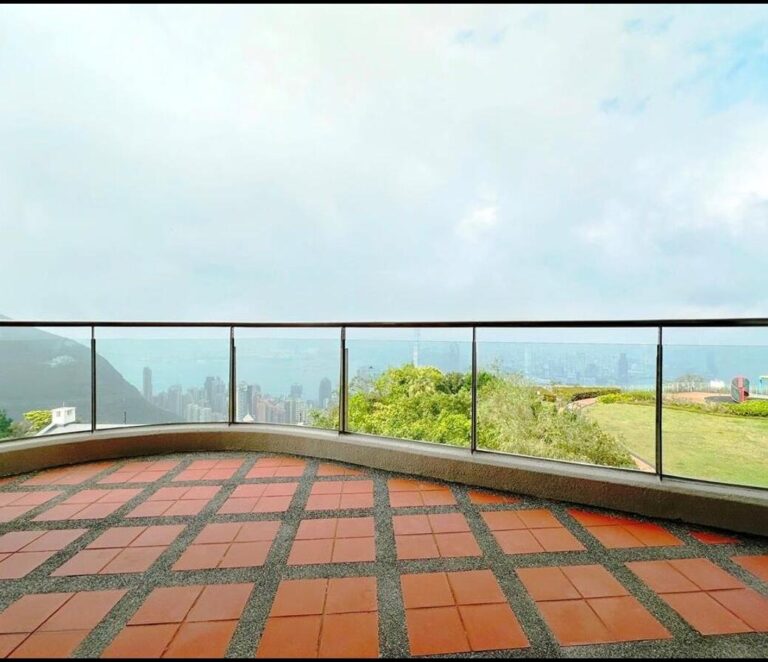
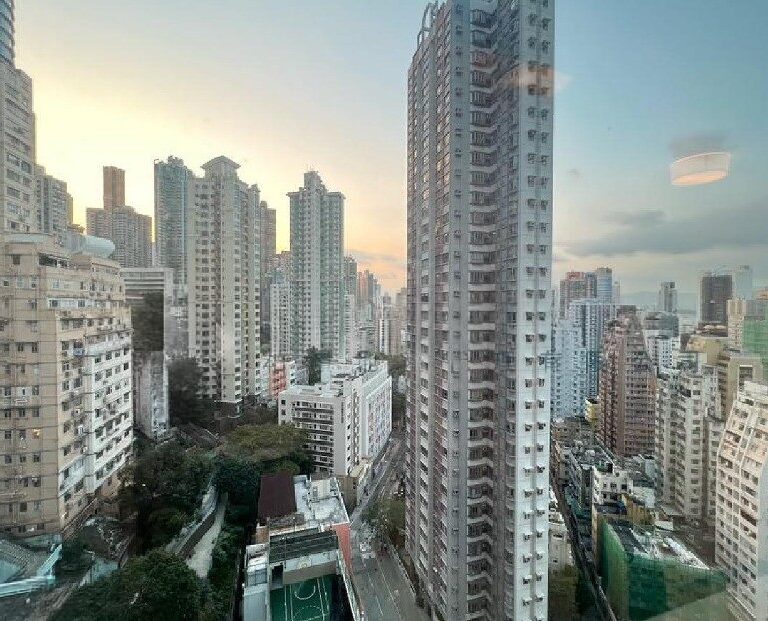
For homes with views, ask whether nearby construction or redevelopment could change the outlook. For higher-floor apartments, confirm the water pressure, mobile reception, and internet options. These are small questions, but they can prevent avoidable frustration after move-in.
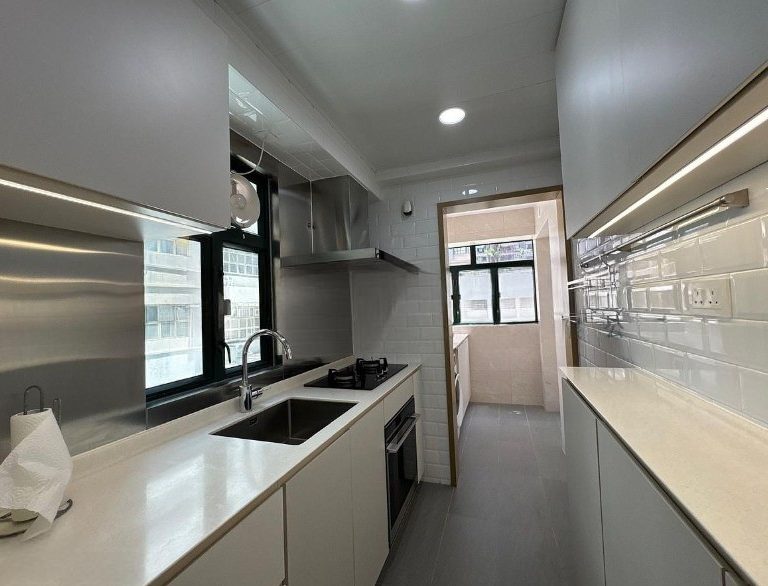
Tenants should also understand the difference between a recently renovated unit and a well-maintained building. A new kitchen and fresh paint may be attractive, but reliable management, responsive repair procedures, and sound building upkeep are equally important over the course of a lease.
Budget for the Full Cost of Renting
The monthly rent is only one part of the commitment. Before making an offer, clarify the deposit, advance rent, agency commission, stamp duty, utility arrangements, management fees where applicable, parking charges, and any costs connected to building facilities.
Lease terms deserve the same attention as the property itself. In Hong Kong, many residential leases are structured around a fixed initial term with provisions for renewal or early termination. The exact terms are negotiable and should be reviewed carefully before signing. If a break clause, diplomatic clause, rent-free period, or landlord repair commitment is important to you, raise it early rather than assuming it will be included later.
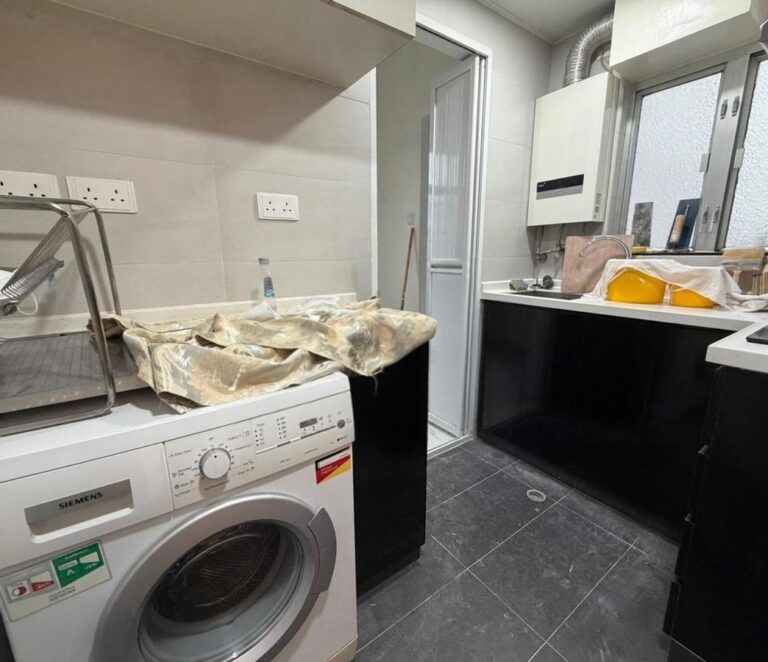
A clear inventory and condition record are also worthwhile. Photograph existing wear, list furnished items, and confirm which appliances belong to the landlord. This creates a useful reference at handover and can make the move-out process more straightforward.
Make Viewings More Productive
Seeing several homes in one day can blur the differences between them. Keep simple notes after each viewing, focusing on the factors you cannot see in listing photographs: light, noise, layout flow, access, building condition, and the feel of the immediate street.
Try to compare like with like. A newer building with a clubhouse may justify a higher rent for a tenant who will use those facilities often. An older building with a larger saleable layout may provide better value for a family that prioritizes space. Neither option is automatically better.
It is also worth distinguishing between an apartment you like and one you would be comfortable committing to for a full lease term. A beautiful view may be compelling, but a difficult daily commute or inadequate storage can become tiring quickly. The strongest choice is usually the home that works on an ordinary Tuesday, not only on viewing day.
Guidance for Landlords Offering Mid-Levels Homes
For landlords, Mid-Levels remains a competitive rental market where presentation and pricing matter. Tenants compare not only apartments but also condition, building facilities, access, furnishing quality, and the responsiveness of the owner or manager.
A property should be clean, well-lit, and ready to view. Addressing minor repairs before marketing, organizing keys and access, and preparing accurate details on layout, facilities, availability, and lease expectations helps attract more qualified inquiries. Pricing should reflect recent competing inventory as well as the home’s specific advantages, such as a renovated kitchen, outdoor space, parking, or a practical family layout.
Once a tenant is secured, timely follow-through matters. Clear handover documentation, a defined repair contact, and attentive property management support protect the tenancy and help preserve the long-term value of the home.
A well-chosen Mid-Levels rental should feel practical from the first commute to the last box unpacked. Take the time to compare the street, the building, and the lease alongside the apartment itself, and you will be in a stronger position to choose a home that supports the life you want to lead.