
Best Questions for Property Viewing in Hong Kong
A polished lobby, harbor view, or well-staged living room can make a property feel like the right choice within minutes. But the best questions for property viewing help you look beyond first impressions and understand what daily life, ownership, or tenancy will actually involve. In Hong Kong’s fast-moving residential market, a thoughtful viewing is not about finding faults for the sake of it. It is about making a confident decision with the full picture in view.
Whether you are renting your first apartment, buying a family home, or assessing an investment property, arrive with questions that reveal the condition of the unit, the quality of the building, and the costs that may not appear in the asking price.
Prepare before you step inside
Review the listing details before the appointment, but treat them as a starting point rather than a complete answer. Confirm the sale price or monthly rent, stated size, layout, age of the building, and any included furniture or appliances. If the listing quotes both saleable and gross area, ask which figure is being used for comparisons. Saleable area is generally the more useful measure of the space you can use inside the home.
It also helps to be clear about your own priorities. A couple working long hours may value transport access, quiet bedrooms, and reliable building management more than a large clubhouse. A family may need practical storage, school-run logistics, and room for a helper. An investor may focus on rental demand, maintenance exposure, and the likely appeal to future tenants.
Bring a phone to take approved photos and short notes. During a second or third viewing, those details will be far more useful than relying on memory alone.
The best questions for property viewing
The right questions should move from the home itself to the building, ongoing costs, and the surrounding area. Listen not only for the answer but also for whether it is specific. A dependable agent should help obtain clarification where information is not immediately available.
Ask about the apartment’s condition and history
Start with the basics: Why is the owner or tenant moving? There may be an entirely straightforward reason, such as relocation or a need for more space. Still, the answer can provide helpful context about the home and the transaction timeline.
Ask, How long has the property been on the market? A long listing period is not automatically a warning sign. It may reflect an ambitious asking price, changing market conditions, or a seller who is not under pressure to move. It does, however, justify a closer look at condition, price expectations, and comparable homes.
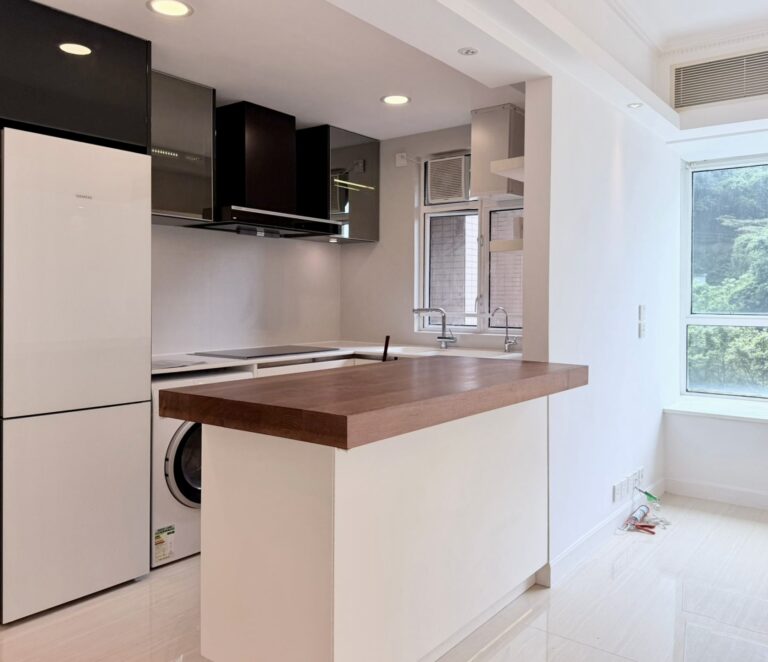
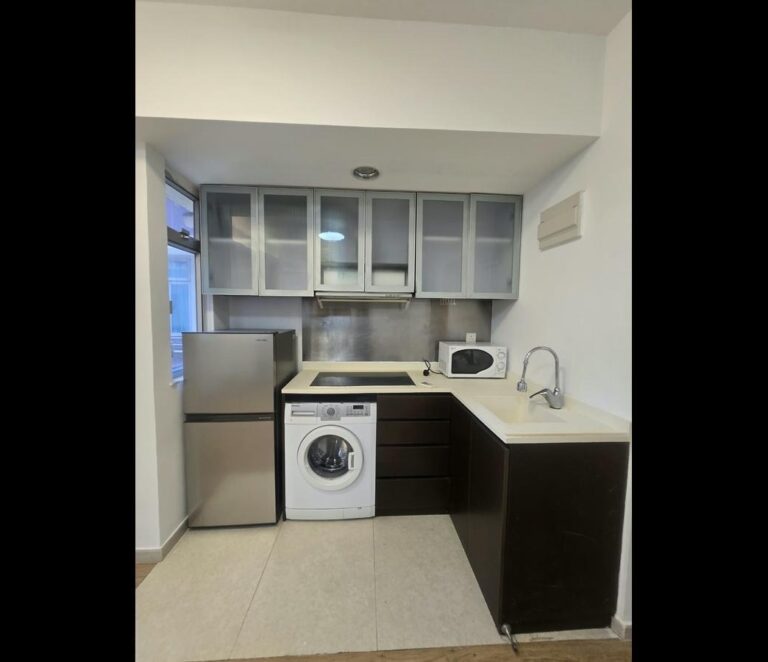
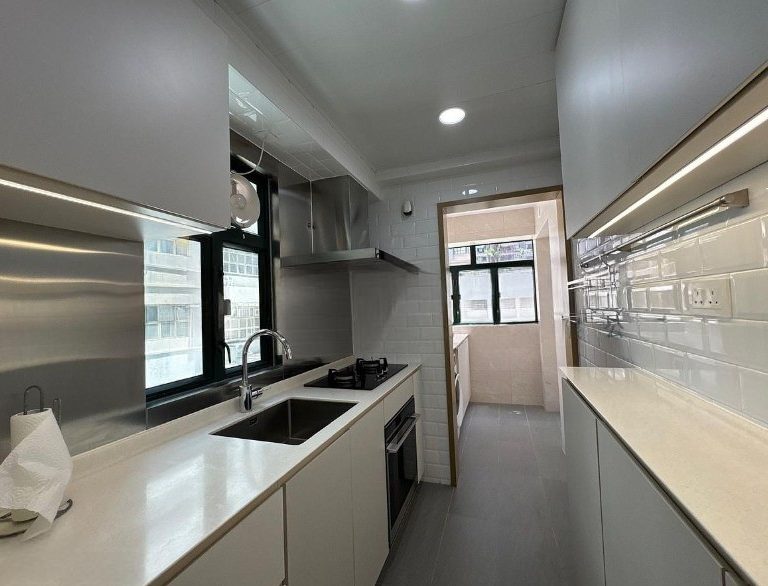
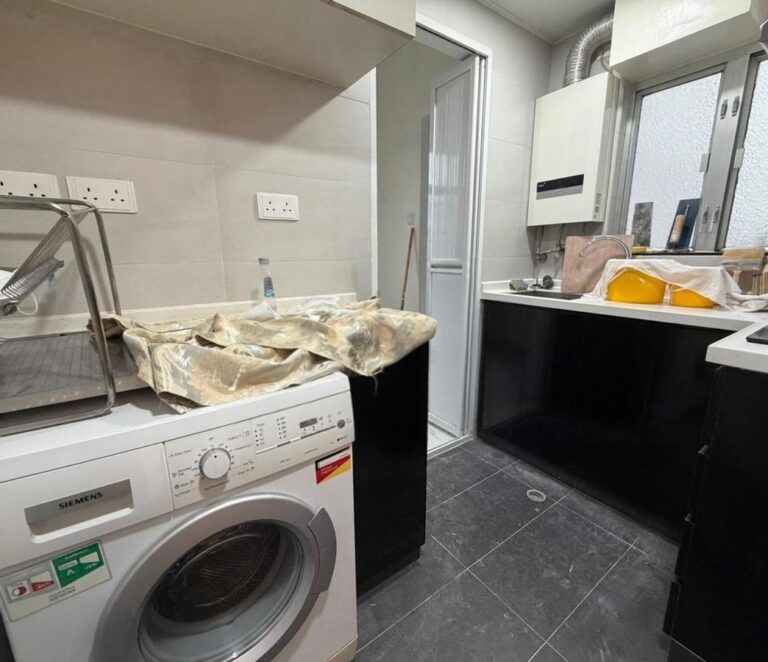
Then ask, When were the kitchen, bathrooms, plumbing, electrical systems, and air-conditioning units last updated or serviced? In an apartment, a stylish renovation can conceal aging pipes, worn fixtures, or air-conditioning units nearing replacement. Turn on faucets where appropriate, check water pressure, open cabinets below sinks, and look around ceilings, windows, and exterior walls for signs of moisture, staining, or repairs.
For rental homes, ask who will be responsible for servicing appliances and air-conditioning during the lease. For a purchase, ask whether warranties, receipts, or service records are available. The answer may affect both your budget and your willingness to proceed at the asking price.
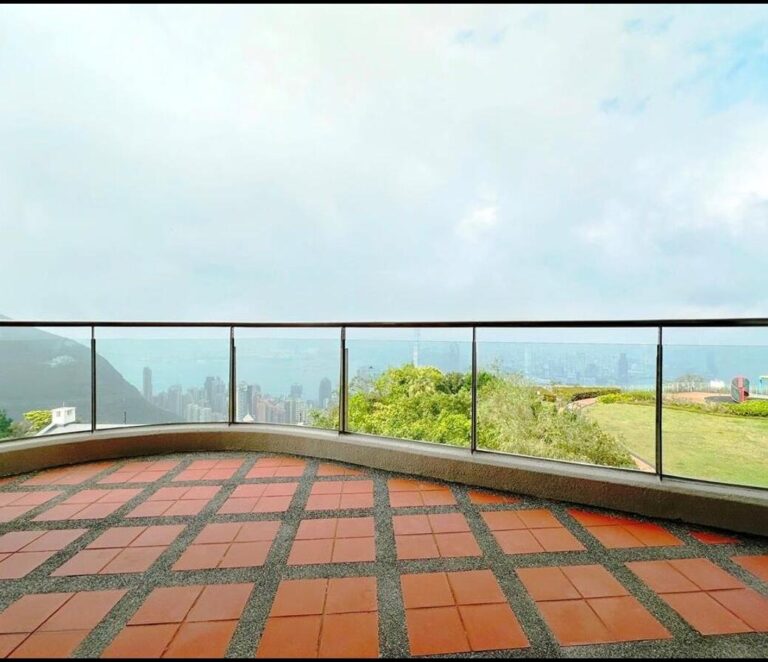
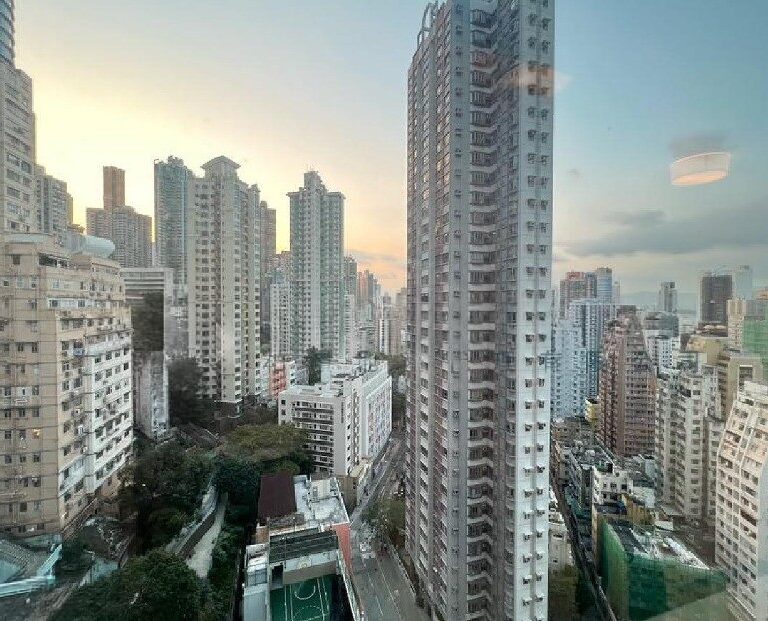
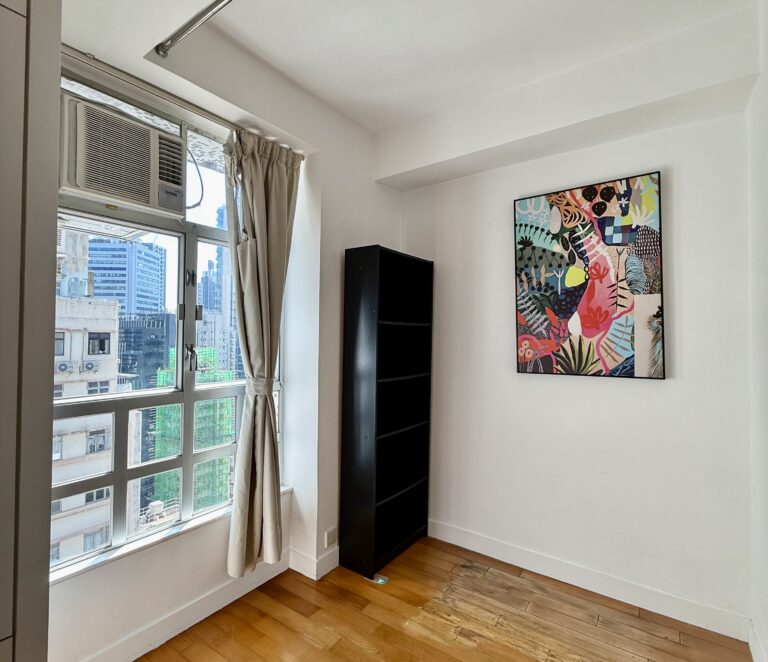
Natural light and ventilation deserve practical questions too. Ask, Which direction does the apartment face, and how does the sunlight change during the day? A bright west-facing living room may be appealing at a morning viewing but warmer in the late afternoon. Ask whether nearby construction, future redevelopment, or a new building could affect the outlook, privacy, or light.
Understand the full monthly and one-time costs
The advertised rent or purchase price is only one part of the commitment. Ask, What are the current management fees, government rates, government rent where applicable, and utility costs? For rentals, clarify which payments are covered by the landlord and which are the tenant’s responsibility. For purchases, request the latest available information on regular outgoings and ask whether any exceptional charges are anticipated.
A useful question for buyers is: Has the owners’ corporation approved, discussed, or proposed any major repair work? Exterior renovation, lift upgrades, plumbing works, or other capital projects can affect both cost and convenience. Ask to review relevant building information through the proper channels before committing.
If you are renting, ask about the deposit, the length of the proposed lease, notice periods, renewal terms, and any break clause. A lower rent is not always the better value if the lease is inflexible or if essential maintenance obligations are unclear. If you are buying, discuss the proposed completion date and whether the owner needs flexibility to move out.
Look beyond the view to building operations
A well-run building can make a meaningful difference to everyday life and long-term value. Ask, How is the building managed, and are there onsite staff or security personnel? Follow up with questions about package handling, visitor access, lift maintenance, garbage collection, and the procedure for reporting repairs.
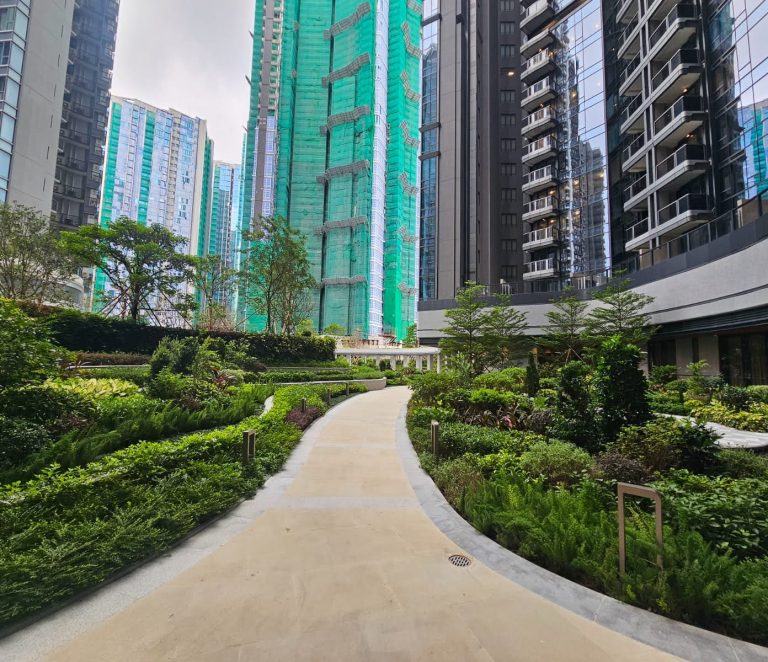
If the property is in a larger development, ask which facilities are included and whether booking fees or access rules apply. A pool, gym, shuttle service, or clubhouse can add genuine value, but only if you expect to use it. Families may also want to ask about playgrounds, common areas, and how busy these spaces are on weekends.
Noise is often difficult to judge during a brief appointment. Ask, What is the sound level like during rush hour, evenings, weekends, and public holidays? Nearby roads, schools, construction sites, restaurants, or renovation work can change the experience significantly. Where possible, revisit at a different time of day before making an offer or signing a lease.
Clarify what comes with the property
Do not assume that everything visible during the viewing will remain. Ask, Which fixtures, furniture, appliances, and window coverings are included? This is especially relevant in furnished rentals, but it also matters for sales where built-in appliances, storage systems, or lighting may be part of the agreement.
For a rental, confirm the property will be professionally cleaned and handed over in the agreed condition. For a purchase, ask whether there are any items the seller intends to remove. The final agreement should reflect important points clearly, rather than relying on a verbal understanding at the viewing.
Ask questions about the neighborhood you will use every day
A property can be beautifully presented and still be a poor fit for your routine. Ask how long the walk is to MTR stations, bus stops, supermarkets, clinics, parks, and other places you will regularly use. Walking time on a map can feel very different when the route includes steep roads, narrow sidewalks, or heavy rain.
For homes on Hong Kong Island, local knowledge can be particularly valuable. Central and Western may suit residents who want proximity to work, dining, and transport, while Eastern and Southern districts can offer different balances of space, greenery, schools, and commute time. The right choice depends on your daily pattern, not only the district’s reputation.
Parents should ask about school transport options, traffic at drop-off times, and the practical journey home after extracurricular activities. Pet owners should confirm building rules and nearby outdoor options. If you work from home, test mobile reception and ask about broadband availability rather than assuming a modern-looking building has the service you need.
Turn answers into a better decision
After the viewing, write down what you learned while the details are fresh. Separate facts from impressions. Facts include management fees, orientation, lease terms, appliance condition, and planned works. Impressions include how the home felt, whether the layout supports your routine, and whether the neighborhood matches the life you want to lead.
If a question remains unanswered, ask for it to be resolved before moving forward. For renters, this may mean confirming repair responsibilities or included appliances. For buyers, it may mean reviewing relevant building records, understanding transaction terms, and arranging another viewing. A property does not need to be perfect, but any compromises should be visible, understood, and fairly reflected in the price or rent.
The strongest viewing is not the one where you ask the most questions. It is the one where you leave knowing exactly what you are choosing, what it will cost, and what support you will need after you move in.