
Best Hong Kong Family Apartments for Everyday Life
A family apartment can look excellent in a listing and still make weekday life unnecessarily difficult. A beautiful view does not solve a long school commute, and a large clubhouse matters less if the bedrooms cannot accommodate growing children. The best Hong Kong family apartments are the ones that work at 7:30 a.m., on rainy afternoons, and when relatives come to stay – not only during a carefully timed viewing.
For families considering a move on Hong Kong Island, the right decision usually comes down to a clear order of priorities: usable space, daily travel, building quality, neighborhood convenience, and financial comfort. Each family weighs these differently, but considering them together prevents a home search from becoming focused on square footage alone.
Start With How Your Family Actually Lives
Before comparing districts or buildings, define the non-negotiables for the next three to five years. Think beyond the number of bedrooms. Does a child need a dedicated study area? Will a helper require a separate room? Do both parents work from home on some days? Is regular storage needed for sports equipment, strollers, suitcases, or seasonal items?
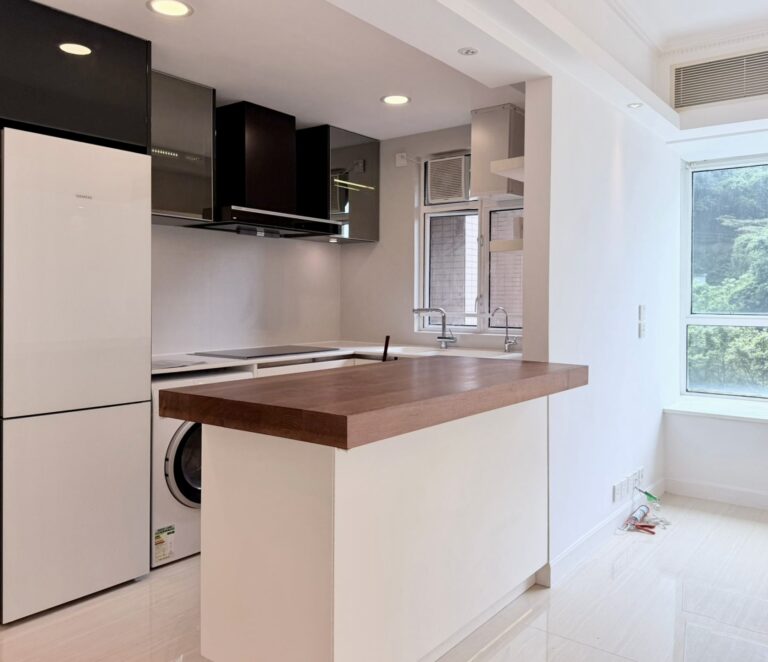
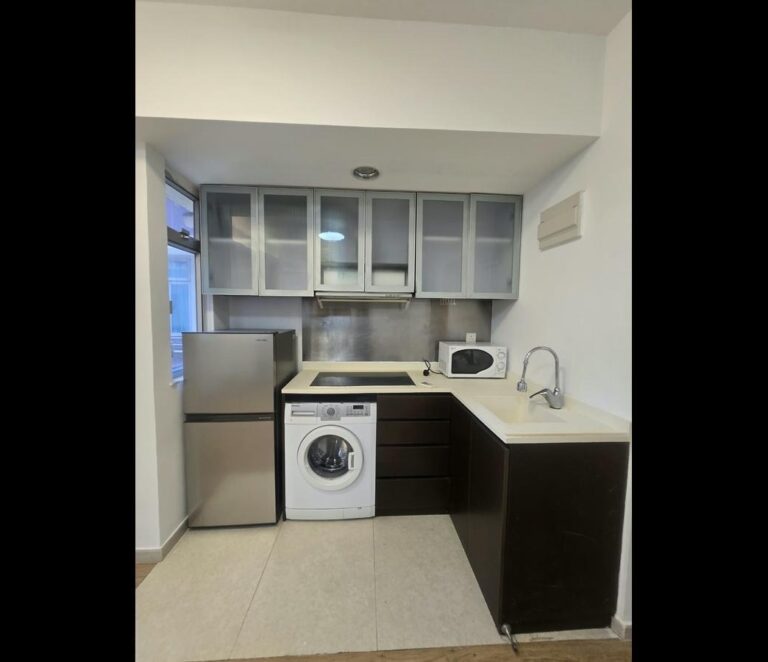
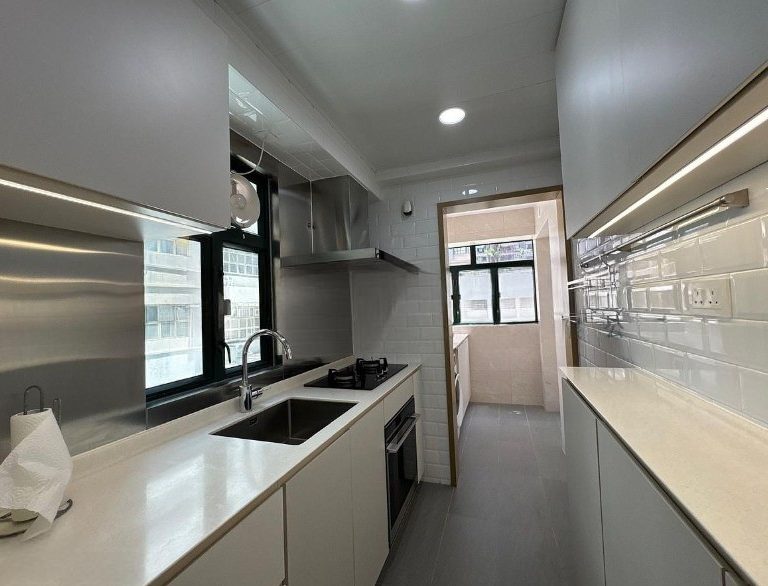
In Hong Kong, saleable area and layout are especially important. Two apartments with similar stated sizes can feel very different. A long hallway, an oversized living room, or angled rooms can reduce how much furniture fits comfortably. During a viewing, picture where beds, desks, wardrobes, and a dining table will go. Measure key pieces if necessary rather than assuming they will fit.
Families should also consider privacy as children get older. A three-bedroom apartment with a practical bedroom corridor may suit a family far better than a larger home with bedrooms opening directly onto the living area. For some households, a flexible utility room or study is more valuable than a formal dining room.
Best Hong Kong Family Apartments Are About Location Too
There is no single best district for every family. The better question is which location supports your regular routines without making your home budget uncomfortably tight. School location, office travel, access to grandparents, and preferred weekend activities all deserve a place in the discussion.
Central and Western Districts
Central and Western Districts appeal to families who value proximity to business areas, established amenities, and a broad choice of restaurants and services. Mid-Levels can offer larger homes, quieter residential pockets, and access to green space, although traffic patterns and hill-side routes should be tested at the times you would actually travel.
Sai Ying Pun, Kennedy Town, and the western side of the district may appeal to families seeking a neighborhood feel with convenient MTR access. Apartment sizes and building ages vary widely, so it is worth comparing newer developments with older buildings that may offer more generous layouts. The trade-off can be building facilities, renovation requirements, or maintenance costs.
Eastern and Southern Districts
The Eastern District can make sense for families looking for practical daily convenience, strong transport links, and a range of residential building types. Quarry Bay and Taikoo Shing are often considered by professionals who want established retail, dining, and transit close at hand. A family should still check noise levels, unit orientation, and the walk from the station, particularly with young children.
Southern District offers a different pace. Repulse Bay, Deep Water Bay, and areas around Stanley are attractive to buyers and renters who prioritize space, greenery, and outdoor access. The lifestyle can be exceptional, but travel time to schools and offices needs realistic testing. A quieter location may be worth it, provided the family is comfortable with the commute and transportation arrangements.
Look Beyond the Apartment Door
A well-managed building can make family life easier in ways that are not always visible in photographs. Security, lobby staffing, elevator reliability, common-area upkeep, and management responsiveness all affect the day-to-day experience. For families with younger children, ask about stroller access, step-free routes, pickup arrangements, and where deliveries are handled.
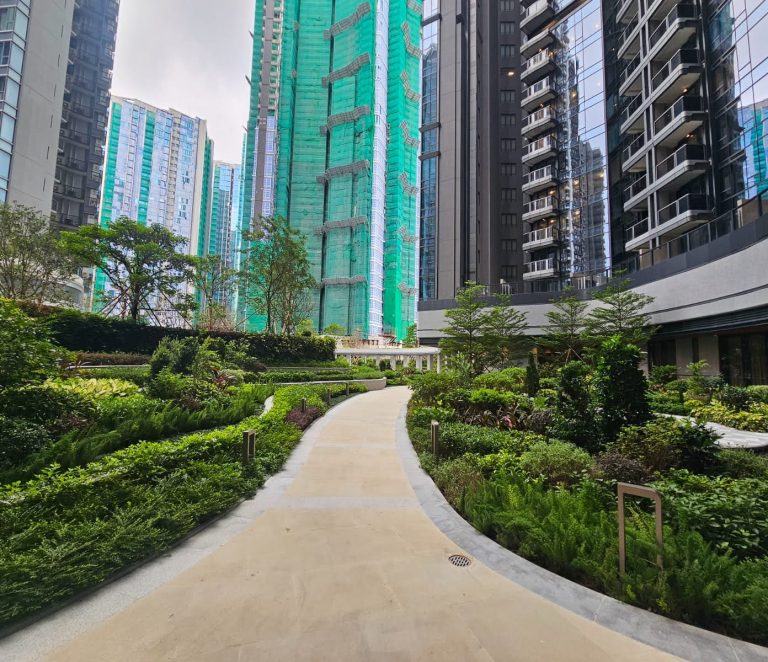
Facilities should be assessed honestly. A pool, playroom, gym, or outdoor space can add real value, especially during weekends and school breaks. However, facilities also affect monthly management fees and may be busy at peak times. Visit when residents are likely to be using them, not only during a quiet weekday viewing.
Pay attention to the immediate surroundings as well. A nearby supermarket, clinic, pharmacy, playground, and convenient transportation can save considerable time each week. In a dense city, the difference between a five-minute and a 15-minute walk can change how often a family uses a service.
Questions to Ask During a Family Viewing
Viewing with a clear checklist keeps the conversation focused on practical details. Ask the agent or owner about these four areas:
- Building management, recent major works, and any known upcoming repairs or assessments.
- Unit condition, including window seals, air-conditioning maintenance, plumbing, water pressure, and signs of moisture.
- Noise at different times of day, including traffic, construction, nearby schools, and common-area activity.
- Lease or ownership costs beyond the headline figure, such as rates, government rent where applicable, management fees, utilities, and renovation responsibilities.
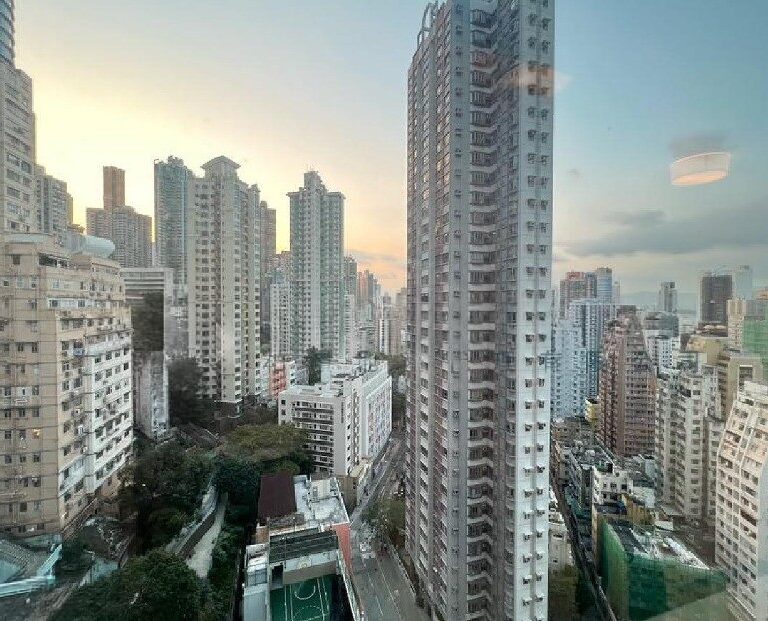
Natural light is another consideration, but it is not simply a matter of choosing the brightest apartment. Strong afternoon sun can make a home hot and raise cooling costs, while a shaded unit may feel darker but more comfortable. Window orientation, surrounding towers, and curtain or blind options all influence the result.
If possible, take a second viewing. The first visit is often spent responding to the overall impression of a property. A return visit gives you time to check room dimensions, mobile reception, storage, and the route from the building to transportation. It also provides an opportunity for each family member to raise questions that may not have come up initially.
Renting Versus Buying for Your Next Stage
Renting gives families flexibility when school placements, job assignments, or neighborhood preferences are still evolving. It can be a sensible way to learn how a district feels before making a longer-term commitment. When negotiating a lease, clarify renewal options, break clauses, maintenance responsibilities, and whether the landlord will address agreed repairs before move-in.
Buying may be appropriate when the family has a longer time horizon and wants greater control over renovations, layout changes, and future planning. Yet purchase decisions should account for more than the price. Stamp duty, legal fees, financing, management charges, and potential renovation work should be considered as part of the full commitment.
For either path, do not stretch the budget so tightly that the apartment limits the life you hoped it would support. A slightly smaller or less central home with workable monthly costs, a sensible commute, and room to settle in can be the stronger family choice.
Make the Decision in the Right Order
The most efficient family search starts with a focused brief rather than a long list of listings. Set a comfortable budget range, preferred move date, minimum bedroom count, school or work travel limits, and the building features that truly matter. Then separate essentials from preferences. A balcony may be desirable; a safe, workable bedroom arrangement may be essential.
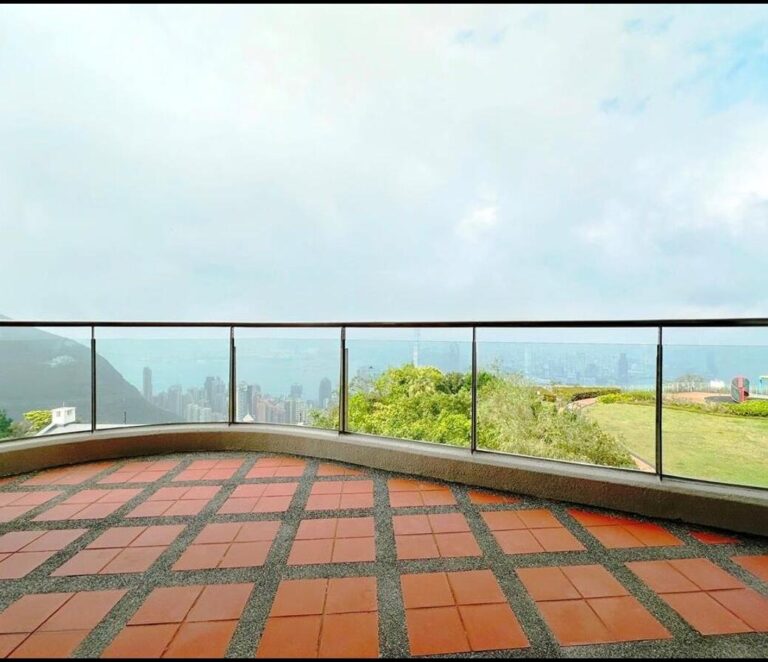
Once a shortlist is in place, compare homes against the same criteria. It is easy to be swayed by a striking renovation or a panoramic view. A simple written comparison often reveals which property best handles the details that will matter after the excitement of moving has passed.
Homewise Realty can help families narrow choices across Hong Kong Island with local guidance that considers both the property and the routines around it. The right apartment should give your family more than an address – it should give everyone a more manageable, comfortable place to grow.