
How to Price an Apartment Correctly in Hong Kong
A well-presented apartment can still sit unsold if its asking price misses the market. On Hong Kong Island, buyers often compare several homes in one afternoon, and they quickly recognize when a listing is priced for an owner’s expectations rather than current demand. If you are deciding how to price an apartment correctly, the goal is not simply to choose the highest possible number. It is to set a defensible price that brings the right buyers through the door and gives you a credible position when offers arrive.
The best price is rarely found by looking at one nearby listing or applying a fixed percentage to what you paid. It comes from a clear view of recent transactions, the apartment’s specific strengths, buyer financing, and the competition available right now.
How to price an apartment correctly using real comparables
Start with properties a serious buyer would genuinely consider instead of yours. For a typical apartment, that usually means homes in the same building or estate, with a similar saleable area, layout, age, and location. In a district with many distinctive buildings, such as Central, Mid-Levels, Sai Ying Pun, or the Southside, the comparison must be even tighter. A nearby property may share a postal area but appeal to an entirely different buyer profile.
Recent completed transactions deserve more weight than advertised prices. An asking price shows what an owner hopes to achieve. A completed sale shows what a buyer was prepared to pay after considering condition, mortgage approval, and alternatives. Review several relevant transactions rather than anchoring your decision to the highest reported result.
The time period matters. In an active market, sales from the last three months can provide a useful starting point. When transactions are limited, expand the review period carefully and account for market movement since those contracts were signed. A sale from six months ago may still be relevant for a rare unit, but it should not be treated as a current benchmark without adjustment.
Price per square foot is a helpful comparison tool, not the answer by itself. Two apartments with the same saleable area can command very different prices when one has an open harbor view, a higher floor, a more efficient layout, or a recently upgraded kitchen and bathrooms. Use the rate to identify a sensible range, then assess where your home belongs within that range.
Match the unit, not just the building
Buyers tend to focus on the features they will live with every day. Floor level, orientation, natural light, privacy, noise exposure, outlook, ceiling height, and usable room proportions all influence value. In older buildings, lift access, lobby condition, building management, planned major works, and parking availability can also affect demand.
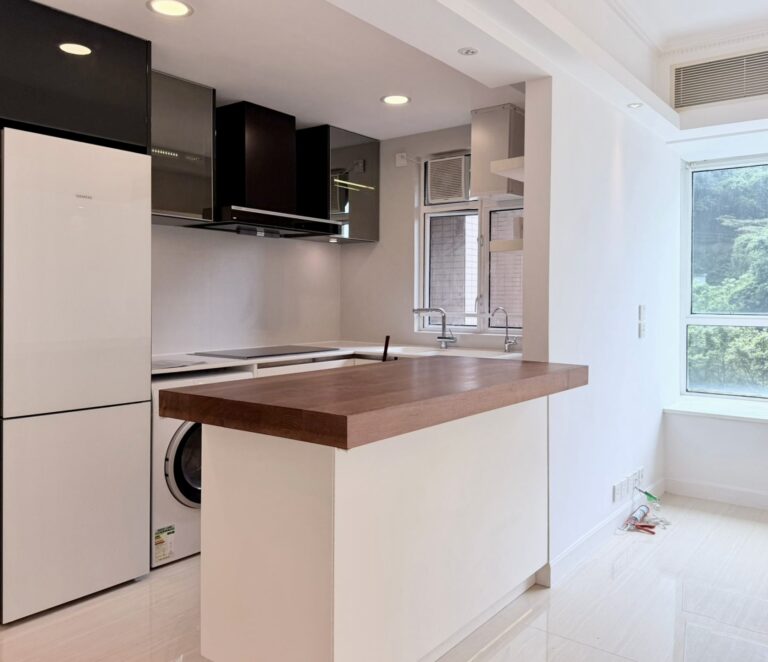
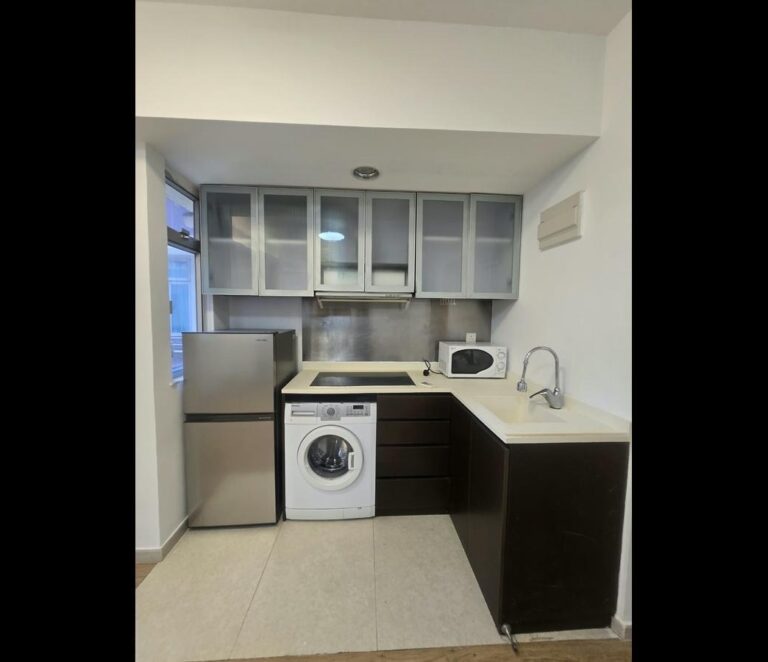
Condition needs an honest assessment. A high-quality renovation may justify a premium when it fits the likely buyer’s taste and reduces immediate work. A heavily personalized renovation may not. Likewise, an original-condition apartment can appeal to buyers who want to renovate, but it should not be priced like a fully updated unit unless another feature clearly compensates for the work required.
For leased properties, consider the tenancy in practical terms. A reliable tenant and attractive rent may appeal to an investor. An owner-occupier, however, may value vacant possession more highly. The right pricing approach depends on which buyer is most likely to purchase the apartment.
Separate market value from your financial goal
It is reasonable to think about your remaining mortgage, taxes, legal costs, agency fees, and next purchase. Those figures matter when deciding whether and when to sell. They do not, however, establish the apartment’s market value.
A common pricing mistake is adding a desired profit to the original purchase cost and presenting the result as an asking price. Buyers do not see your costs. They see available alternatives, recent sales, and the monthly payment their lender will support. If your required net proceeds are above the market-supported range, you may need to reconsider timing, prepare the property to improve its appeal, or accept that a longer marketing period is likely.
Mortgage valuation is another useful reality check. When a buyer needs financing, a significant gap between the agreed price and the lender’s valuation can put the transaction under pressure. This does not mean every apartment must be priced at the most conservative valuation. It does mean a premium needs clear evidence, especially when the buyer pool depends on financing.
Set an asking price with a launch strategy
Your asking price should be part of a marketing plan, not a number left unchanged for months. The first one to two weeks of a new listing often produce the strongest attention because active buyers and their agents notice fresh inventory. If the price is credible, that period can generate viewings, useful feedback, and potentially competing interest.
Search behavior should also shape the number. Buyers frequently set price filters in round bands. A listing just above a common threshold may be excluded from searches where it would otherwise be a strong match. Conversely, pricing just below a threshold can increase visibility, but only if it still supports your target outcome. The decision should reflect the apartment’s likely buyer pool, not a generic rule about ending prices.
Pricing slightly below the expected market range can be effective when demand is strong, comparable supply is limited, and the property is easy to understand. It can encourage multiple buyers to act. It also carries risk if interest is thinner than expected or the seller needs certainty at a particular level. For a distinctive luxury apartment with a smaller audience, a measured price supported by a detailed value case may be more appropriate than an aggressive launch tactic.
Avoid leaving too much room for negotiation simply because buyers may negotiate. An inflated starting price can reduce viewings from the very people most able to buy. Once a listing becomes stale, buyers often assume there is an undisclosed problem or expect a deeper discount. A realistic price gives you a stronger negotiating position than a number that requires repeated reductions.
Use buyer feedback to refine the price
Feedback only helps when it is specific and consistent. One viewer who dislikes the layout is not a reason to change direction. But if several qualified viewers say the apartment feels expensive compared with a named alternative, that is market intelligence worth examining.
Look at the full pattern: online inquiries, viewing requests, attendance at viewings, second-viewing interest, and offers. Strong inquiry but weak viewing conversion can suggest that the photographs or description create expectations the apartment does not meet. Good viewing traffic with no follow-up often points to price, condition, or direct competition. Little activity across the board may mean the listing is not reaching the right buyers or is priced outside their consideration range.
Before reducing the price, revisit the comparable evidence and inspect competing listings again. Has a similar unit entered the market? Has a nearby seller adjusted their price? Are buyers responding differently to furnished, renovated, or vacant homes? A price revision should be deliberate and meaningful enough to attract renewed attention, rather than a series of small changes that signal uncertainty.
If you are pricing an apartment for rent
Rental pricing follows the same principle of relevant comparables, but the timing is faster and vacancy has a direct cost. Compare achieved rents for similar units, then consider lease term, furnishing level, included appliances, availability date, and whether the home suits an individual professional, a couple, or a family.
A landlord should calculate the cost of an empty month before holding out for a higher rent. A modest reduction that secures a reliable tenant sooner can produce a better annual result than a headline rent that leaves the property vacant. At the same time, pricing too low can attract a high volume of unsuitable inquiries and make it harder to identify the tenant who will care for the home.
Bring local judgment to the final number
Data gives you a range. Local judgment determines where within that range to position the apartment. An experienced agent should be able to explain the recommendation in plain terms: which completed sales support it, which live listings compete with it, what premium or discount the apartment deserves, and what buyer response to expect.
Homewise Realty approaches pricing as the first stage of representation, not a quick estimate. The right advice should account for your timing, the home’s condition, the district’s active stock, and the practical steps needed to turn interest into a completed transaction.
A price is most effective when it invites serious buyers to see the value for themselves. Put the apartment in the range where that conversation can begin, then let preparation, presentation, and informed negotiation do the rest.