
The Best Upgrades Before Listing Your Home
A buyer may spend only a few minutes deciding whether a home feels worth viewing, but the details they notice can shape the entire negotiation. When owners ask about the best upgrades before listing home, the answer is rarely a full renovation. The strongest results usually come from making the property feel well maintained, bright, practical, and easy to move into.
That distinction matters in Hong Kong’s high-value residential market. Buyers and tenants often compare several homes in one day, and they are quick to spot deferred maintenance, poor lighting, dated finishes, or awkward presentation. A targeted pre-listing plan can protect your asking position without tying up unnecessary time and capital in upgrades that may not suit the next owner.
Start With the Best Upgrades Before Listing Home
Before selecting tiles, appliances, or paint colors, look at the property through a buyer’s eyes. What would make someone hesitate? A sticking door, water staining near a window, a weak air-conditioning unit, or an overcrowded living room can create the impression that larger problems are waiting beneath the surface.
Begin with a walk-through that separates essential repairs from cosmetic improvements. Essential repairs remove doubt. Cosmetic work improves the first impression. If the budget is limited, repairs should come first every time. A beautifully painted room will not overcome a visible leak or a malfunctioning fixture.
It also helps to consider the likely buyer. A family looking for a Southern District home may value usable storage, safe balcony features, and a well-kept kitchen. A professional purchasing a Central or Mid-Levels apartment may respond more strongly to clean modern finishes, efficient climate control, and a home that feels ready for immediate occupancy. The right improvement is the one that reduces friction for your most likely audience.
Fix the Small Problems That Suggest Bigger Ones
Minor defects are among the most cost-effective items to address because they influence trust. Buyers understand that no home is perfect, especially in established buildings. What concerns them is a pattern of neglected details.
Repair dripping faucets, loose cabinet handles, cracked switch plates, damaged silicone sealant, and doors that do not close smoothly. Replace burnt-out bulbs and make sure every light switch, exhaust fan, outlet, and appliance included in the sale functions properly. If there are signs of moisture, condensation damage, or mold, investigate the cause rather than simply covering the surface.
Air-conditioning deserves particular attention in Hong Kong. Clean filters, service units where needed, and resolve unusual noises or drainage issues before photography and viewings begin. Buyers may not expect brand-new equipment, but they will notice whether the home has been responsibly maintained.
Windows, balcony doors, and locks should also operate easily. These are practical details, yet they affect a visitor’s sense of security, comfort, and build quality. Keeping records of recent servicing can be useful when serious buyers ask about maintenance.
Use Paint and Lighting to Create a Cleaner First Impression
Fresh paint remains one of the most reliable pre-listing investments, provided it is done carefully. Scuffed walls, patchy touch-ups, and yellowed ceilings can make a property feel older than it is. A clean coat in a warm neutral tone makes rooms appear brighter and gives buyers a simpler canvas for imagining their own furniture.
Avoid highly personal colors or dramatic feature walls unless they are part of a genuinely cohesive, high-end interior. Neutral does not have to mean sterile. Soft off-white, pale greige, or light warm gray can work well, depending on the natural light and flooring.
Lighting is equally important. Replace mismatched or harsh bulbs with consistent, warm-white lighting that suits the room. Dark corners make even generous rooms feel smaller. In a dining area or entryway, a dated fixture can be worth replacing if it is visibly worn or distracts from the space. However, there is little benefit in installing expensive designer lighting solely for a sale unless it matches the level and positioning of the property.
Open curtains and blinds for viewings, clean the glass thoroughly, and make sure window coverings work. Natural light, an open outlook, and a well-presented view are assets that should never be hidden by dusty blinds or heavy clutter.
Refresh Kitchens and Bathrooms Without Overbuilding
Kitchens and bathrooms carry outsized weight because they are expensive and disruptive to renovate after purchase. Still, a full replacement is not always the best financial choice. If the layout works and the cabinetry is structurally sound, a focused refresh can deliver a much better return.
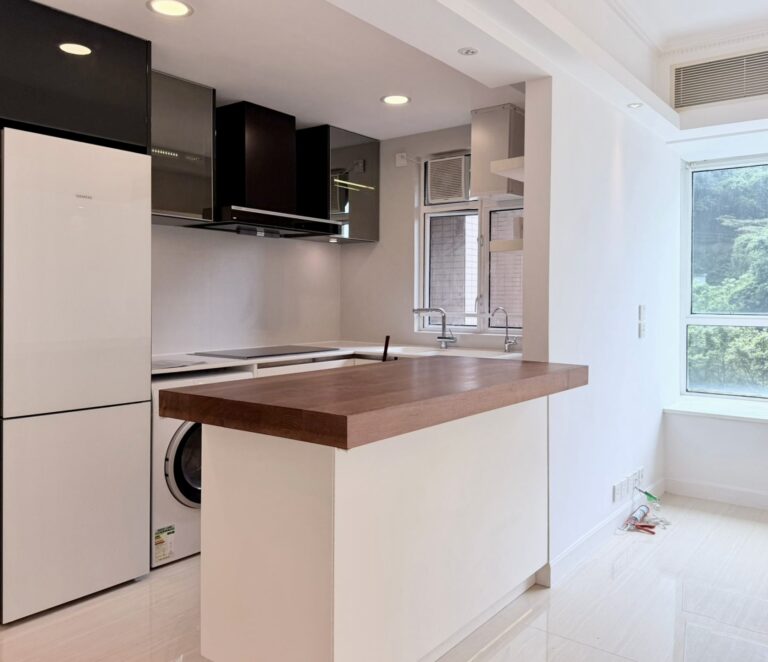
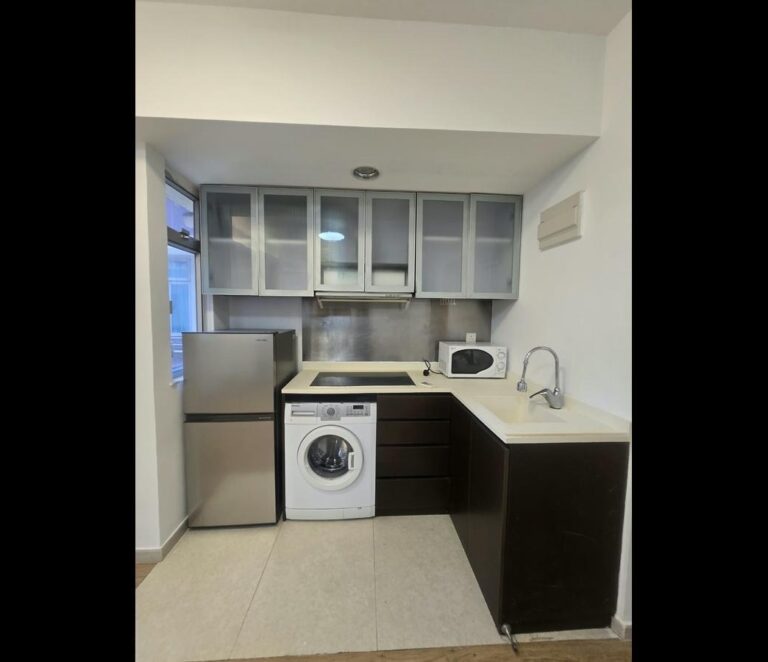
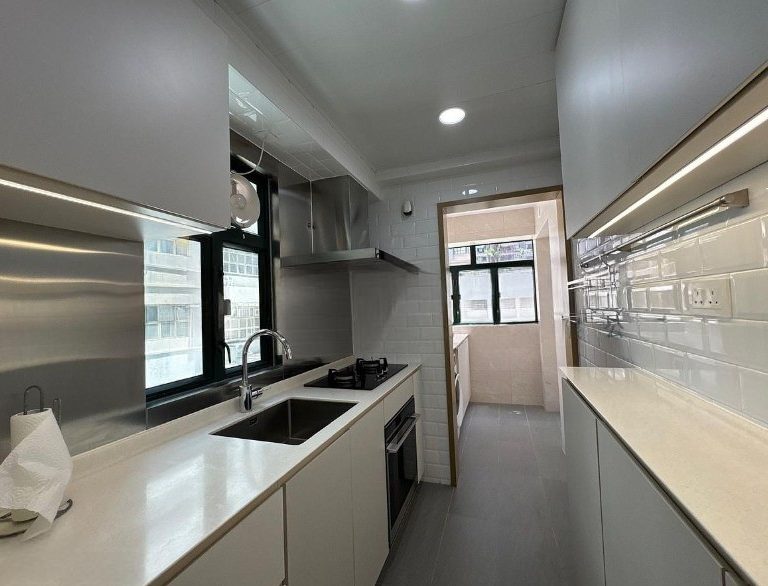
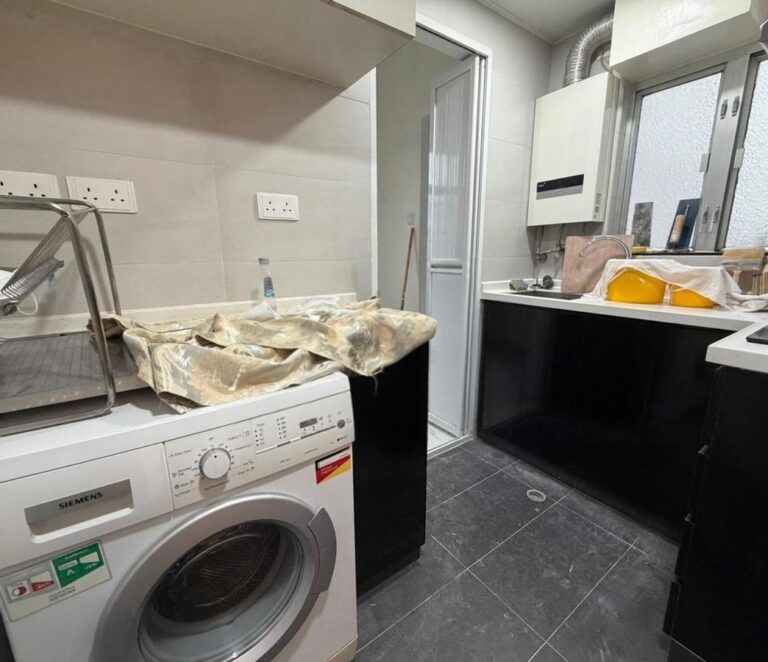
In the kitchen, consider replacing worn handles, repairing chipped cabinet fronts, renewing stained grout, and updating a damaged countertop or sink mixer. Clean appliances inside and out. If appliances are old but functional, replacement depends on the property tier and expected buyer. In a luxury residence, visibly dated appliances may weaken the overall presentation. In a home likely to be renovated by its next owner, expensive replacements may not be recovered.
Bathrooms benefit from deep cleaning, fresh sealant, repaired grout, and polished fixtures. Replace a cracked mirror, rusted accessories, or a visibly tired toilet seat. Improve ventilation where possible and address any drainage odor immediately. A bathroom does not need to look newly designed to feel appealing. It needs to look clean, dry, functional, and cared for.
Be cautious with highly specific finishes. Trend-driven tiles, bold cabinetry, and elaborate built-ins can narrow the buyer pool. When preparing for a listing, broad appeal usually carries more value than a design statement.
Make Every Square Foot Feel Useful
Space is a major consideration in urban homes, and clutter can make a practical floor plan feel constrained. Removing excess furniture is often more effective than buying new furniture. Create clear pathways, reveal the size of rooms, and let buyers see how they could use each area.
Built-in storage can be valuable when it is well designed and in good condition. If existing wardrobes have broken tracks, loose shelves, or outdated interiors, repairs and simple organization can improve their impact. Do not add major custom storage just before listing unless there is a clear gap in a home aimed at families or long-term residents.
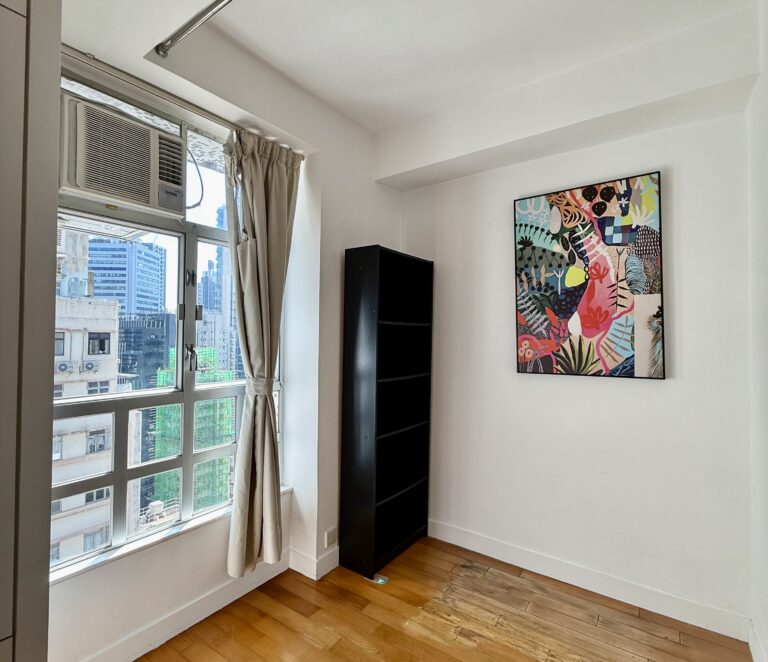
Floors deserve a close inspection as well. Repair loose boards, replace badly damaged tiles, and professionally clean carpets. If timber floors are dull but otherwise sound, refinishing may create a meaningful improvement. If the floor has only light wear, a thorough clean and careful staging may be enough.
Spend According to the Property, Not the Project
The most common pre-listing mistake is spending based on personal taste rather than local market expectations. A premium renovation may be appropriate for a high-end property competing on finish and lifestyle. It may be less sensible for a home where buyers are primarily focused on location, layout, building amenities, or redevelopment potential.
Set a budget that accounts for the likely sale price, competing listings, and the condition of comparable homes. Then prioritize work that is visible, functional, and broadly appealing. A sensible sequence is to resolve repairs, clean professionally, paint where necessary, improve lighting, refresh high-use areas, and stage the property for photography and viewings.
A local agent’s input is especially useful before committing to larger work. Market knowledge can help distinguish between an upgrade that supports your asking price and one that simply becomes an expensive personal preference. Homewise Realty Ltd can help owners assess how their home is likely to be compared with active listings in the relevant district and what buyers are responding to now.
Prepare for Photography, Viewings, and Due Diligence
An upgrade only works if buyers can see it. Schedule professional cleaning after repairs are complete, then remove personal items, countertop clutter, and oversized furniture before photography. Keep surfaces simple but lived-in enough to feel welcoming. Fresh towels, orderly shelves, and a dining table set with restraint can help visitors understand the home’s potential without making it feel staged beyond reality.
Have building information, maintenance records, and any relevant renovation documentation organized before serious inquiries arrive. Buyers gain confidence when answers are clear and readily available. That confidence can matter as much as a new fixture or a fresh coat of paint.
The goal is not to make your home look like someone else’s. It is to present its condition, light, layout, and lifestyle advantages with no avoidable distractions. Make the thoughtful improvements first, then let the right buyer see the value that was already there.