What Is Property Maintenance Services?
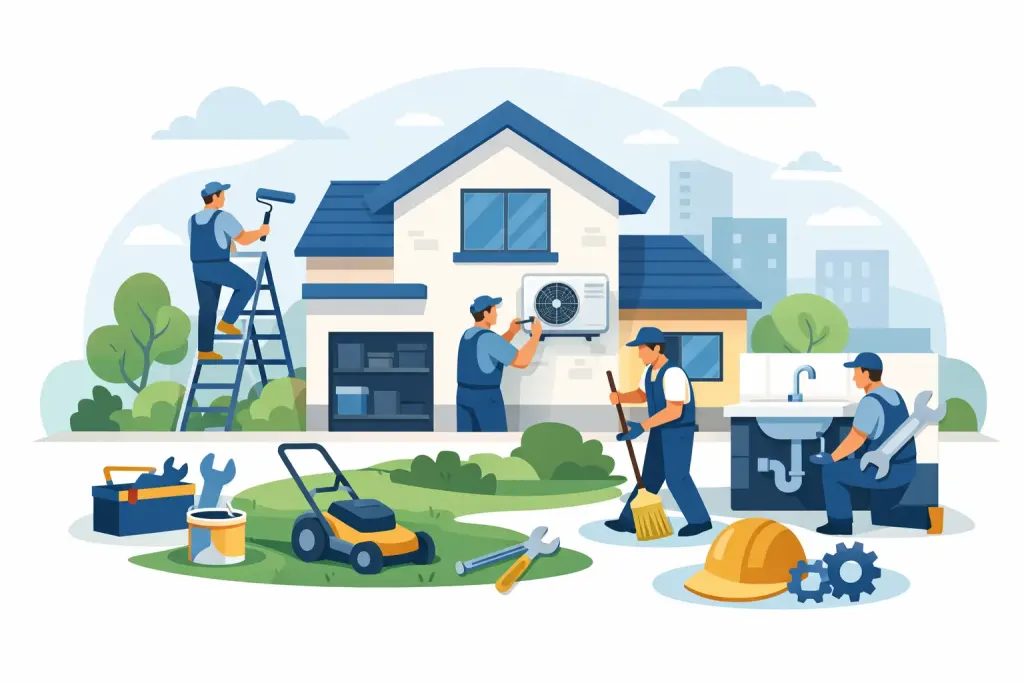
A leaking air conditioner the night before a tenant move-in is when the question becomes very real: what is property maintenance services, and who is responsible for handling it well? For owners, it is not just about fixing things when they break. It is the ongoing work that keeps a home safe, functional, presentable, and financially sound.
In practical terms, property maintenance services refer to the inspection, repair, upkeep, and coordination needed to keep a residential property in good condition. That can include routine servicing, emergency repairs, common wear-and-tear issues, vendor management, cleaning coordination, and preventive work designed to avoid larger problems later. For landlords and investors, good maintenance protects rental income and asset value. For tenants, it supports comfort and confidence in the home.
What is property maintenance services in real terms?
The phrase can sound broader than it needs to be. At its core, property maintenance services are the day-to-day and long-term actions required to keep a property operating properly.
That usually includes visible items, such as repainting walls, repairing doors, replacing damaged fixtures, or resolving plumbing and electrical issues. It also includes less visible but equally important tasks, such as checking drainage, servicing air conditioning units, monitoring moisture problems, and arranging qualified contractors when specialist work is needed.
For a managed residential apartment, maintenance often sits between pure administration and full asset management. It is not the same as marketing a listing, negotiating a lease, or handling a sale, although all of those services may sit under one agency relationship. Maintenance is specifically about the condition and performance of the property itself.
Why property maintenance matters more than many owners expect
A well-located home can still lose appeal quickly if maintenance slips. Small issues have a way of becoming larger, more expensive ones. A minor water stain can turn into ceiling damage. A noisy air conditioner can become a full replacement. A loose cabinet hinge can signal a more general decline in how a property is being cared for.
There is also a market side to it. In competitive urban rental markets, tenants notice condition immediately. They compare not only size and location, but also how well the apartment has been looked after. Clean finishes, functioning appliances, and prompt repairs support stronger tenant retention and fewer disputes.
For owners, there is a balance to strike. Not every issue requires an expensive upgrade, and not every aging item should be replaced immediately. Good property maintenance is rarely about overspending. It is about timely decisions, sensible prioritization, and clear accountability.
What services are usually included
The exact scope depends on the property, the lease arrangement, and whether the owner wants a light-touch service or a more hands-on management approach. Still, most property maintenance services fall into a few practical categories.
Routine maintenance
This covers the predictable upkeep needed to keep a property in working order. It may include servicing air conditioners, inspecting plumbing fixtures, checking electrical fittings, regrouting wet areas, touching up paint, and replacing worn seals, bulbs, or hardware.
Routine maintenance is often the least dramatic part of the job, but it is one of the most valuable. Regular attention extends the life of finishes and equipment and helps avoid vacancies caused by preventable issues.
Reactive repairs
This is the work most people think of first. Something stops working, and someone needs to fix it. A water heater fails, a lock jams, an appliance malfunctions, or a leak appears after heavy rain.
Reactive work needs speed, but it also needs judgment. The cheapest repair is not always the right one, especially if it leads to repeated callouts. On the other hand, replacing every damaged item with the highest-end option can quickly erode returns. The right solution depends on the age of the property, tenant expectations, and the owner’s investment strategy.
Preventive maintenance
Preventive work is where experienced oversight makes a real difference. Instead of waiting for failure, the property is checked and serviced before problems become urgent.
This can include planned inspections, drainage checks, resealing areas exposed to moisture, servicing appliances before peak seasons, and watching for early signs of wear after tenant turnover. Preventive maintenance is rarely glamorous, but it is often what separates stable ownership from constant disruption.
Turnover preparation
When one tenancy ends and another begins, maintenance becomes closely tied to leasing performance. The property may need cleaning, touch-up repairs, minor replacements, repainting, and a review of anything the incoming tenant will notice during viewings.
This stage matters because presentation affects both rental value and time on market. A home that is structurally fine but visually tired can still underperform.
Who needs property maintenance services?
Almost any owner can benefit, but the level of need varies.
A local owner with time, reliable contractor contacts, and only one apartment may choose to coordinate maintenance personally. That can work well if the property is nearby and the owner is comfortable handling tenant communication, quotes, scheduling, and follow-up.
But many owners do not have that bandwidth. Investors with multiple units, expatriate landlords, busy professionals, and families holding a second property often prefer a more managed arrangement. In those cases, property maintenance services reduce delays, protect tenant relationships, and create a single point of responsibility.
Tenants benefit too, even though they may not be the party paying for the service. A responsive maintenance process gives them clarity on who to contact, what happens next, and how quickly issues will be addressed.
The difference between maintenance and property management
These terms are often grouped together, but they are not identical.
Property management is the broader service. It can include rent collection, lease administration, tenant communication, move-in and move-out coordination, inspections, compliance support, and reporting to the owner. Maintenance is one part of that wider role.
Property maintenance services focus specifically on the physical condition of the home. If a tenant reports a plumbing issue, maintenance covers diagnosing the issue, arranging repair, confirming completion, and making sure the property is back in proper condition. If the owner also needs help managing the lease, handling notices, or overseeing occupancy, that moves into property management.
For many landlords, the most useful arrangement combines both. That way, the person coordinating the tenancy also understands the property’s condition history and can make informed recommendations.
What good property maintenance services look like
The service itself matters, but so does how it is delivered. Good maintenance is organized, documented, and responsive.
That means issues are acknowledged quickly. Contractors are qualified and appropriate for the job. Repair options are explained clearly when there is a choice between a short-term fix and a more durable solution. Owners are not left guessing about cost, urgency, or status.
It also means follow-through. A common frustration in residential property is not the problem itself, but the need to chase updates, revisit incomplete jobs, or deal with repeat failures. Reliable maintenance service reduces that friction.
In higher-value homes, expectations are usually higher as well. Finishes may require more careful handling, access may need to be coordinated discreetly, and tenants may expect a faster standard of response. Service quality becomes part of the property’s overall positioning.
How owners should evaluate the cost
Maintenance is an expense, but poor maintenance is often more expensive.
The right question is not simply, “How much does this repair cost?” It is, “What does delay, vacancy, tenant dissatisfaction, or further damage cost if this is not handled properly?”
That said, there are trade-offs. Some owners prefer lean operating costs and accept a more basic standard of finish between tenancies. Others see maintenance as part of preserving premium rental value. Neither approach is automatically wrong, but each should be intentional.
It also helps to distinguish between maintenance and capital improvement. Replacing a broken faucet is maintenance. Fully renovating a kitchen to reposition the property in the market is something else. Both may be sensible, but they serve different goals.
A practical way to think about what is property maintenance services
If you own or lease residential property, the simplest definition is this: property maintenance services keep the home ready to live in and ready to hold its value. They cover the repairs people notice immediately, the preventive work that avoids bigger problems, and the coordination required to keep standards consistent over time.
For owners in busy markets, that consistency is often what matters most. A property does not have to be perfect, but it does need to be cared for. When maintenance is handled well, tenants stay more comfortable, owners make better decisions, and the property remains easier to lease, protect, and enjoy.
If you are evaluating support for a home you rent out or plan to hold long term, start by looking at where problems usually arise: response time, contractor coordination, quality control, or simple lack of time. The right maintenance service should remove those pressure points, not add another layer of complexity.